






10/ 17/ 2026
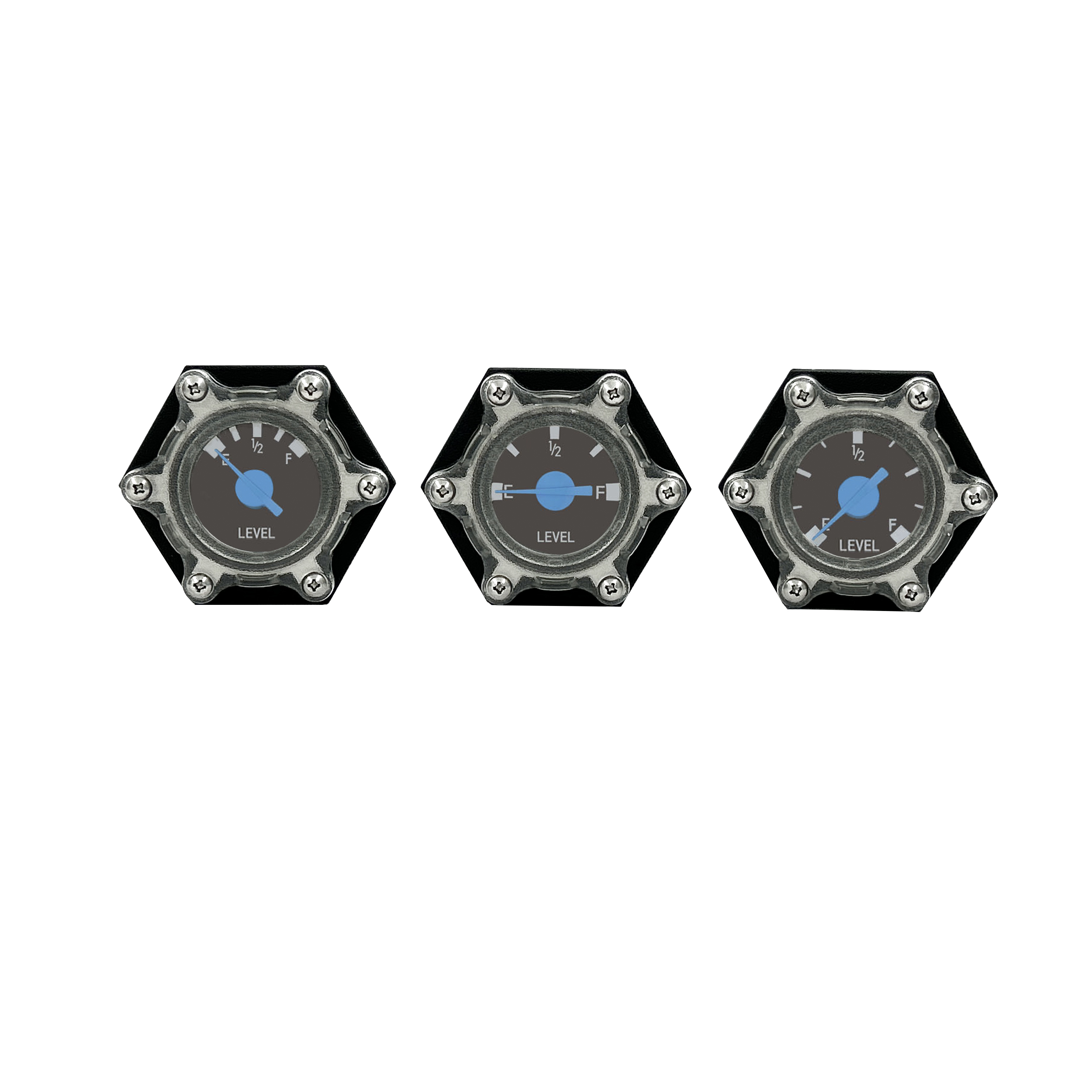
How to Match a Resistive Fuel Sender to a Gauge or Controller
Nothing ruins a perfect drive faster than a wildly inaccurate fuel gauge. You fill the tank, turn the key, and watch the needle stubbornly sit at zero. A mismatched fuel sender and gauge results in inaccurate readings, stranded vehicles, or continuous diagnostic headaches.
More >>
10/ 24/ 2026
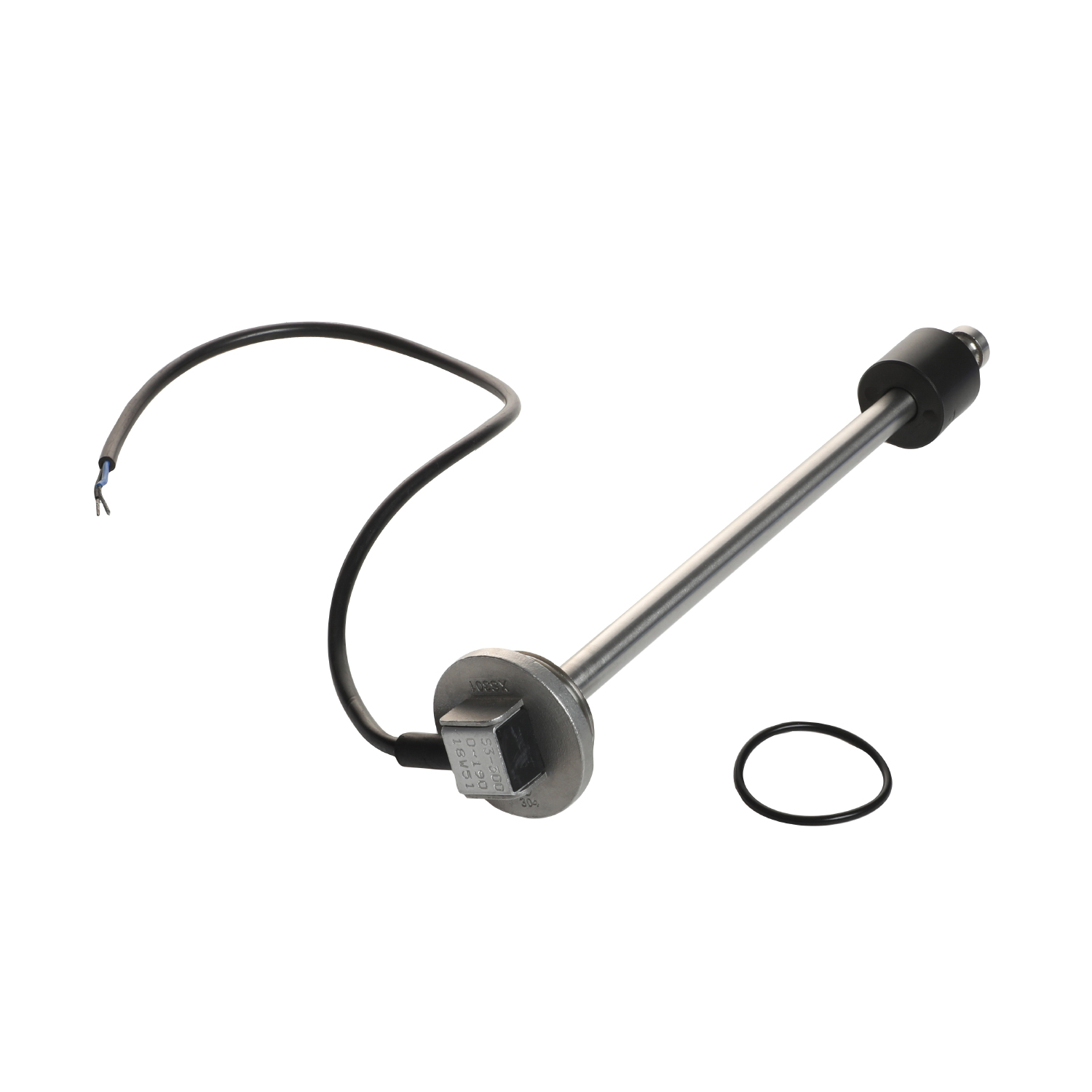
When a Genset Tank Needs a Combined Fuel Sender, Pickup, and Return
Modern fluid management strongly favors replacing separate tank penetrations with a consolidated architecture. You no longer need three distinct holes for feeding, returning, and monitoring fuel. Auxiliary generator installations frequently encounter severe physical space constraints.
More >>
10/ 10/ 2026
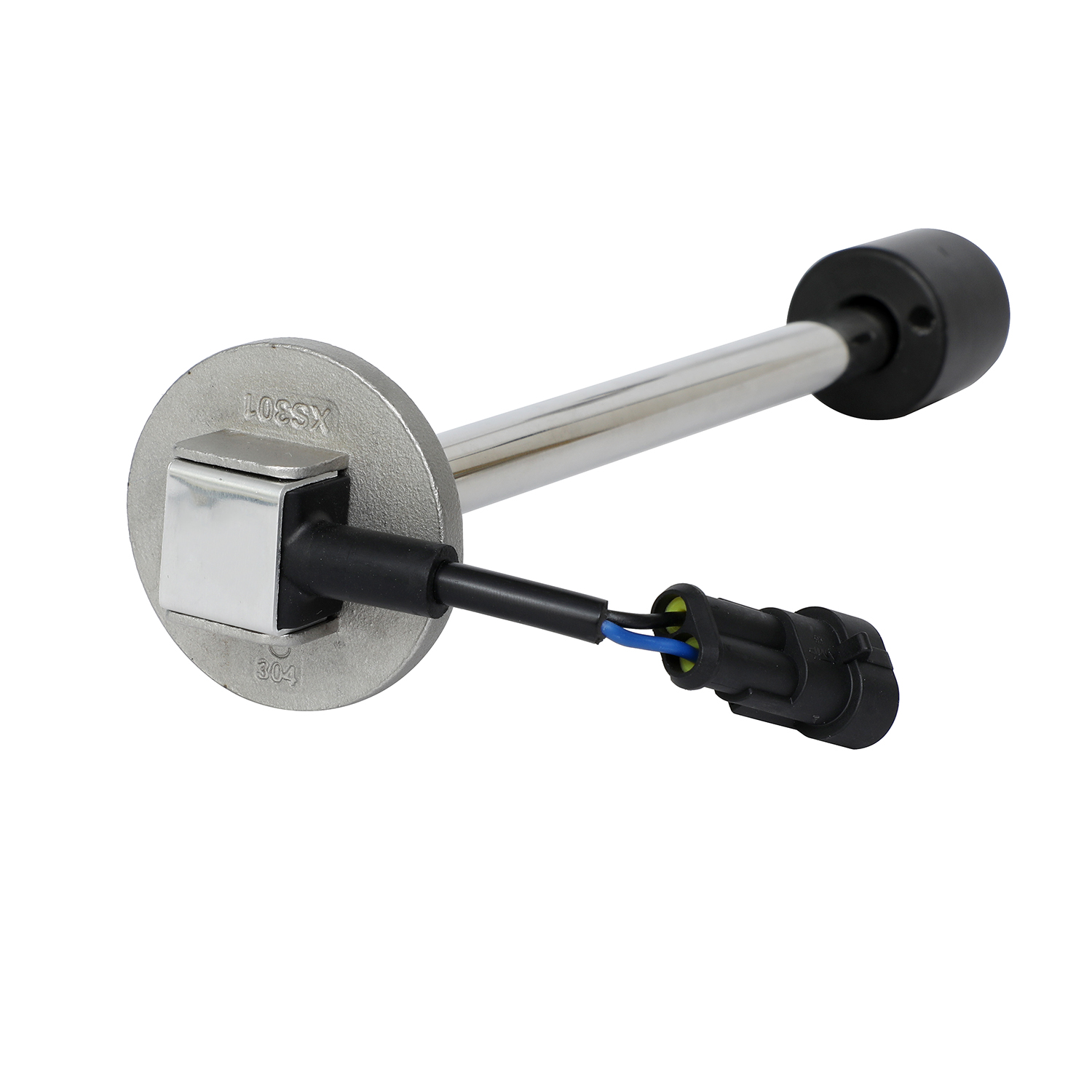
OEM Level Sensor RFQ Checklist: Tank, Output, Mounting, and Connector Details
Vague sensor requests silently drain engineering budgets. They spark vendor miscommunications and derail product launch timelines. Prolonged prototyping cycles often follow poorly defined technical scopes.
More >>
09/ 27/ 2026
How to Choose a Level Sensor for Agricultural Sprayer Tanks
Modern farming relies heavily on precision equipment to maximize yields and protect crops. However, even the most advanced telemetry systems fall short if they rely on faulty fluid measurements.
More >>
10/ 04/ 2026
Selecting a Fuel Level Sensor for Mobile and Transfer Tanks
Guessing fuel levels creates serious operational friction for mobile fleets. You risk generator downtime, face unexpected runouts on remote job sites, and often miss undetected fuel theft. Stationary storage relies on calm fluids in predictable environments.
More >>
09/ 21/ 2026
How to Monitor Water Storage Levels in Atmospheric Water Generators
Atmospheric water generators rely on precise level sensing for much more than basic inventory tracking. These advanced systems demand exact measurements to control energy-intensive compressor cycles. Precision also prevents catastrophic overflow events.
More >>
09/ 01/ 2026
How to Select a CAN Bus Fuel Level Sensor for Marine Applications
Traditional analog resistive senders often fail in rough marine environments. Heavy vessel vibration, constant saltwater corrosion, and mechanical contact wear cause erratic dashboard readings. Boat operators frequently experience unexpected sensor breakdowns during offshore voyages.
More >>
09/ 14/ 2026
How to Select Water Level Sensors for Evaporative Coolers and Cooling Towers
Sensor failures in cooling systems trigger disastrous operational risks. Dry runs routinely destroy expensive pumps in a matter of minutes. Overflowing basins waste thousands of gallons of water and create significant facility hazards.
More >>
