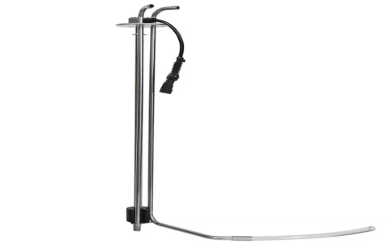
The fuel level sensor is a crucial component of a vehicle's fuel system, responsible for accurately measuring the amount of fuel in the tank and relaying this information to the fuel gauge on the dashboard. This sensor ensures that drivers can monitor their fuel levels in real-time, helping prevent unexpected fuel shortages while driving. Without a properly functioning fuel level sensor, the gauge may display incorrect readings, leading to potential inconvenience or even running out of fuel unexpectedly. The purpose of this article is to explain how the fuel level sensor works, explore the different types of sensors used in vehicles, and describe how they communicate with the vehicle’s fuel gauge to provide accurate fuel level readings.
The Basic Function of a Fuel Level Sensor
The fuel level sensor is essential for monitoring and displaying the amount of fuel in a vehicle's tank. It provides real-time information to the driver, helping to prevent unexpected fuel shortages and ensuring efficient fuel management. Here’s how the sensor works:
1. Role in Monitoring Fuel Levels
The primary function of the fuel level sensor is to continuously measure the amount of fuel in the tank. It does so by using a float that moves up and down as the fuel level changes. This float is connected to a mechanism that tracks its position, ensuring accurate measurement regardless of whether the tank is full or near empty.
2. How the Sensor Sends Information to the Fuel Gauge
The float mechanism is linked to either a resistive strip or capacitive element. As the fuel level changes, the float moves, altering the resistance or capacitance. This change in electrical properties generates a signal that is sent to the vehicle's fuel gauge or onboard computer.
Resistive Sensors: When the float moves, it changes the resistance, and the vehicle’s system translates this resistance into a fuel level reading on the dashboard.
Capacitive Sensors: In these sensors, the fuel level alters the capacitance between two plates, with the sensor sending this data to display the fuel level.
3. Displaying the Fuel Level
The sensor sends the data to the vehicle's fuel gauge, which then displays the fuel level on the dashboard. This allows the driver to visually monitor how much fuel is remaining and make decisions about refueling.
Components of a Fuel Level Sensor
A fuel level sensor consists of several key components that work together to measure the fuel in the tank and send accurate data to the fuel gauge. Here's a breakdown of these components:
1. The Float
The float is the most visible and fundamental part of the fuel level sensor. It is designed to rest on the surface of the fuel, moving up or down in response to changes in the fuel level. As fuel is consumed or added to the tank, the float rises or falls accordingly.
Movement: The float moves in direct proportion to the fuel level. When the tank is full, the float is at its highest point, and when the tank is empty, the float is at its lowest point.
Connection to the Sensor: The float is typically connected to either a resistive strip or a capacitive element, depending on the type of sensor. As the float moves, it changes the electrical properties of these components, which is key to measuring the fuel level.
2. The Resistive Strip or Capacitive Element
These two components are responsible for converting the movement of the float into an electrical signal that the vehicle’s fuel gauge can interpret.
Resistive Strip: In resistive sensors, the float is connected to a resistive strip. As the float moves, it changes the resistance across the strip. When the float is at the top (full tank), the resistance is low; when it is at the bottom (empty tank), the resistance is high. The vehicle's onboard computer reads these changes in resistance and converts them into a fuel level reading that is displayed on the gauge.
Capacitive Element: In capacitive sensors, the float is linked to a pair of conductive plates that create an electric field. As the fuel level changes, the distance between these plates changes, altering the capacitance (the ability to store an electrical charge). This change in capacitance is detected by the sensor and translated into a fuel level reading.
3. The Electrical Signal
Both the resistive strip and the capacitive element generate an electrical signal in response to the float's movement. This signal is sent to the vehicle’s onboard computer or fuel gauge, which then displays the corresponding fuel level.
How the Sensor Communicates with the Fuel Gauge
The fuel level sensor sends data to the vehicle’s onboard computer or engine control unit (ECU), which processes this information to display accurate fuel levels on the dashboard.
1. Sending Data to the ECU
Resistive Sensors: The float alters the resistance in the resistive strip, which is sent to the ECU.
Capacitive Sensors: The float changes the capacitance between two plates, and the ECU detects this change.
2. Processing the Sensor Data
The ECU converts the signal into a fuel level reading using pre-programmed algorithms. It calculates fuel levels based on the resistance or capacitance, factoring in calibration values for accuracy.
3. Displaying the Fuel Level
The ECU sends the processed data to the fuel gauge, which displays the fuel level on the dashboard, either through a needle or a digital readout.
4. Additional Features
The ECU can also trigger alerts, like the low fuel warning light, when the fuel level reaches a critical point.
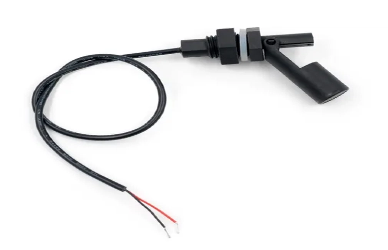
Types of Fuel Level Sensors
Fuel level sensors generally fall into two types: resistive sensors and capacitive sensors. Both measure fuel levels but work in different ways.
1. Resistive Sensors
Resistive sensors are common and cost-effective, typically found in older or budget vehicles.
How It Works: The float moves with the fuel level, changing the resistance in a resistive strip. A higher resistance indicates a lower fuel level, while a lower resistance signals a higher level.
Advantages: Simple, affordable, and reliable.
Limitations: Prone to wear over time, leading to inaccuracies.
2. Capacitive Sensors
Capacitive sensors are more advanced and often used in newer vehicles.
How It Works: The sensor uses two conductive plates separated by fuel. Changes in fuel levels alter the capacitance (ability to store an electrical charge) between the plates.
Advantages: More accurate and durable, providing consistent readings.
Limitations: More expensive and complex than resistive sensors.
Common Issues with Fuel Level Sensors
Fuel level sensors can experience various issues that impact their performance over time. Understanding these issues and their symptoms can help prevent more significant problems. Here's how wear and tear, electrical issues, and corrosion affect sensor function:
1. Wear and Tear
Over time, the components of the fuel level sensor, especially the float and resistive strip (in resistive sensors), can wear down due to continuous movement and exposure to fuel.
Effect on Performance: Wear can cause inaccurate readings, where the gauge may display incorrect fuel levels, such as showing a full tank when it's almost empty.
Cause: Continuous movement of the float or degradation of the resistive strip due to prolonged use.
2. Electrical Problems
The fuel level sensor relies on a continuous electrical connection to transmit data to the fuel gauge or ECU. Issues such as damaged wires, corroded connectors, or loose connections can interrupt this data flow.
Effect on Performance: Electrical problems can lead to fluctuating or erratic readings, or the fuel gauge might fail to respond at all.
Cause: Broken, frayed, or corroded wiring can interfere with the signal, leading to inconsistent data transmission.
3. Corrosion
Fuel level sensors are exposed to the harsh environment inside the fuel tank, where they can be affected by corrosion from moisture, dirt, or chemical reactions between fuel and metal parts.
Effect on Performance: Corrosion can cause the sensor’s components, including the float or the sensor's electrical contacts, to fail, leading to incorrect fuel readings or total sensor failure.
Cause: Exposure to fuel vapors, moisture, or poor-quality fuel can accelerate corrosion.
FAQ (Frequently Asked Questions)
1.Can the fuel level sensor get damaged over time?
Yes, wear and tear, corrosion, and electrical issues can damage the sensor, affecting its accuracy.
2.What happens if the fuel level sensor is not working?
If the sensor fails, the fuel gauge may display incorrect readings, leading to potential fuel shortages or unnecessary stops.
3.How does a resistive fuel level sensor work?
A resistive sensor uses a float and a resistive strip to measure the fuel level by varying the electrical resistance as the fuel level changes.
4.Why do some vehicles use capacitive fuel level sensors?
Capacitive sensors are more accurate and durable, measuring changes in capacitance to provide precise fuel level readings without mechanical wear.
Conclusion
The fuel level sensor plays a vital role in ensuring the smooth operation of a vehicle by providing accurate fuel measurements. It helps drivers monitor fuel levels in real-time, preventing unexpected fuel shortages and allowing for efficient fuel management. An accurate fuel gauge is crucial for vehicle performance, as it ensures that the driver has enough fuel to reach their destination and avoid being stranded. The sensor's ability to reliably communicate with the vehicle’s onboard computer or fuel gauge makes it an essential component for both safety and convenience. By understanding the importance of the fuel level sensor and maintaining it properly, drivers can ensure consistent and accurate fuel readings, contributing to the overall health and efficiency of their vehicle.


