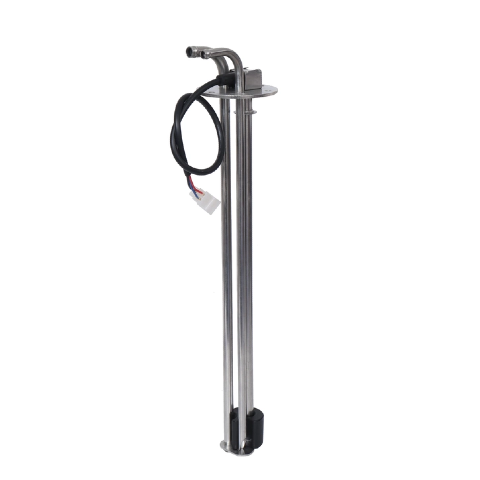
Maintenance engineers often discover that many level monitoring problems are not caused by electronics failing suddenly. Instead, they develop slowly as deposits accumulate on the probe, installation conditions change, or operating environments become harsher over time. A water level probe sensor is designed to provide stable liquid detection for tanks, reservoirs, and industrial equipment, but like any device that works directly in a liquid environment, it can be affected by fouling, contamination, or installation issues. Understanding how these failures occur is the first step toward preventing them. With the right installation practices, material selection, and maintenance strategy, many common problems can be avoided before they interrupt pump control systems or tank monitoring operations.
What sensor fouling means in real applications
Biofilm, scale, sludge, and debris buildup
Sensor fouling refers to the accumulation of unwanted materials on the sensing surface of a probe. These materials may come from biological growth, mineral deposits, or suspended solids present in the liquid.
In water tanks, biofilm may develop when microorganisms attach to metal surfaces and form a thin layer. Over time this layer can become thicker and interfere with the probe’s ability to detect liquid accurately.
Scale deposits are another common source of fouling. Minerals dissolved in water can gradually form solid deposits on metal surfaces, particularly when temperature changes occur.
Sludge and debris may also collect near the bottom of tanks where sediments settle. If the probe is installed too close to this zone, debris may attach to the sensor and alter its detection behavior.
Why fouling changes sensor response over time
Fouling rarely causes immediate failure. Instead, it slowly changes the electrical environment around the probe. As deposits accumulate, the sensor may begin to interpret these changes as liquid contact even when the liquid level has not reached the probe.
This gradual shift in response is why fouling problems often appear as unstable readings or delayed switching signals rather than complete sensor shutdown.
Over time, if the buildup becomes severe, the probe may remain permanently triggered or fail to detect liquid altogether.
Why the problem appears gradually before complete failure
Unlike mechanical breakage, fouling develops slowly as operating conditions continue. This gradual process often makes the problem difficult to notice in its early stages.
Operators may observe small fluctuations in sensor signals before realizing that fouling has become significant. By the time alarms or pump failures occur, the sensor surface may already be heavily contaminated.
Recognizing these early warning signs allows maintenance teams to address fouling before it leads to system disruption.
The most common water level probe failure modes
False high or false low readings
One of the most frequent issues caused by fouling is incorrect level detection. When deposits accumulate on the probe surface, they may create an electrical pathway that mimics liquid contact.
As a result, the system may register a high-level signal even when the liquid is below the probe. This situation can prevent pumps from starting when the tank needs filling.
False low readings can also occur when contamination blocks the probe from detecting the liquid properly.
Slow response or unstable switching
Another common symptom is delayed or unstable sensor response. When fouling layers form around the probe, the sensor may require more time to detect changes in liquid level.
Switching signals may appear inconsistent, especially when the liquid level fluctuates near the detection point.
This instability can interfere with automated pump systems and cause unnecessary cycling.
Corrosion, cable damage, and connector-related faults
Although fouling is one of the most common causes of sensor issues, other mechanical problems can also affect performance.
Corrosion may occur if sensor materials are not compatible with the liquid environment. Cable damage caused by mechanical stress or exposure to harsh conditions can interrupt signal transmission.
Connector faults may also lead to intermittent operation. Ensuring proper installation and selecting durable materials can reduce these risks.
Why fouling happens faster in some tanks than others
Sediment-heavy water and stagnant zones
Not all tanks experience fouling at the same rate. Tanks that contain large amounts of suspended solids are more likely to accumulate sediment on sensor surfaces.
Stagnant zones inside the tank can also accelerate buildup. When water circulation is limited, debris tends to settle and remain in contact with the probe.
Proper sensor placement can reduce exposure to these conditions.
Chemical composition and scaling tendency
The chemical composition of the liquid plays a significant role in fouling. Water containing high mineral content may produce scale deposits more quickly than purified water.
Industrial liquids may also contain chemical compounds that promote buildup on metal surfaces.
Understanding the liquid composition helps determine the appropriate sensor material and maintenance schedule.
Poor mounting position near debris or bottom sludge
Installation location is another important factor. Sensors placed near the bottom of a tank are more likely to encounter sludge or debris.
Similarly, sensors located near inflow pipes may be exposed to particles entering the tank.
Careful placement reduces the likelihood of contamination accumulating on the probe.
How to prevent fouling through better installation
Keep the sensor clear of settled solids
Installing the sensor slightly above the bottom of the tank can help prevent contact with sediment layers. This placement ensures that the probe detects the liquid level rather than reacting to settled debris.
Proper installation height is therefore one of the simplest and most effective ways to prevent fouling-related problems.
Reduce exposure to turbulence and direct debris flow
Sensors should also be positioned away from areas where debris enters the tank. Inlet pipes often carry particles that may attach to the probe if the sensor is placed too close.
Choosing a calmer area of the tank improves sensor stability and reduces contamination.
Use a mounting layout that supports inspection and cleaning
Maintenance accessibility should be considered during installation. Sensors mounted in locations that allow easy removal or inspection can be cleaned more efficiently when necessary.
A well-designed mounting layout simplifies routine maintenance and extends sensor life.
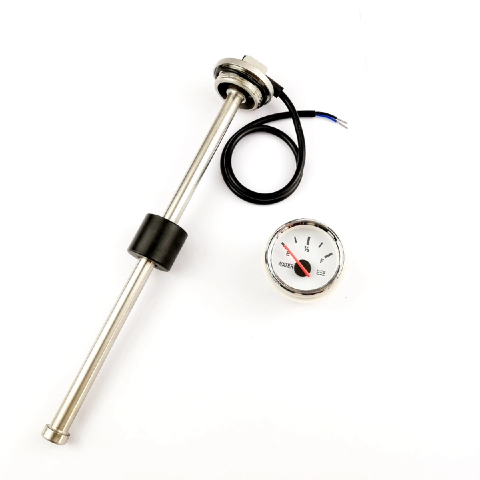
Bluefin Sensor Technologies Limited manufactures stainless steel probe sensors designed for durability and easy installation, making them suitable for environments where fouling risks are present.
Cleaning and maintenance practices that extend service life
Routine inspection intervals
Regular inspection is essential for preventing fouling-related failures. Maintenance teams should check sensors periodically for signs of buildup or corrosion.
The inspection frequency depends on the operating environment. Tanks with higher contamination levels may require more frequent checks.
Matching cleaning method to the type of fouling
Different types of fouling require different cleaning approaches. Mineral scale may require chemical cleaning agents, while biological growth may be removed through mechanical cleaning methods.
Selecting an appropriate cleaning method helps restore sensor performance without damaging the probe surface.
Why over-cleaning can also damage sensor performance
Although cleaning is important, excessive cleaning may also create problems. Aggressive cleaning methods can damage protective coatings or sensor surfaces.
A balanced maintenance strategy ensures that sensors remain clean without causing unnecessary wear.
When the problem is not fouling at all
Wiring faults that imitate sensor failure
Some problems that appear to be fouling may actually originate from electrical issues. Loose wiring or damaged cables can interrupt the signal between the sensor and the control system.
These faults may produce symptoms similar to sensor malfunction.
Threshold or control-setting errors
Incorrect control settings can also create misleading behavior. If switching thresholds are configured improperly, the system may activate pumps or alarms at incorrect levels.
Verifying system configuration helps identify these issues.
Choosing the wrong sensing technology for the liquid
In some cases, sensor failure occurs because the selected technology is not suitable for the liquid environment. Liquids with unusual conductivity or chemical properties may require a different sensing method.
Selecting the correct sensor design from the beginning reduces the risk of these compatibility issues.
Water Level Probe Failure Symptoms and Prevention
Symptom | Likely cause | Preventive action | Maintenance priority |
False high-level signal | Fouling on probe surface | Clean probe and adjust installation height | High |
False low-level detection | Debris blocking probe | Reposition sensor away from sediment | High |
Slow switching response | Scale buildup | Inspect and clean probe regularly | Medium |
Intermittent signal loss | Cable or connector damage | Check wiring and connectors | High |
How buyers can reduce future failure before placing an order
Share the liquid condition, tank layout, and maintenance constraints
Providing detailed information about the application environment helps engineers recommend a sensor configuration that minimizes fouling risk.
Liquid composition, tank size, and operating conditions all influence sensor performance.
Ask about materials, cable protection, and customization
Material selection is critical for long-term reliability. Stainless steel probes offer strong resistance to corrosion and environmental exposure.
Bluefin Sensor Technologies Limited develops customizable probe designs that match different tank structures and operating environments.
Think beyond purchase price to operating reliability
Selecting a sensor solely based on initial cost may lead to higher maintenance expenses later. A durable sensor designed for the specific application often provides better long-term value.
Investing in reliable sensor design reduces downtime and improves operational efficiency.
Conclusion
Long-term reliability in tank monitoring depends on more than simply installing a sensor. When the application environment, installation method, and maintenance practices are carefully considered, a liquid level probe sensor can operate reliably for extended periods while supporting stable pump control and automated monitoring systems. Bluefin Sensor Technologies Limited designs and manufactures stainless steel probe sensors and float switches that combine durability, customization flexibility, and fast production capability. If you are planning a tank monitoring system or looking to improve the reliability of an existing installation, contact us to discuss your application and find a suitable level sensing solution.
FAQ
What causes most water level probe sensor failures?
Many failures result from fouling caused by scale, biofilm, or sediment accumulation rather than electronic defects.
How can fouling on a water level probe sensor be prevented?
Proper installation height, routine inspection, and selecting corrosion-resistant materials help reduce fouling risk.
Can sensor fouling affect pump automation systems?
Yes. Fouling may cause false level readings that trigger pumps at incorrect times or prevent pumps from starting.
Are stainless steel probes better for long-term use?
Stainless steel probes are widely used because they provide corrosion resistance and mechanical durability in many water and industrial environments.


