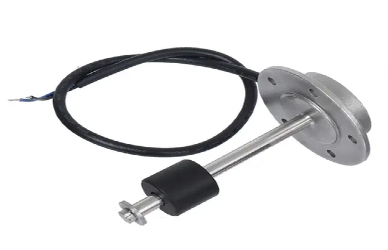
A fuel level sensor is a crucial component in a vehicle's fuel system, responsible for accurately measuring the amount of fuel in the tank and providing this data to the fuel gauge on the dashboard. This allows drivers to monitor fuel levels and avoid running out of fuel unexpectedly. The sensor works by converting the fuel level into an electrical signal that is sent to the vehicle's display system, ensuring the driver is aware of how much fuel remains.
However, like any other vehicle component, the fuel level sensor can fail over time due to wear and tear, electrical issues, or contamination. When this happens, it can lead to inaccurate fuel readings, fluctuating gauges, or even a complete loss of data, which can cause inconvenience and potential safety risks. In this article, we will explore what happens when a fuel level sensor goes bad, how to identify the symptoms of a malfunction, and the steps you can take to address the issue before it affects your vehicle's performance and safety.
How Does a Fuel Level Sensor Work?
1. The Basic Function of a Fuel Level Sensor
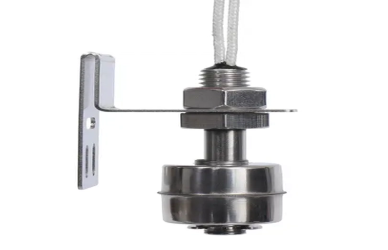
A fuel level sensor measures the amount of fuel in the tank and sends this data to the vehicle's fuel gauge, which displays the fuel level. The sensor typically includes a float that moves with the fuel level, altering either a variable resistor or capacitive element. As the float moves, it changes the resistance or capacitance, sending an electrical signal to the fuel gauge, which shows the remaining fuel.
2. How It Connects with the Vehicle's Fuel Gauge and Electronic Systems
The sensor is connected to the vehicle’s electronic systems via wiring, transmitting data to the fuel gauge and the onboard diagnostics (OBD) system. In modern vehicles, the data is often sent to the engine control unit (ECU), which processes the information and adjusts the fuel gauge. The ECU may also use this data to trigger warnings, like the low fuel light.
3. Common Types of Fuel Level Sensors (Resistive vs. Capacitive)
Fuel level sensors typically come in two types: resistive and capacitive.
Resistive Sensors: These sensors use a float connected to a resistive strip. As the float moves with fuel level changes, it alters the resistance, which is then converted into a fuel level reading. They are reliable but can wear over time due to mechanical parts.
Capacitive Sensors: These sensors measure changes in capacitance between two conductive plates as the fuel level changes. They offer more precision and durability but tend to be more expensive than resistive sensors.
Symptoms of a Malfunctioning Fuel Level Sensor
When a fuel level sensor fails, it can lead to various issues that affect your driving experience. Here are the main symptoms:
1. Inaccurate Fuel Readings
A common sign of a malfunctioning sensor is incorrect fuel readings. The gauge may show a full tank even when it’s nearly empty, or vice versa. This can cause unexpected fuel shortages or unnecessary refueling.
2. Fluctuating Fuel Readings
If the sensor is faulty, the fuel gauge may jump between full and empty without a consistent pattern, even when the car is stationary. This makes it difficult to trust the fuel level, causing confusion about how much fuel is remaining.
3. Fuel Warning Light Staying On
A malfunctioning sensor can cause the fuel warning light to stay on, even when the tank is sufficiently filled. This can be frustrating, especially when you know the fuel level is not low.
4. Decreased Engine Performance
Inaccurate fuel data can also affect the engine control unit (ECU), potentially influencing fuel delivery. This can lead to poor acceleration, rough idling, or stalling as the engine misinterprets the fuel level.
Common Causes of Fuel Level Sensor Failure
Fuel level sensors are crucial for accurate fuel readings but can fail due to several factors. Here are the main causes:
1. Wear and Tear
Over time, continuous use can cause wear on the sensor’s moving parts, such as the float. These parts can degrade, especially in high-mileage vehicles, leading to inaccurate readings or sensor failure. Additionally, the sensor’s resistor or capacitor may deteriorate, affecting its performance.
2. Electrical Issues
Fuel level sensors rely on electrical connections to transmit data. Broken, frayed, or short-circuited wires can interrupt the electrical flow, causing erratic or incorrect readings. Poor connectors or grounding issues may also lead to electrical interference, resulting in sensor malfunction.
3. Corrosion
Exposing the sensor to fuel and vapors over time can cause corrosion, especially if the sensor is made of non-corrosive materials. Corrosion can damage electrical contacts or the float mechanism, preventing the sensor from working properly. This is especially common in vehicles operating in humid or salty environments.
4. Contamination
Dirt, debris, or rust in the fuel tank can block or damage the sensor, leading to inaccurate readings. Contaminants like water or sediment in the fuel can also cause fluctuating or incorrect fuel level readings, increasing the risk of sensor failure.
How to Diagnose a Fuel Level Sensor Issue
Diagnosing a faulty fuel level sensor can be done effectively with the right tools and techniques. Here’s how to do it:
1. Using an OBD-II Scanner to Check for Fault Codes
An OBD-II scanner can quickly reveal any issues with the fuel level sensor by checking for stored fault codes.
Plug the scanner into the diagnostic port.
Turn on the ignition and follow the scanner's prompts.
Look for fault codes (e.g., P0463 or P0461) related to the fuel level sensor.
If a code is found, the sensor is likely at fault.
2. Observing the Fuel Gauge’s Behavior
Monitor the fuel gauge for irregularities.
Watch for fluctuating, stuck, or inaccurate readings.
If the gauge shows incorrect levels (like full when empty), the sensor may be malfunctioning.
3. Inspecting the Sensor and Wiring
Physically check the fuel sensor and its wiring.
Locate the sensor in the fuel tank and look for visible damage or corrosion.
Inspect the wiring for fraying, loose connections, or signs of short-circuiting.
If any damage is found, replace or repair the parts.
How to Fix a Faulty Fuel Level Sensor
If your fuel level sensor is malfunctioning, here’s how to address the issue based on its severity:
1. Cleaning or Replacing the Sensor
For minor issues like dirt or corrosion, cleaning the sensor may resolve the problem. Remove the sensor, clean it with an appropriate agent, and check if the issue is fixed. If the sensor is damaged or worn, replacement is needed. This involves draining the fuel tank, removing the old sensor, and installing a new one. Make sure to get a compatible replacement.
2. Check the Electrical Connections
Electrical problems can also cause sensor malfunctions. Inspect the wiring and connectors for any corrosion or fraying. Tighten loose connections and replace any damaged wires. Clean the contacts with electrical cleaner for proper function. If the issue persists, the sensor itself may need replacement.
3. Professional Repair
If you're unsure about diagnosing or fixing the sensor, or if the issue seems complex (e.g., ECU-related), it’s best to consult a professional technician. They can accurately diagnose and repair or replace the sensor, ensuring it functions correctly.
How to Prevent Fuel Level Sensor Failures
Preventing fuel level sensor failure is largely about maintaining the overall health of your vehicle’s fuel system. Here are a few essential steps to ensure the longevity of your sensor:
1. Regular Maintenance and Inspections
Routine vehicle maintenance is crucial in identifying potential problems before they worsen. Have your fuel system, including the sensor, inspected during regular service intervals. Checking for signs of wear, corrosion, or any electrical issues can help catch problems early. Additionally, replacing the fuel filter as part of your maintenance routine helps prevent debris buildup in the tank, which can affect the sensor.
2. Avoiding the Use of Low-Quality Fuel
Using low-quality or contaminated fuel can cause sediment and impurities to build up in the fuel tank, leading to sensor malfunction. Always use high-quality fuel from reputable sources to reduce the risk of contaminants entering the tank. Consistent use of good-quality fuel ensures the proper functioning of the fuel system and sensor.
3. Keeping the Fuel Tank Clean
A clean fuel tank is key to preventing contamination and corrosion that can damage the sensor. Periodically check the tank for rust or dirt accumulation, especially in older vehicles. If you notice any contamination, have the tank cleaned. Additionally, avoid running the tank too low on fuel frequently, as this can stir up sediment at the bottom of the tank, which may damage the sensor.
FAQ (Frequently Asked Questions)
1.How long does a fuel level sensor last?
Fuel level sensors typically last between 5 to 10 years, depending on usage conditions and maintenance.
2.How do I know if my fuel level sensor is faulty?
Common signs include inaccurate fuel readings, fluctuating fuel levels, or the fuel warning light staying on.
3.Can I still drive with a faulty fuel level sensor?
Yes, but the inaccurate fuel readings can be risky. You may not know when the tank is empty, potentially running out of fuel unexpectedly.
4.How much does it cost to replace a fuel level sensor?
The cost varies by vehicle make and model but typically ranges from $100 to $500, including parts and labor.
Conclusion
A functioning fuel level sensor is essential for both vehicle safety and performance. It provides accurate readings of your fuel levels, allowing you to monitor fuel consumption and avoid running out of fuel unexpectedly. Inaccurate fuel readings or sensor malfunctions can not only lead to inconvenient fuel shortages but may also impact the vehicle’s engine performance and other electronic systems. Timely identification and repair of a faulty sensor are crucial to prevent further issues, such as poor engine performance, inaccurate gauge readings, or even a complete failure of the fuel system. By ensuring that your fuel level sensor is in good condition, you maintain the efficiency of your vehicle, improve safety on the road, and reduce the risk of more costly repairs in the future. Regular maintenance and prompt action when problems arise can help keep your vehicle running smoothly and reliably.


