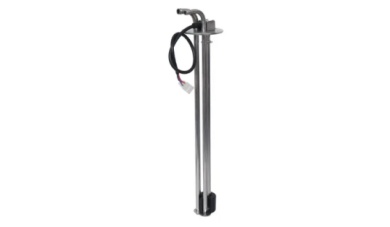
Selecting the right TN level sensor for your application is about more than just accuracy — it’s about matching the sensor’s materials and design to the physical and chemical properties of the liquid being measured. Whether you’re dealing with clean water in a tank or highly corrosive chemicals in a processing line, the materials in contact with the fluid play a critical role in performance, longevity, and safety. At Bluefin Sensor Technologies Limited, we’ve spent years engineering level sensing solutions that reliably meet the demands of diverse industries, and we understand how material selection can make or break a sensing application.
Understanding TN Level Sensors and Material Compatibility
A TN level sensor (tunable network / tank level sensor) detects liquid levels using principles such as capacitance, conductivity, or tuning fork vibration, depending on design. Regardless of technology, the wetted parts — those that come into contact with the liquid — must be compatible with the fluid’s chemistry.
Material compatibility affects:
· Corrosion resistance
· Sensor lifespan
· Measurement accuracy
· Maintenance frequency
· Safety compliance
Choosing materials that react poorly with the fluid can lead to rapid degradation, false readings, downtime, and even hazardous failures. Conversely, well matched materials help ensure consistent, stable performance over years of operation.
Why Material Selection Matters for Corrosive vs. Non Corrosive Liquids
Non corrosive liquids like water or mild alkaline solutions typically don’t attack common metals, plastics, or coatings. However, corrosive liquids — acids, bases, solvents, salt solutions — can aggressively react with metals and polymers, leading to material breakdown or contamination.
For example:
· Stainless steel 304 performs beautifully with potable water but can pit in chloride environments.
· PTFE (Teflon) resists many aggressive chemicals but may not withstand high temperatures.
· Hastelloy alloys thrive in highly corrosive environments but come at higher cost.
Understanding the chemical nature and operating conditions (temperature, pressure, fluid velocity, impurities) is key to selecting the right sensor materials.
Common Materials Used in TN Level Sensors
Below is a snapshot of materials frequently used for TN level sensors, and the types of liquids they are best suited for:
Material | Corrosion Resistance | Best For | Considerations |
304 Stainless Steel | Mild corrosion resistance | Water, mild alkalines | Affordable, limited in high chloride/brine |
316 Stainless Steel | Better corrosion resistance | Offshore water, mild acids | Good general service, moderate cost |
Hastelloy | Excellent high corrosive resistance | Strong acids, chlorides | Higher cost, excellent longevity |
PTFE (Teflon) | Excellent chemical resistance | Strong acids, bases, solvents | Temperature limits, softer polymer |
PEEK (Polyether ether ketone) | Strong chemical resistance | Strong solvents, high temp fluids | Higher cost, excellent mechanical strength |
Ceramics | Excellent inert surface | Ultra aggressive chemicals, high temp | Brittle, good niche applications |
Selecting Materials for Non Corrosive Liquid Applications
When working with non-corrosive liquids, the primary focus of material selection is on durability and cost-effectiveness. Non-corrosive liquids are typically less aggressive on materials, which allows for more flexible and affordable material choices.
Typical Liquids
· Water and wastewater: Common in municipal water treatment and industrial cooling systems.
· Mild cleaners: Used in commercial and household cleaning.
· Lubricants: Vital for machinery operations, such as in automotive or industrial applications.
· Coolants: Used in various industrial processes to regulate temperature.
Recommended Materials
· 304 Stainless Steel — This is an excellent general-purpose material due to its good strength and affordability. It is widely used for applications where corrosion resistance is not a major concern, such as water treatment and coolants.
· 316 Stainless Steel — A more corrosion-resistant version of 304, ideal for slightly saline environments or where moderate levels of chemical exposure are present. It's perfect for industrial water systems or mild cleaners.
· Carbon Steel — A more economical choice for very mild, non-oxidizing environments. However, it is often used in coated forms to provide additional protection against the elements. Commonly seen in applications where cost is a major concern.
Benefits for Non Corrosive Applications
· Lower material cost: These materials are generally less expensive, making them ideal for industries looking to balance performance and affordability.
· Longer intervals between maintenance: Materials like 304 stainless steel have long lifespans and require less frequent maintenance in non-corrosive liquid environments.
· Reduced risk of material degradation: Non-corrosive liquids are much less likely to damage or degrade materials, which helps extend the lifespan of your TN level sensor.
· Broad compatibility with common industrial environments: These materials work well across a wide range of industrial environments, reducing the need for highly specialized equipment or materials.
A TN level sensor made with 304/316 stainless steel or plastic housings is perfectly suitable for these applications, offering stable readings and minimal concerns about material degradation over time.
Choosing Materials for Corrosive Liquid Environments
In corrosive environments, selecting the right materials is critical for ensuring the longevity and performance of TN level sensors. Corrosive liquids can rapidly degrade inappropriate materials, leading to sensor failure, inaccuracies, or leaks.
Typical Liquids
· Hydrochloric, sulfuric, nitric acids: Common in chemical processing, mining, and some cleaning operations.
· Sodium hydroxide and strong base solutions: Found in industrial cleaning, waste treatment, and chemical production.
· Organic solvents: Used in pharmaceuticals, paint production, and cleaning processes.
· Chloride/chlorinated compounds: Common in water treatment and swimming pools.
· Brine and salt solutions: Used in food processing, desalination, and various industrial applications.
Recommended Materials
· Hastelloy — Excellent for strong acids and chlorides, Hastelloy is a super alloy that can withstand aggressive chemical attack, making it the best choice for very corrosive applications such as acid or chloride-rich environments.
· PTFE (Teflon) — An inert material with broad chemical compatibility, PTFE is widely used for corrosive environments because of its chemical resistance. However, it has temperature limits and may not be suitable for high-pressure applications.
· PEEK (Polyether Ether Ketone) — This high-performance polymer is durable and has excellent resistance to alkalis, solvents, and high temperatures, making it suitable for harsh chemical environments.
· Ceramics — Inert and high-temperature tolerant, ceramics are ideal for specific use cases that require excellent resistance to both high temperatures and aggressive chemicals. However, their brittleness limits their use in some applications.
Key Benefits of Proper Material Selection
· Longevity under chemically aggressive conditions: Materials like Hastelloy and PEEK ensure that your TN level sensor lasts much longer in environments where traditional materials would quickly degrade.
· Consistent measurement accuracy: When a sensor is made from the right material, it maintains stable performance without being affected by the fluid's chemistry, ensuring reliable readings over time.
· Minimal contamination or leaching: Materials like PTFE and Hastelloy are inert, ensuring that there’s no contamination of the fluid being measured, making them ideal for use in sensitive applications such as pharmaceuticals and food processing.
· Reduced maintenance and downtime: By choosing durable materials that are resistant to corrosion, you can extend service intervals, reduce system downtimes, and minimize the need for costly repairs or replacements.
In industries dealing with corrosive chemicals, a TN level sensor made with Hastelloy, PTFE, or PEEK ensures that your measurement system stays accurate and durable, even under the harshest conditions.
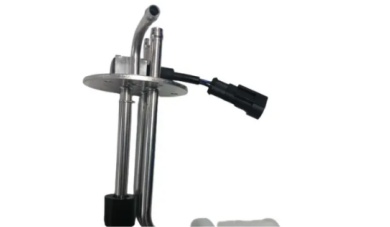
Additional Factors When Choosing Materials
Temperature
Corrosive impact often increases with temperature. Some polymers lose strength at elevated temperatures; metals may become more susceptible to specific corrosion mechanisms like pitting or stress corrosion cracking.
Pressure
High pressure can accelerate corrosion and stress fatigues. Metals like Hastelloy and high performance polymers can withstand both chemical and mechanical stresses better.
Fluid Velocity
High fluid flow or turbulent conditions can wear down wetted parts faster. Materials with greater mechanical and chemical resistance are preferred.
Abrasive Content
Liquids containing particulates or abrasive materials can erode surfaces. Hardened metals or composite materials can offer better resistance.
Conclusion
Choosing the right TN level sensor material is a critical decision that affects reliability, longevity, safety, and total cost of ownership. Corrosive liquids demand specialized materials like Hastelloy, PTFE, and PEEK, while non corrosive liquid systems can often perform well with 316 stainless steel or other general purpose materials. Understanding fluid chemistry, operating conditions, and material compatibility ensures that your level sensing solution delivers accurate, stable performance over the long term.
At Bluefin Sensor Technologies Limited, we specialize in providing tailored TN level sensor solutions designed to match diverse liquid environments and industry needs. If you’re looking for expert guidance or sensor solutions that will stand up to your specific application — from aggressive corrosives to gentle non corrosive liquids — contact us today to explore your options.
FAQ
1. What is a TN level sensor?
A TN level sensor is a type of liquid level sensing device that uses tuned network or other sensing technologies to detect fluid levels with high accuracy, often used in industrial applications.
2. How do materials affect the performance of a TN level sensor?
Materials in contact with the liquid (wetted parts) must resist corrosion or wear. In corrosive liquids, unsuitable materials can degrade fast, leading to inaccurate readings and shortened sensor life.
3. Can a TN level sensor be used in both corrosive and non corrosive environments?
Yes — but the material of construction must be carefully chosen for corrosive environments to ensure durability and safety, whereas in non corrosive environments, standard materials may suffice.
4. What should I consider besides material when choosing a TN level sensor?
You should also consider temperature, pressure, fluid velocity, installation location, and maintenance accessibility to ensure long term performance.


