The fuel level sensor is a critical component in a vehicle’s fuel system, providing accurate readings of how much fuel is in the tank. This information is essential for drivers to monitor fuel levels and plan refueling stops accordingly. The sensor ensures that the fuel gauge on your dashboard reflects the actual amount of fuel, preventing unexpected fuel shortages or unnecessary fuel stops. Given its importance, it’s natural to wonder about its longevity. Like all vehicle parts, fuel level sensors don’t last forever, and their lifespan can vary based on several factors. In this article, we will explore how long fuel level sensors typically last, what factors can affect their lifespan, and how you can maintain them to ensure optimal performance for as long as possible.
What Is the Average Lifespan of a Fuel Level Sensor?
The lifespan of a fuel level sensor in a typical vehicle usually ranges from 5 to 10 years or 100,000 to 150,000 miles. However, this can vary based on several factors. Here’s a breakdown of what affects the lifespan:
1. General Lifespan Estimate
Average Range: Fuel level sensors generally last between 5 and 10 years or 100,000 to 150,000 miles, depending on the vehicle’s usage and maintenance practices.
2. Factors That Influence the Lifespan
Vehicle Usage:
High-mileage vehicles or those subjected to harsh driving conditions (frequent stop-and-go driving, rough roads, extreme temperatures) may experience a shorter sensor lifespan due to increased wear and tear.
Sensor Type:
Resistive Sensors: These tend to last around 5-7 years or 100,000 miles, as they rely on mechanical parts (the float and resistive strip) that wear out over time.
Capacitive Sensors: These sensors, being more durable and requiring fewer moving parts, typically last 8-10 years or more, offering a longer lifespan compared to resistive sensors.
Environmental Exposure:
Fuel level sensors are exposed to fuel vapors, moisture, and temperature extremes. Exposure to poor-quality fuel or water contamination in the tank can reduce the sensor’s lifespan. Sensors in coastal areas, for example, may experience faster degradation due to saltwater exposure and corrosion.
3. Maintenance and Care
Proper vehicle maintenance can extend the sensor's life. Regularly checking fuel lines, maintaining the tank, and using high-quality fuel will help keep the sensor functioning well for a longer period. Neglecting these factors can lead to early failure and inaccurate fuel readings.
Factors Affecting the Lifespan of Fuel Level Sensors
Several factors influence how long a fuel level sensor lasts. From the vehicle’s usage to the type of sensor and maintenance practices, these elements all play a role in determining the lifespan of the sensor. Here’s a closer look at the key factors:
1. Usage and Mileage
High-Mileage Vehicles: Vehicles that are driven for long distances or have high mileage tend to put more strain on the fuel level sensor. Over time, the constant movement of the float mechanism and exposure to fuel vapors can cause wear and degradation.
Frequent Stop-and-Go Driving: If your vehicle spends a lot of time in urban traffic or frequent short trips, the sensor may experience more wear due to the constant changes in fuel levels, especially if the vehicle is used extensively in such conditions.
2. Environmental Factors
Driving Conditions: Harsh driving conditions, such as driving on rough terrain or in extreme temperatures, can accelerate sensor wear. Vibrations from rough roads can impact the mechanical parts of the sensor, while temperature fluctuations can cause expansion and contraction, affecting the sensor’s performance.
Weather Exposure: Exposure to high humidity or salty air (in coastal areas) can lead to corrosion of the sensor's metal parts. This corrosion can affect both the sensor’s electrical components and the float mechanism.
Fuel Quality: The quality of fuel used can also affect the sensor's lifespan. Contaminated or low-quality fuel, which may contain dirt, water, or other impurities, can damage the fuel level sensor over time. Additionally, using fuel with higher ethanol content can sometimes contribute to corrosion in certain sensors.
3. Sensor Type
Resistive Sensors: These sensors, which use a float and resistive strip to measure fuel levels, generally have a shorter lifespan (around 5-7 years or 100,000 miles). The mechanical nature of resistive sensors, with moving parts like the float, makes them more susceptible to wear and tear over time.
Capacitive Sensors: These are more durable, with no moving parts and a longer lifespan, typically lasting 8-10 years or more. They rely on changes in capacitance between plates as the fuel level changes, offering more accurate readings and greater longevity compared to resistive sensors. However, they are more expensive to replace.
4. Maintenance and Care
Regular Maintenance: Proper maintenance, including routine inspections of the fuel system and wiring, can help detect issues before they lead to sensor failure. Ensuring that the fuel tank is free from debris and contaminants can also protect the sensor from damage.
Fuel Tank Cleaning: Keeping the fuel tank clean and free from rust or sediment buildup can extend the life of the sensor. It’s also important to avoid letting the fuel tank run low too frequently, as this can stir up contaminants in the tank.
Electrical Connection Maintenance: Ensuring that all electrical connections related to the sensor are secure and free from corrosion is crucial for optimal sensor performance.
How to Tell If Your Fuel Level Sensor Needs Replacement
A failing fuel level sensor can lead to incorrect fuel readings and other issues. Here’s how to identify when it might need replacement.
1. Signs of a Failing Fuel Level Sensor
Inaccurate Readings: The gauge may show incorrect fuel levels (e.g., full when it’s nearly empty or empty when it’s full).
Fluctuating Fuel Gauge: The gauge may jump erratically, even if the fuel level hasn’t changed.
Low Fuel Warning Light Staying On: The low fuel light may stay illuminated despite having enough fuel.
No Fuel Reading: The gauge may be stuck on "empty" or not move at all.
Decreased Engine Performance: The sensor may affect engine performance if the ECU misinterprets fuel data.
2. Troubleshooting and Testing the Fuel Level Sensor
Check for Error Codes: Use an OBD-II scanner to check for error codes, such as P0463, related to the fuel sensor.
Observe the Fuel Gauge: Look for erratic movement or lack of response from the fuel gauge.
Inspect the Sensor and Wiring: Check for damaged wires, loose connections, or visible corrosion.
Test the Sensor with a Multimeter: For resistive sensors, use a multimeter to check for changing resistance as the float moves.
Check for Physical Damage: Inspect the float for sticking or damage.
3. When to Replace the Sensor
If the sensor shows signs of failure, or if testing reveals abnormal resistance, it’s time for a replacement. This typically involves draining the fuel tank and installing a new sensor. Professional assistance is recommended for proper installation.
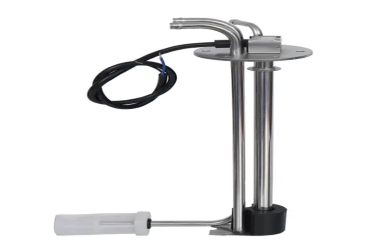
Table: Average Lifespan of Different Fuel Level Sensors
Sensor Type | Average Lifespan | Factors Affecting Lifespan |
Resistive Sensors | 5-7 years (100,000 miles) | Wear and tear, electrical issues, exposure to fuel vapors |
Capacitive Sensors | 8-10 years (150,000 miles) | Less wear, more durability, but higher cost |
High-Mileage Vehicles | 5-10 years (100,000-150,000 miles) | More wear, environmental factors, high fuel consumption |
How to Extend the Life of Your Fuel Level Sensor
Proper care and regular maintenance can help prolong the life of your fuel level sensor. Here’s how:
1. Regular Maintenance and Inspections
Routine Checks: Regularly inspect the sensor and fuel system for wear, damage, or corrosion. Early detection can prevent bigger issues.
Fuel System Cleaning: Periodically clean the fuel tank to remove debris or sediment that could damage the sensor.
2. Avoid Low-Quality Fuel and Contaminants
Use Quality Fuel: Low-quality fuel can contain impurities that damage the sensor. Stick to reputable stations and high-quality fuel.
Minimize Water Contamination: Avoid running the tank too low, which can stir up dirt and water, potentially harming the sensor.
3. Ensure Electrical Connections Are Secure and Free from Corrosion
Check Wiring: Inspect for wear, corrosion, or loose connections. Faulty wiring can cause inaccurate readings.
Clean Connections: Use electrical contact cleaner to keep connectors free from dirt and corrosion.
FAQ (Frequently Asked Questions)
1.What are the common signs that a fuel level sensor is failing?
Inaccurate readings, fluctuating fuel gauge, or a constant low fuel warning light are signs that the sensor may need replacement.
2.Do capacitive sensors last longer than resistive sensors?
Yes, capacitive sensors typically last 8-10 years, while resistive sensors may last 5-7 years due to their mechanical parts.
3.Can a fuel level sensor fail due to environmental factors?
Yes, exposure to extreme temperatures, moisture, or corrosive substances can accelerate sensor wear and failure.
4.How can I maintain my fuel level sensor to extend its lifespan?
Regular vehicle maintenance, using high-quality fuel, and ensuring clean fuel systems can help extend the life of the sensor.
Conclusion
The average lifespan of a fuel level sensor typically ranges from 5 to 10 years or 100,000 to 150,000 miles, depending on factors like sensor type, vehicle usage, and environmental conditions. Regular maintenance, such as inspecting the fuel system, using high-quality fuel, and ensuring secure, corrosion-free electrical connections, can significantly extend the sensor's life. By staying proactive with maintenance and monitoring for signs of sensor failure, you can ensure accurate fuel readings and prevent unexpected issues. Proper care not only prolongs the life of the sensor but also enhances overall vehicle performance, ensuring that your fuel system operates efficiently for years to come.


