Introduction
Have you ever wondered how your vehicle knows when to alert you that it's time to refuel? The fuel level sensor plays a vital role in keeping you informed about your fuel levels.In this article, you will learn about the location and function of the fuel level sensor. We will also explore how to troubleshoot and maintain it for optimal performance.
Understanding Fuel Level Sensors
What Does a Fuel Level Sensor Do?
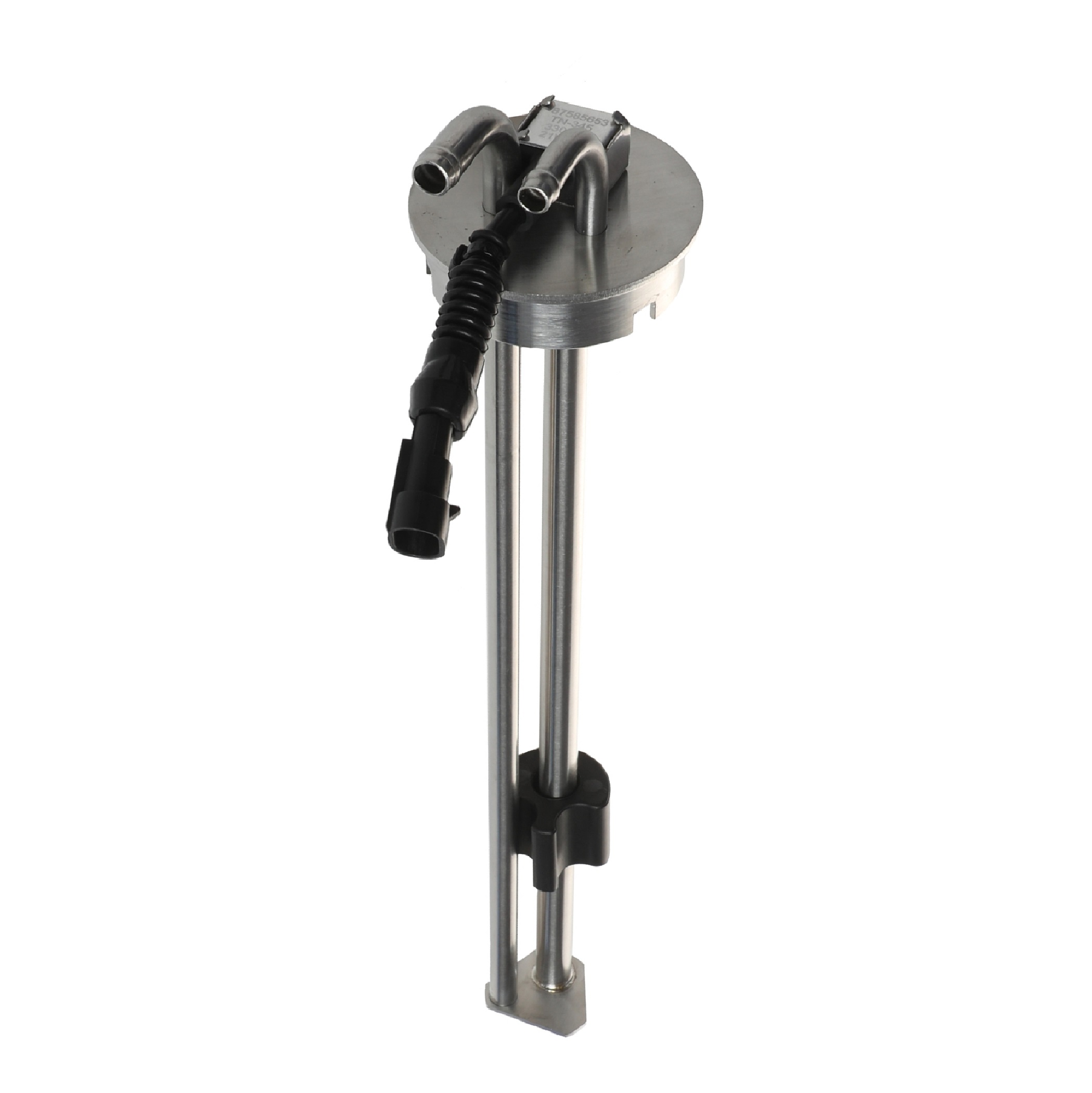
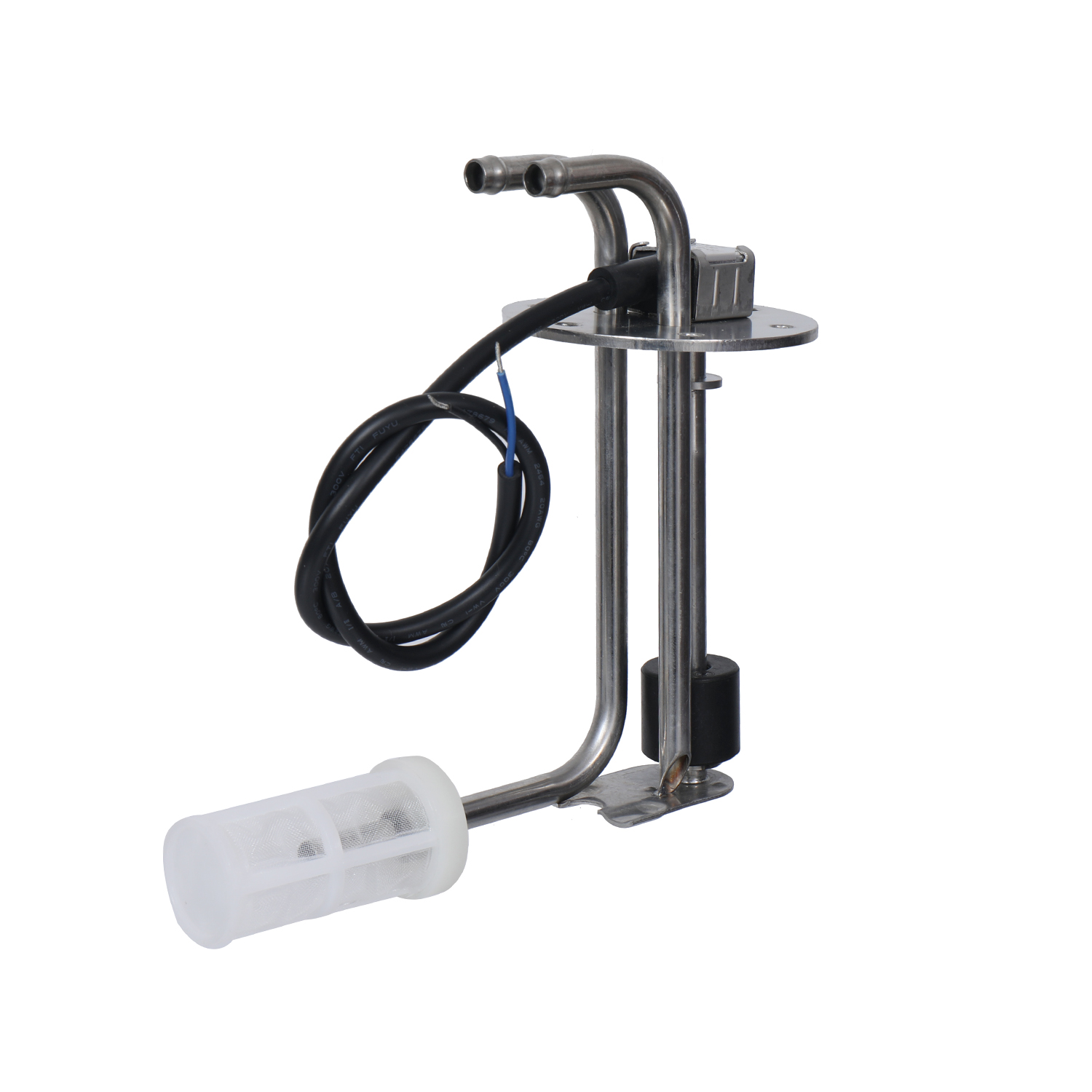
The fuel level sensor is responsible for detecting how much fuel is in your vehicle’s tank. This is done through a mechanism within the sensor that consists of a float and a resistive element. As the fuel level changes, the float moves, altering the resistance, which the vehicle’s onboard computer interprets to display the fuel level on the gauge.
Float Mechanism:The float mechanism is a crucial component in the fuel level sensor system. It works by floating on top of the fuel inside the tank. As fuel is consumed or added, the level changes, causing the float to either rise or fall accordingly.
● Design: The float is typically made from a lightweight, durable material that can resist fuel-related corrosion. It is usually a hollow, buoyant component that maintains buoyancy regardless of the type of fuel.
● Movement: As the fuel level increases, the float moves upward, and as the fuel level decreases, the float moves downward. The movement is proportional to the changes in fuel levels, giving an accurate reading to the sensor.
● Positioning: In many systems, the float is attached to an arm that moves along a track or along a resistive element. This movement is what allows the sensor to detect the fuel level precisely.
The float mechanism serves as a simple yet effective way to directly respond to fuel changes, providing real-time data for the vehicle's fuel gauge.
Resistive Element:The resistive element works alongside the float to turn the physical movement of the float into an electrical signal that the vehicle can interpret as the fuel level.
● Material: The resistive element is typically a conductive strip or a carbon-based resistor. As the float moves, it either increases or decreases the resistance depending on its position along the strip.
● How It Works: When the float moves upward, it causes the resistance to decrease, indicating a higher fuel level. Conversely, when the float moves downward, the resistance increases, indicating a lower fuel level. This change in resistance is detected by the vehicle’s onboard computer.
● Electrical Signal: The onboard computer uses the change in resistance to calculate and display the fuel level on the vehicle’s fuel gauge. This continuous electrical feedback allows for the accurate tracking of fuel levels, ensuring that the driver has the most up-to-date information.
In essence, the float mechanism and resistive element work in tandem to provide an accurate, real-time representation of the fuel level in your vehicle. They are simple but effective technologies that have been in use for many years, contributing to the overall reliability of the vehicle’s fuel gauge system.
Types of Fuel Level Sensors
There are two main types of fuel level sensors:
Sensor Type | Description | Advantages | Disadvantages |
Resistive Sensors | These are the most common. A float moves along a resistive strip, changing the electrical resistance. | Simple design, widely used in most vehicles. | Can wear out over time, may offer lower accuracy. |
Capacitive Sensors | Use changes in capacitance to measure the fuel level, offering higher accuracy. | More accurate, resistant to wear, longer lifespan. | Higher cost, more complex technology. |
Where is the Fuel Level Sensor Located?
Common Locations in Most Vehicles
In most vehicles, the fuel level sensor is located inside the fuel tank. It’s typically part of the fuel sending unit, which also houses the fuel pump. The sensor floats on top of the fuel in the tank, adjusting its position as the fuel level changes.
Vehicle Type | Location of Fuel Level Sensor |
Sedans and SUVs | Inside the fuel tank, connected to the fuel pump assembly. |
Trucks and Larger Vehicles | Multiple sensors for larger or dual fuel tanks, typically in the fuel tank assembly. |
Luxury Vehicles | Integrated into the fuel tank assembly with advanced sensor systems for precision. |
Fuel Tank Access Points
Accessing the fuel level sensor in most modern vehicles often requires removing a portion of the interior or accessing a special panel:
Access Method | Location | Vehicle Types |
Back Seat or Floor Panel | Remove the back seat or a panel in the floor to access the fuel tank. | Most sedans and compact cars. |
Trunk Access Panel | A panel beneath the trunk gives direct access to the fuel tank. | Larger sedans, hatchbacks, and some SUVs. |
Differences by Vehicle Type
The exact location of the fuel level sensor can vary based on the type of vehicle:
Vehicle Type | Fuel Level Sensor Location |
Trucks and Larger Vehicles | Multiple sensors in different parts of the tank, especially for dual tanks. |
Luxury Vehicles | Integrated high-precision sensors inside the fuel tank assembly. |
How to Diagnose Fuel Level Sensor Issues
Symptoms of a Malfunctioning Fuel Level Sensor
A faulty fuel level sensor can result in inaccurate fuel gauge readings. Common symptoms include:
Symptom | Description |
Erratic Readings | The fuel gauge fluctuates or shows inconsistent levels. |
Stuck Gauge | The gauge may freeze at a particular point (full or empty). |
No Fuel Gauge Movement | The fuel gauge doesn’t move at all, regardless of fuel changes. |
Tools You May Need for Diagnosis
To diagnose issues with your fuel level sensor, you may need:
Tool | Purpose |
Multimeter | Check the electrical resistance in the sensor. |
OBD-II Scanner | Reads diagnostic trouble codes from your vehicle’s computer. |
Note: If you’re not familiar with these tools, it may be best to consult a professional mechanic to avoid causing further damage.
How to Replace a Faulty Fuel Level Sensor
Steps to Replace the Fuel Level Sensor
Replacing the fuel level sensor involves several steps. Here’s a general outline:
Step | Description |
Step 1: Remove Access Panel | Depending on your vehicle, remove the back seat or floor panel to access the tank. |
Step 2: Disconnect Fuel Lines | Carefully detach the fuel lines and electrical connectors from the fuel pump. |
Step 3: Remove the Old Sensor | Unscrew or unbolt the old sensor from the fuel pump assembly. |
Step 4: Install the New Sensor | Place the new sensor in position and reattach the fuel lines and connectors. |
Professional Help vs DIY
While some car enthusiasts may attempt to replace the fuel level sensor themselves, it’s generally recommended to seek professional help. Removing and reinstalling the sensor requires precision and proper handling of the fuel system, and a mistake can lead to fuel leaks or other damage.
DIY | Professional Help |
Pros | Cost savings, hands-on experience. |
Cons | Risk of damaging the fuel system, potential fuel leaks. |
Best For | Car enthusiasts with experience or simple issues. |
Best For | Ensuring safety, precision, and avoiding further damage. |
Tip: If you choose to DIY, ensure you have a detailed guide for your specific vehicle model to avoid errors.
The Role of Fuel Level Sensors in Modern Cars
Integration with Advanced Vehicle Systems
In modern vehicles, the fuel level sensor is integrated with the vehicle’s onboard computer and fuel management systems. This integration offers several advantages:
Advantage | Description |
Advanced Diagnostics | Provides diagnostic codes that help identify fuel system issues. |
Fuel Efficiency Optimization | Allows the vehicle’s system to optimize fuel consumption. |
Impact on Fuel Efficiency and Vehicle Performance
A properly functioning fuel level sensor helps your vehicle maintain optimal fuel efficiency. It ensures that the vehicle’s fuel management system is working effectively, preventing unnecessary fuel waste and improving overall performance.
Impact | Description |
Fuel Efficiency | Helps optimize fuel consumption by providing accurate readings. |
Vehicle Performance | Ensures that the fuel system operates within proper parameters. |
Note: Inaccurate readings from a faulty fuel level sensor can lead to inefficient fuel use, potentially increasing fuel consumption.
How to Maintain Your Fuel Level Sensor
Regular Inspection and Cleaning
To ensure the longevity and accuracy of your fuel level sensor, it’s important to perform regular inspections. This includes cleaning the sensor to remove any debris that might affect its operation. It’s a good idea to have it checked during regular vehicle maintenance.
Maintenance Task | Frequency | Benefits |
Inspecting Fuel Level Sensor | Every 6 months or during routine service. | Prevents malfunctions, improves sensor accuracy. |
Cleaning the Sensor | As needed, especially if debris is present. | Prevents debris from affecting sensor operation. |
Signs That It’s Time for a Replacement
If you notice any of these signs, it may be time to replace the fuel level sensor:
Sign | Indication |
Erratic Gauge Readings | The fuel gauge shows fluctuating or inconsistent levels. |
Inconsistent Fuel Measurement | The sensor fails to register fuel changes accurately. |
Warning Lights | Dashboard warning lights indicate a fuel system issue. |
Conclusion
Understanding the location and function of the fuel level sensor is essential for vehicle maintenance. At Bluefin, we know that it plays a crucial role in helping you monitor fuel levels accurately, preventing unnecessary stops at the gas station, and optimizing fuel usage. Whether diagnosing a malfunction, replacing the sensor, or maintaining its performance, knowing where the fuel level sensor is located can save you time, money, and frustration. Always consider professional assistance from experts like Bluefin when dealing with fuel system components to ensure safety and proper function.
FAQ
Q: Where is the fuel level sensor located?
A: The fuel level sensor is typically located inside the fuel tank, attached to the fuel pump module. It is part of the fuel sending unit, which floats on top of the fuel and adjusts as the fuel level changes.
Q: What is a fuel level sensor?
A: A fuel level sensor is a device that measures the amount of fuel in your vehicle's tank. It converts the fuel level into an electrical signal, which is sent to the vehicle’s fuel gauge to provide real-time information to the driver.
Q: How does a fuel level sensor work?
A: The fuel level sensor uses a float mechanism that rises or falls with the fuel level. This movement alters the resistance in the sensor, which the vehicle’s computer interprets to display the current fuel level on the dashboard.
Q: Why is my fuel level sensor not working?
A: If the fuel level sensor isn’t working, it could be due to a malfunctioning float, damaged wiring, or a faulty resistive element. It’s essential to diagnose and replace the sensor if needed to ensure accurate fuel readings.


