In modern industries, automotive systems, and household appliances, monitoring liquid levels is crucial to ensure safety, efficiency, and reliable operation. One of the most important devices used for this purpose is the level switch. But what exactly does a level switch do?
A level switch is designed to detect the level of liquids or solids within a container and trigger an action, such as turning a pump on or off, sending an alarm, or controlling a valve. Without a level switch, many systems would face the risk of overflow, dry running, or operational failure.
Level switches are versatile and come in a variety of designs, making them suitable for both small-scale applications like household water tanks and large-scale industrial tanks. Their compact size, combined with their precision in detecting liquid levels, makes them indispensable in modern automated systems.
In this article, we will explore the primary function of a level switch, how it works, its real-life applications, benefits, selection criteria, and answer frequently asked questions. By the end, you will have a comprehensive understanding of what a level switch does and why it is essential in various industries.
1. The Primary Function of a Level Switch
A level switch serves a very straightforward but critical purpose: it monitors the level of liquid or solid material in a container and triggers a control mechanism when certain thresholds are reached.
1.1 Detecting Liquid Levels
The main function of a level switch is to detect when a liquid reaches a predefined level. This can be the minimum level, maximum level, or a specific intermediate point. Level switches can be adjusted or designed to respond to a variety of liquid types, densities, and viscosities, ensuring compatibility with different operational requirements.
Maximum level detection: Prevents overflow in water tanks, fuel tanks, or chemical storage tanks. This is crucial for avoiding spills, environmental hazards, or damage to equipment.
Minimum level detection: Protects pumps from running dry, which can cause mechanical damage or inefficiency in the system. Dry running can lead to increased maintenance costs and shorten equipment lifespan.
1.2 Triggering Control Systems
Once a level switch detects the target level, it sends a signal to control devices, such as:
Pumps: Turn on/off to maintain liquid levels consistently. By automating pump control, systems avoid overfilling or depletion, which could otherwise result in process interruptions.
Valves: Open or close to regulate liquid flow. This ensures precise control over fluid distribution and supports continuous operation without manual intervention.
Alarms: Notify operators of abnormal conditions, allowing timely corrective actions to maintain system stability.
Through these mechanisms, the level switch not only monitors the liquid level but actively participates in controlling the system to maintain optimal performance.
1.3 Ensuring Safety and Efficiency
The level switch plays a key role in preventing accidents and maintaining efficient operations. By constantly monitoring liquid levels, it helps systems operate within safe parameters, reducing risks such as equipment malfunction, system downtime, or hazardous leaks. Additionally, level switches contribute to energy efficiency by preventing unnecessary operation of pumps or valves, thereby optimizing operational costs.
2. How a Level Switch Works
Level switches can operate using different principles, but their main goal is always the same: detect a liquid or solid level and activate an output. Understanding the working mechanisms helps in selecting the right switch for specific needs.
2.1 Float Level Switches
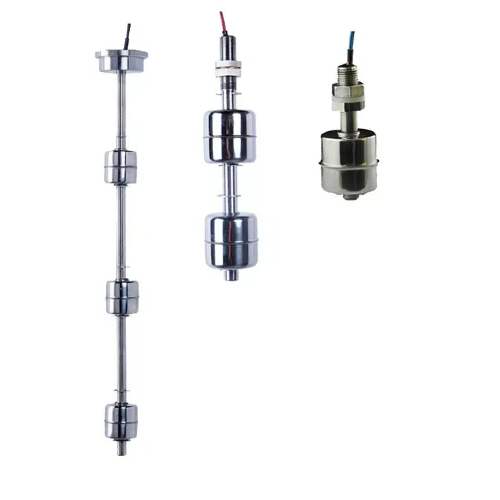
Float level switches use a floating component that rises or falls with the liquid surface. When the float reaches a predefined level, it actuates a mechanical or magnetic switch.
Advantages: Simple, cost-effective, and reliable for most liquid types. They require minimal maintenance and provide consistent performance over long periods.
Operational Details: The float can be designed to respond to a wide range of liquids, and the mechanical or magnetic switches are robust enough to handle frequent actuation without degradation.
2.2 Conductive Level Switches
Conductive switches detect liquid levels based on electrical conductivity. When a conductive liquid touches two electrodes, it completes an electrical circuit, triggering an alarm or control system.
Advantages: Suitable for electrically conductive liquids like water or certain chemicals. They are often used where mechanical components are undesirable or where precise electronic control is needed.
Operational Details: Conductive level switches can provide quick response times and can be integrated into automated control systems for continuous monitoring.
2.3 Optical Level Switches
Optical level switches use light refraction or reflection. When the liquid touches the sensor, the light behavior changes, activating the output.
Advantages: No moving parts, compact, and precise for small tanks or containers. This makes them ideal for applications requiring minimal maintenance and high sensitivity.
Operational Details: Optical switches can detect small changes in liquid levels with high accuracy, ensuring reliable operation even in challenging conditions.
2.4 Vibrating and Capacitive Level Switches
Vibrating and capacitive switches are ideal for high-viscosity liquids, powders, or granular materials. They detect changes in vibration or capacitance when the material reaches the sensor.
Advantages: Works with solids and liquids, resistant to harsh environments. These switches are particularly effective where traditional float or conductive switches may fail due to viscosity, foam, or contamination.
Operational Details: Vibrating switches operate by measuring the natural frequency of a sensor element, while capacitive switches detect changes in dielectric properties. Both methods allow precise monitoring in difficult conditions.
3. Real-Life Applications of a Level Switch
A level switch is widely used across multiple industries due to its ability to protect equipment and automate processes. While we will not delve into specific case studies, the general applications highlight the versatility of level switches.
3.1 Automotive Applications
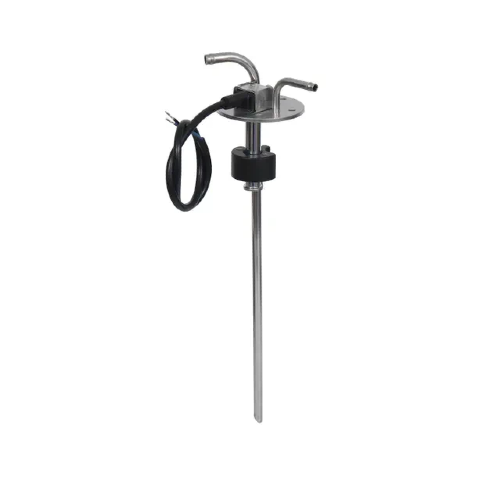
In automotive systems, level switches are primarily used to detect and maintain fluid levels essential for vehicle operation. They ensure that fuel, oil, and coolant are maintained at optimal levels to prevent engine or system failure.
3.2 Industrial Machinery
Industrial equipment relies on level switches to prevent equipment damage and maintain operational stability. These switches help control fluid levels in tanks, reservoirs, and processing equipment, ensuring that pumps and other devices operate efficiently.
3.3 Home Appliances
Level switches are increasingly implemented in household appliances to enhance safety and convenience. They automatically monitor water levels in tanks and control device operation to prevent dry running or overflow, improving reliability and user experience.
4. Benefits of Using a Level Switch
Using a level switch offers numerous advantages that go beyond simply measuring liquid levels.
4.1 Safety Protection
Level switches play a critical role in preventing overflows and equipment damage. By providing accurate detection and control, they reduce the risk of accidents in industrial and household environments.
4.2 Operational Efficiency
Level switches help automate the operation of pumps, valves, and alarms. This reduces the need for constant human monitoring, ensuring that processes remain uninterrupted and efficient.
4.3 Reliability and Longevity
High-quality level switches are designed to withstand harsh conditions, including temperature fluctuations, pressure variations, and chemical exposure. This ensures consistent performance over extended periods, minimizing maintenance requirements and operational disruptions.
4.4 Customization Options
Level switches can be tailored to specific applications. Customization may include adjustments to float size, materials, installation lengths, and output signals. This flexibility ensures that the level switch can operate effectively across a wide range of applications, providing both precision and durability.
5. Choosing the Right Level Switch
Selecting the appropriate level switch is crucial to ensure it performs its intended function. Several factors should be considered:
5.1 Liquid or Material Type
Different level switches are optimized for various liquid types, viscosities, and conductivities. Choosing the correct type ensures accurate detection and reliable operation.
5.2 Tank Size and Installation Environment
The dimensions of the container, environmental conditions, and space constraints all influence the choice of a level switch. Selecting a compatible switch ensures proper installation and long-term reliability.
5.3 Output Type
Mechanical switches provide simple ON/OFF signals.
Electronic switches allow integration with PLCs or automated control systems for more complex monitoring and data collection.
5.4 Customization Needs
Customization ensures the level switch can meet specific operational requirements, such as unusual tank shapes, liquid types, or signal output specifications. Proper selection maximizes the switch’s effectiveness and contributes to overall system performance.
Example Table: Selecting a Level Switch Based on Application
Application Type | Recommended Level Switch Type | Reason/Benefit |
Automotive Fuel Tank | Float Level Switch | Reliable, simple installation |
Industrial Chemical Tank | Conductive or Vibrating Level Switch | Resistant to harsh chemicals |
Home Appliance Water Tank | Optical Level Switch | Compact, no moving parts, precise |
6. Conclusion
A level switch is far more than a simple device that measures liquid or solid levels—it is a vital component that ensures safety, efficiency, and automated control across a wide range of industries. Whether in automotive fuel systems, industrial oil and chemical tanks, or household water appliances, a level switch provides continuous monitoring and precise control, helping to prevent equipment damage, overflows, or dry running.
Choosing the right type of level switch and investing in high-quality devices is key to achieving long-term reliability and consistent performance. For engineers, operators, and users who require accurate, durable, and customizable liquid level solutions, understanding what a level switch does is just the first step. To explore advanced options, tailored solutions, and expert guidance, it is highly recommended to reach out to Bluefin Sensor Technologies Limited, a trusted manufacturer specializing in precision level switches designed to meet diverse industrial and domestic applications. Their team can help identify the most suitable solution for your specific needs, ensuring safety, efficiency, and seamless operation.
7. FAQ
What liquids can a level switch detect?
Water, fuel, oils, chemical liquids, and certain viscous or particulate materials.
Can level switches prevent equipment damage?
Yes, by automatically controlling liquid levels, they reduce the risk of overflow or dry running.
Are level switches suitable for home appliances?
Absolutely. They ensure safe and reliable operation in water tanks, dispensers, and other devices.
Can level switches be customized?
Yes. Parameters like float size, material, and signal output can be tailored to specific operational requirements.
How does a level switch improve operational efficiency?
Real-time monitoring reduces manual intervention and ensures continuous, efficient system operation.


