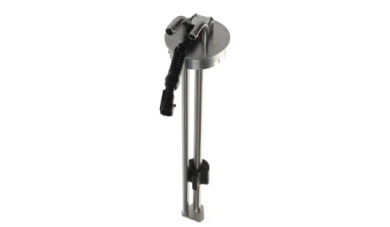
When working with TN level sensors in environments exposed to extreme conditions, it’s essential to understand the significance of IP ratings—specifically, IP67 and IP69K. These ratings are not just numbers; they define how well a sensor can withstand environmental challenges like water, dust, and other harsh elements. For industries such as food processing, agriculture, or oil and gas, where sensors often face wet, dusty, or high-pressure conditions, knowing the right IP rating for your level sensor can make the difference between reliable performance and costly equipment failure.
At Bluefin Sensor Technologies Limited, we understand how crucial it is for level sensors to provide consistent performance, even in the most challenging environments. Our commitment is to deliver high-quality sensors that meet rigorous standards for protection, ensuring you get the best possible reliability and longevity from your investment.
In this article, we will explore the differences between IP67 and IP69K ratings, how they apply to TN level sensors, and why these ratings are essential for ensuring optimal performance in harsh environments. By the end, you'll have a better understanding of how to choose the right sensor for your needs, whether you're dealing with submersion in water or high-pressure cleaning conditions.
What Do IP67 and IP69K Ratings Mean?
IP ratings are part of the international standard IEC 60529, which classifies the degree of protection offered by electrical enclosures against dust, water, and other potentially harmful substances. This system is widely used to determine how well a device, like a TN level sensor, can withstand environmental challenges. The rating consists of two digits: the first number indicates protection against solid objects (like dust), and the second number indicates protection against liquids (like water). These ratings are essential in helping industries understand the level of environmental resistance their equipment can offer, ensuring longevity, reliability, and performance in demanding conditions.
Understanding the meaning of the IP67 and IP69K ratings specifically is critical when selecting sensors for harsh environments. The following is a detailed breakdown of each rating and what it means for your equipment’s performance.
IP67 Rating
An IP67 rating signifies that the equipment offers a high level of protection against both dust and water. Let’s break down the components of this rating:
· The first digit "6" indicates that the sensor is completely dust-tight. This means no dust or other solid particles can enter the device, which is essential for ensuring the sensor operates smoothly, especially in dusty or dirty environments such as industrial plants or construction sites.
· The second digit "7" indicates that the sensor can withstand temporary immersion in water up to a depth of 1 meter for a duration of up to 30 minutes. This level of water resistance ensures that the sensor can handle occasional exposure to water, such as splashes, spills, or even brief immersion, without malfunctioning.
For many level sensor applications, the IP67 rating offers more than adequate protection, especially when the sensor is used in environments with occasional exposure to moisture or splashing water. Typical applications for sensors with this rating include areas like wastewater treatment plants, general industrial environments, or outdoor settings where water exposure is a concern, but constant submersion is unlikely. The ability to withstand brief exposure to water adds an extra layer of reliability in these applications, ensuring that the sensors continue to function correctly without being damaged.
IP69K Rating
In contrast to IP67, the IP69K rating provides an even higher level of protection against both dust and water. Here’s how it works:
· The "6" still means the sensor is fully dust-tight, preventing any dust or solid particles from entering the device.
· The "9K" indicates that the sensor can endure high-pressure water jets and can handle exposure to high-temperature water. Specifically, sensors with an IP69K rating can withstand water pressure up to 100 bar (1450 psi) and temperatures up to 80°C (176°F) for short periods of time. This makes them ideal for environments where high-pressure washdowns, steam cleaning, or frequent exposure to extreme moisture is a regular occurrence.
The IP69K rating is particularly important for industries that prioritize hygiene and cleanliness, such as food processing, pharmaceuticals, and automotive manufacturing. These industries often require equipment that can endure frequent high-pressure washing or steam treatments to meet cleanliness standards. For example, food processing plants must ensure that sensors and equipment are resistant to intense cleaning methods to prevent contamination while maintaining reliable performance.
If your TN level sensor will be exposed to high-pressure washdowns, frequent steam cleaning, or environments with consistent exposure to extreme moisture, the IP69K rating is a must-have. This level of protection guarantees that the sensor will continue to operate effectively, even when subjected to harsh cleaning protocols or high-pressure conditions.
Why IP67 and IP69K Ratings Matter for TN Level Sensors
The right IP rating ensures your TN level sensor will perform effectively without failure, even in the most challenging conditions. Understanding the environmental demands and selecting a sensor with the appropriate rating ensures long-term reliability and reduced downtime. Below, we’ll highlight the importance of these ratings for common applications of TN level sensors.
In Harsh Industrial Environments
Many industrial environments involve exposure to water, dust, chemicals, and high temperatures. Whether you're monitoring levels in storage tanks, silos, or chemical reactors, your level sensor needs to be able to endure these conditions. In environments where dust is a constant concern, an IP67-rated sensor will prevent particles from entering the sensor casing and affecting the electronics.
For Outdoor Applications
For outdoor applications such as tank monitoring in remote locations or agricultural systems, sensors are often exposed to rain, snow, and extreme temperatures. The IP67 rating ensures that these sensors can withstand temporary water immersion, protecting them against unpredictable weather. For applications requiring frequent cleaning or exposure to high-pressure jets (e.g., agricultural machinery), an IP69K rating will guarantee that the sensor can resist the elements and continue operating reliably.
Reducing Maintenance and Downtime
A well-protected sensor means less frequent maintenance and a reduced risk of downtime. The IP67 and IP69K ratings contribute significantly to this by protecting the sensor from external damage that could compromise its operation. Preventing dust and water ingress ensures that your level sensors continue to deliver accurate readings, ultimately saving you money on repairs and replacements.
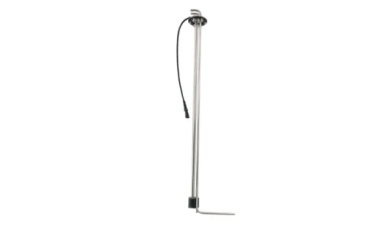
Choosing the Right IP Rating for Your TN Level Sensor
The selection of the appropriate IP rating largely depends on the specific environmental conditions and the expected challenges the sensor will face. For example, if your TN level sensor will be exposed to occasional moisture or light splashing, an IP67-rated sensor will likely suffice. However, if your equipment will experience consistent exposure to high-pressure water, steam, or extreme temperatures, IP69K-rated sensors should be prioritized.
IP67 vs. IP69K: When to Choose Each
Feature | IP67 | IP69K |
Dust Protection | Completely dust-tight | Completely dust-tight |
Water Protection | Protected against temporary immersion (1 meter) | Withstands high-pressure water jets and steam |
Applications | General industrial, wastewater, outdoor | Food processing, pharmaceuticals, high-pressure environments |
Maintenance Needs | Lower maintenance due to dust protection | Less frequent maintenance due to higher durability under extreme conditions |
How IP67/IP69K Ratings Affect Sensor Performance
Choosing the right IP rating for your TN level sensor is crucial for ensuring long-lasting and consistent performance. By selecting a sensor with an IP67 or IP69K rating, you're safeguarding your investment against failures due to environmental exposure. These ratings protect the internal components of the sensor, which is crucial for accurate measurements in industrial processes that rely on precise level readings.
Furthermore, selecting the correct IP rating reduces downtime and maintenance costs. When sensors perform reliably without being affected by water or dust ingress, it leads to fewer breakdowns and longer service life. As a result, you can achieve consistent throughput and production efficiency, which ultimately contributes to cost savings.
Conclusion
Selecting the right TN level sensor with the appropriate IP rating is critical for industries that operate in harsh or challenging environments. Whether you need a reliable IP67-rated sensor for general industrial use or a high-pressure-resistant IP69K-rated sensor for food processing or outdoor applications, understanding the key differences in protection levels will help you make an informed decision.
At Bluefin Sensor Technologies Limited, we specialize in providing high-quality sensors designed to meet a wide range of environmental needs. Our TN level sensors are engineered for durability, reliability, and accuracy, ensuring that your processes run smoothly with minimal downtime. If you're looking for a sensor solution that can handle the toughest environments, contact us to learn more about our advanced sensor technology.
FAQ
1. What is the difference between IP67 and IP69K ratings?
IP67 protects against temporary immersion in water, while IP69K offers higher protection against high-pressure and high-temperature water jets.
2. Can IP67-rated sensors be used in outdoor environments?
Yes, IP67-rated sensors are dust-tight and can handle occasional immersion in water, making them suitable for outdoor use.
3. Why is the IP69K rating important for food processing?
The IP69K rating ensures that sensors can withstand high-pressure cleaning and steam, which is crucial for maintaining hygiene in food processing facilities.
4. How does the right IP rating impact sensor lifespan?
Choosing the correct IP rating protects the sensor from dust and water damage, reducing the likelihood of equipment failure and extending its lifespan.


