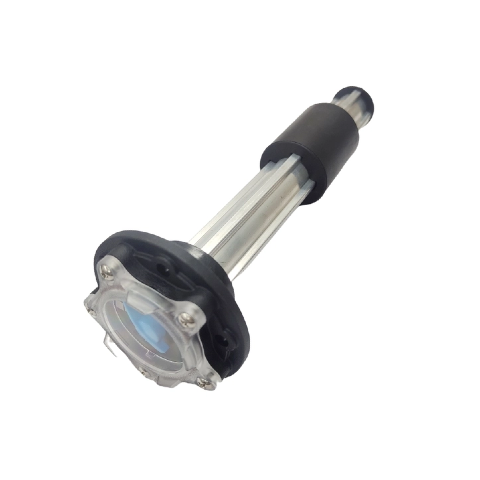
Mechanical level gauges are essential tools for precise liquid measurement in industrial tanks and systems. Whether monitoring fuel, water, or diesel levels, proper installation and maintenance are critical for accuracy and long-term performance. At Bluefin Sensor Technologies Limited, we specialize in providing durable and highly reliable mechanical level gauges designed for industrial and commercial applications. This guide walks you through the complete installation, commissioning, and maintenance process to ensure your gauges operate efficiently, offering practical tips for installers, technicians, and maintenance teams while helping businesses maintain operational efficiency and reduce downtime.
Pre-Installation Checklist
Before beginning installation, preparing the tank and materials is vital to prevent operational issues. A thorough pre-installation review ensures smooth installation and long-term gauge reliability.
Tank Access: Verify that the tank is safely accessible and properly drained if required. Ensure there is adequate space for the gauge, associated hardware, and tools for installation.
Mounting Type: Determine whether a top-mount or side-mount installation is required. Spiral gauges often use top-mount connections, while float level sensors can be installed on the side. Proper mounting orientation ensures accurate readings and prevents mechanical interference.
Flange Size and Type: Confirm that the mounting flange matches your tank specifications. Proper flange alignment reduces the risk of leaks and ensures stable installation. Double-check bolt patterns and dimensions to avoid misfits.
Sealing Materials: Select appropriate gaskets and sealants compatible with the tank liquid to avoid chemical corrosion and maintain a secure seal. Consider temperature variations, chemical properties, and vibration tolerance when choosing materials.
Material Compatibility: Ensure that gauge materials (stainless steel, brass, or aluminum) are compatible with the liquid being measured, avoiding reactions that may damage the sensor or tank. Choosing corrosion-resistant materials enhances long-term durability.
Conducting this pre-installation checklist reduces potential downtime and increases the operational lifespan of mechanical level gauges.
Step-by-Step Installation
Installing mechanical level gauges correctly is critical for accurate liquid level readings. Each type of gauge requires specific procedures to ensure reliable performance.
Top-Mount Spiral Gauge Installation
Positioning the Gauge: Align the spiral gauge over the mounting flange on the tank. Ensure the spiral is vertical and unobstructed by internal tank components. Proper orientation prevents measurement errors caused by misalignment.
Securing the Flange: Insert bolts through the flange holes and tighten evenly in a crisscross pattern to ensure a uniform seal. Use a torque wrench to avoid over-tightening, which could warp the gauge body.
Sealing: Place a gasket or sealing ring between the gauge flange and the tank opening. Ensure the material is compatible with the tank liquid. Apply sealant as needed to prevent leaks during pressurized operation.
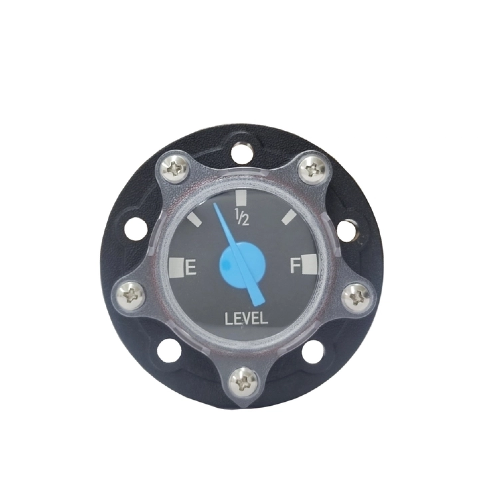
Pointer Adjustment: Check that the indicator pointer moves freely along the calibrated scale. Avoid forcing the pointer during initial installation. A smooth pointer ensures accurate real-time readings.
Side-Mount Float Level Sensor Installation
Position the Sensor: Determine the correct insertion depth based on tank height and fluid density. Mount the float sensor so the float moves unobstructed along the measurement stem.
Flange Attachment: Secure the side flange to the tank wall with appropriate bolts and gaskets. Ensure no misalignment occurs, which could cause leaks or inaccurate readings.
Movement Check: Gently move the float along its path to confirm smooth operation. Any friction or obstruction may require repositioning or internal tank modifications. Inspect for potential sediment accumulation points that could interfere with float movement.
Wiring and Electrical Notes
Some mechanical level gauges are equipped with transmitters, alarms, or switches. Electrical connections should follow manufacturer specifications:
Use proper wire gauges and protective conduits to prevent shorts or interference.
Ground all metallic components to prevent electrical hazards.
Verify that switches or transmitters respond accurately to float movement before commissioning.
Label wiring for easy identification during future maintenance or troubleshooting.
Commissioning and Calibration
After installation, gauges must be commissioned to ensure accurate operation. Calibration involves simple steps to verify and adjust readings.
Indicator Accuracy Check: Fill the tank incrementally and observe gauge readings. Compare with a known reference measurement to confirm accuracy.
Calibration Adjustments: If readings deviate, adjust the pointer or float assembly according to manufacturer instructions. Some spiral gauges include a calibration screw for minor adjustments.
Leak Inspection: Conduct an initial leak check around flanges, gaskets, and connections. Correct any leakage before full-scale operation.
Proper commissioning ensures that mechanical level gauges deliver precise and reliable measurements from day one, reducing operational risks and minimizing future troubleshooting needs.
Routine Maintenance Schedule
Mechanical level gauges require periodic inspections to maintain accuracy and extend service life. Establishing a routine maintenance schedule prevents unexpected failures.
Weekly Checks: Inspect the pointer movement and ensure there are no visible leaks. Clean the external surface to remove dust or residue that may interfere with gauge operation.
Quarterly Maintenance: Examine floats for sediment buildup or corrosion. Lubricate moving parts if applicable. Verify electrical connections and transmitter operation for gauges with integrated sensors. Also, check for signs of wear on springs or indicator mechanisms.
Annual Maintenance: Conduct a complete internal inspection of the float and spiral assembly. Replace worn gaskets, springs, or dials as needed. Cleaning internal components ensures smooth operation and prevents measurement drift. Consider recalibrating the gauge after major cleaning or part replacement.
Routine maintenance improves the reliability of your mechanical level gauges, reduces unexpected downtime, and prolongs the life of tank monitoring systems.
Troubleshooting Common Issues
Even well-maintained mechanical level gauges may occasionally experience operational problems. Recognizing common issues and applying quick fixes can minimize disruptions.
Stuck Pointer: Often caused by debris or friction in the spiral assembly. Remove the obstruction and verify smooth movement. Regular cleaning reduces this risk.
Slow Response: Check for sediment accumulation on the float or within the spiral. Clean the components and ensure proper float buoyancy. Adjust float tension if needed.
Leaks: Tighten flange bolts evenly and inspect gaskets for wear or improper placement. Replace any defective sealing materials. Ensure bolts are not over-tightened, which can distort the flange.
Calibration Drift: Recheck the gauge against a reference measurement. Adjust pointer or float position as needed, and ensure the gauge is not exposed to extreme vibrations or temperature fluctuations.
Timely troubleshooting preserves gauge accuracy, reduces operational risk, and helps maintain safety standards in industrial facilities.
When to Repair vs Replace
Knowing when to repair or replace components is crucial for efficient maintenance management. Bluefin Sensor Technologies offers a comprehensive spare parts guide for mechanical level gauges.
Repair Options: Minor issues such as worn gaskets, springs, or dials can often be resolved without full replacement. Keep spare parts available for quick fixes.
Replacement Indicators: Significant corrosion, structural damage, or repeated calibration drift may require full gauge replacement to maintain measurement integrity.
Custom Service Options: Bluefin provides tailored maintenance solutions and replacement services, ensuring your gauges operate reliably with minimal downtime.
Understanding these guidelines helps maintenance teams make informed decisions, balancing cost and operational efficiency while maintaining safety and accuracy.
Conclusion
Mechanical level gauges are critical instruments for accurate liquid monitoring in industrial applications. Proper pre-installation preparation, careful installation, regular commissioning, and routine maintenance all contribute to precise and reliable performance. Bluefin Sensor Technologies Limited delivers high-quality mechanical level gauges engineered for durability and accuracy across fuel, water, and diesel systems. Our expert guidance, spare parts, and maintenance solutions ensure operational efficiency and reduce downtime. For more information, product inquiries, or support with mechanical level gauges, contact us today.


