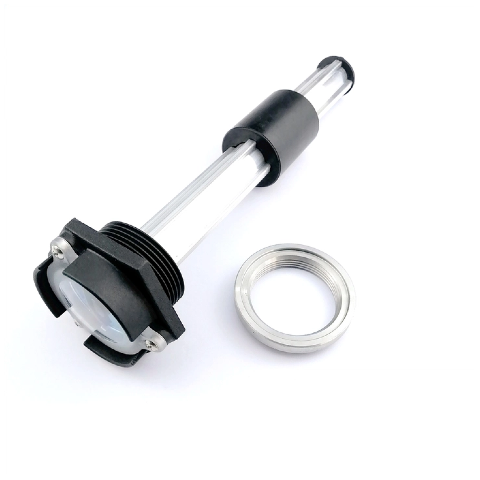
Mechanical Level Gauges play a critical role in accurately monitoring liquid levels across a wide variety of industrial settings. At Bluefin Sensor Technologies Limited, we specialize in designing and manufacturing high-quality Mechanical Level Gauges that provide reliable measurements for fuel, water, diesel, and oil tanks. Understanding where these gauges are most useful helps facility managers, procurement professionals, and engineers select the right instrumentation for their specific applications, ensuring safety, efficiency, and long-term reliability. Beyond simple measurement, these gauges allow operators to optimize operations, prevent costly downtime, and improve overall resource management in both small and large-scale facilities.
Top Industries Using Mechanical Level Gauges
Mechanical Level Gauges have found widespread adoption across several industries due to their robustness, simplicity, and adaptability. Here are the main sectors where these gauges are indispensable:
Marine Industry
In the marine sector, accurate liquid measurement is crucial for both fuel management and ballast control. Mechanical Level Gauges withstand the harsh marine environment, including saltwater corrosion, constant vibrations, and variable temperatures, making them ideal for small vessels, yachts, and commercial ships. For example, yacht operators often rely on float gauges for compact fuel tanks, while commercial ships use spiral gauges for larger storage, ensuring precise monitoring of diesel and water reserves essential for long voyages.
Oil & Gas
Oil and gas operations demand reliable fuel and chemical level monitoring. Mechanical gauges are particularly favored in remote drilling sites or offshore platforms where electrical supply may be limited, ensuring continuous, dependable level readings without relying on electronic components. Their flameproof design options make them suitable for volatile environments, preventing potential hazards while providing accurate fuel or oil measurement during high-pressure operations.
Agriculture
Farmers and agribusinesses use Mechanical Level Gauges for monitoring fuel storage, water tanks, and liquid fertilizers. The simplicity of these gauges makes them easy to install and maintain, reducing downtime during peak planting and harvesting seasons. Spiral and float gauges are commonly used for irrigation water storage and on-farm diesel tanks for tractors and irrigation pumps, ensuring resource efficiency and operational continuity.
Construction
Construction sites often use portable fuel tanks for heavy machinery. Mechanical gauges offer rugged performance in dusty, vibration-heavy environments, providing accurate readings that help project managers prevent operational delays caused by fuel shortages. On large-scale construction projects, multiple fuel tanks may require individual level gauges to coordinate machinery operation schedules effectively, making mechanical gauges a practical choice due to their low-maintenance requirements.
Backup Power Systems
Generators require precise fuel monitoring to ensure uninterrupted operation. Mechanical Level Gauges are ideal for backup power systems, as they provide accurate readings without requiring an external power source, ensuring readiness during power outages. Facilities such as hospitals, data centers, and industrial plants depend on reliable level readings to maintain critical operations during emergencies, where even a short delay can have major consequences.
Water Storage Facilities
Mechanical gauges are widely used for municipal and industrial water storage tanks. Their robust design allows for consistent monitoring of water levels in various environmental conditions, from outdoor reservoirs to indoor utility tanks. They also support rainwater harvesting and water recycling systems, providing a simple yet reliable way to track consumption and optimize water usage for both residential and industrial purposes.
Application Types and Examples
Mechanical Level Gauges can serve a wide range of applications, each tailored to specific operational needs:
Fuel Management
Monitoring fuel tanks in industrial and commercial settings ensures timely refueling and prevents downtime. A spiral content gauge, for instance, can provide precise measurements in large stationary tanks, helping operators maintain optimal fuel levels. By preventing overfilling or running low, facilities can avoid costly interruptions, improve operational efficiency, and comply with safety regulations.
Transfer Tanks
In sectors like oil and gas or construction, liquid transfer tanks rely on float or dial gauges for quick visual assessment. These gauges help operators safely manage liquid transfer without depending on electronic sensors. For example, a mobile fuel transfer tank with a float gauge enables safe refueling of machinery on-site, reducing spillage risks and improving worker safety.
Small Marine Tanks
For recreational boats and yachts, float-level gauges are commonly used in fuel and water tanks. They provide simple, real-time monitoring without the complexity of electronic systems, making them ideal for hobbyist and professional mariners alike. These gauges can also integrate with basic mechanical alarms to alert users when levels are critically low, supporting smooth navigation and operational safety.
Portable Fuel Cubes
Portable fuel cubes used on construction sites or for temporary setups benefit from mechanical gauges that offer easy-to-read measurements and robust durability. This ensures operators can monitor fuel levels safely, even in harsh conditions. Their lightweight construction and ease of installation make them ideal for temporary power solutions or short-term project setups.
Rainwater Tanks
Mechanical gauges in residential and commercial rainwater harvesting systems enable users to monitor water levels effectively. These gauges are resistant to outdoor environmental factors and require minimal maintenance, offering a reliable solution for water conservation. They also support irrigation systems in agricultural or landscaped areas, allowing precise control over water distribution and avoiding overwatering.
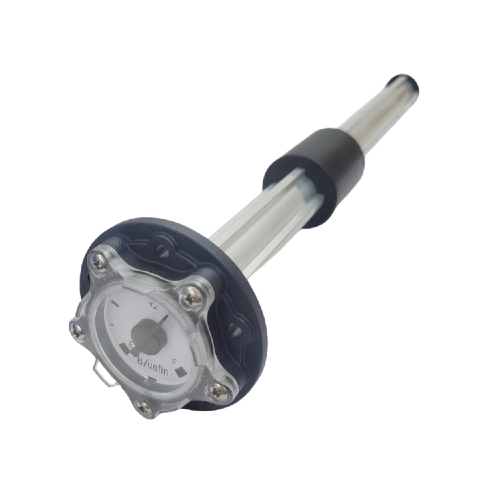
Benefits by Application
The choice of Mechanical Level Gauges is often driven by the specific demands of each industry:
Marine: Robustness and resistance to vibration and saltwater make them suitable for marine environments, ensuring long-term accuracy despite harsh conditions.
Remote Fuel Pumps: Mechanical gauges do not rely on electricity, ensuring continuous operation in off-grid locations where electronic sensors may fail.
Construction and Portable Tanks: Simple retrofitting allows gauges to be added to existing tanks with minimal disruption, making them cost-effective for projects of all sizes.
Industrial Water Systems: Durable materials and clear readings reduce maintenance frequency while improving operational efficiency.
Oil & Gas: Safety features like flameproof headers and corrosion-resistant materials protect both personnel and equipment in high-risk environments.
Model Selection by Use Case
Selecting the appropriate mechanical gauge depends on tank size, liquid type, and operational requirements:
Spiral Gauges: Best for large stationary tanks requiring precise measurement. They offer a clear visual indication and are highly durable in industrial environments. Spiral gauges can also include adjustable scale options for customized measurement ranges, making them flexible across multiple tank sizes.
Float Gauges: Ideal for small to medium tanks, including marine vessels and portable fuel containers. Their simplicity ensures easy integration and reliable performance, even in vibration-heavy or off-grid locations.
Dial Sending Units: Suited for tanks connected to remote monitoring systems. These gauges provide accurate mechanical feedback compatible with visual indicators or alarms, supporting facilities that combine mechanical and electronic monitoring solutions for redundancy.
Proper model selection ensures maximum reliability, extends gauge lifespan, and enhances operational safety, helping facilities optimize their fuel, water, or chemical management processes.
Safety and Compliance Considerations
When implementing Mechanical Level Gauges, safety and regulatory compliance must be addressed:
Flameproof Headers: For applications involving flammable liquids, flameproof construction prevents ignition risks, protecting both personnel and equipment.
Material Compatibility: Diesel, gasoline, and chemical storage require materials resistant to corrosion and chemical reactions, which ensures long-term performance.
Environmental Protection: Mechanical gauges should be rated for outdoor exposure, including resistance to UV, rain, and temperature fluctuations. In harsh climates, choosing corrosion-resistant alloys and sealed components can significantly extend gauge service life.
Inspection and Maintenance: Regular inspection schedules ensure continued reliability. Mechanical gauges typically require less maintenance than electronic alternatives, but periodic checks of float movement, scale calibration, and seals improve accuracy and safety compliance.
Conclusion
Mechanical Level Gauges are essential tools for precise and reliable liquid monitoring across diverse industries, from marine and oil & gas to agriculture, construction, and backup power systems. Bluefin Sensor Technologies Limited offers a wide range of Mechanical Level Gauges, including spiral, float, and dial units, designed for long-lasting performance in demanding environments. By selecting the appropriate gauge model and considering safety and compliance requirements, operators can achieve accurate monitoring, enhanced safety, and operational efficiency. For guidance on choosing the right Mechanical Level Gauges for your fuel, water, or chemical tanks, contact us today at Bluefin Sensor Technologies Limited for application drawings, samples, or expert consultation to meet your specific needs.


