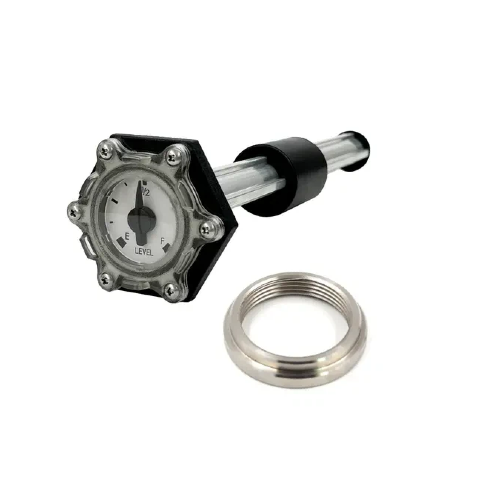
Standards are one of the most confusing parts of tank projects because buyers often see ASME and API mentioned together without knowing whether they apply to the gauge, the tank, the mounting connection, or the wider operating system. That is why Mechanical Level Gauges should be reviewed in their full project context, not as isolated accessories. Bluefin Sensor Technologies Limited supplies gauge and level-sensing solutions for fuel, diesel, and water systems, and a basic understanding of standards helps buyers make safer and more practical decisions from the start.
Why Standards Matter in Tank Level Projects
Standards are not just paperwork
Standards do more than satisfy documentation requirements. They affect safety, equipment compatibility, fabrication quality, inspection expectations, and project confidence. In real tank work, this means the level indication method cannot be separated from the vessel, the connection details, and the operating environment.
Why buyers should understand the system context
A gauge does not work alone. It sits on a tank or vessel, connects through a mounting point, and operates within a filling, monitoring, and maintenance process. That is why standards-aware buying begins with the full tank system rather than with a single catalog item.
What ASME Usually Covers in Level Gauge Applications
ASME is often about the vessel and pressure boundary context
ASME’s standards portfolio includes pressure technology and related construction areas, and its Boiler and Pressure Vessel Code is a major technical resource for the manufacturing, construction, and operation of boilers and pressure vessels. In practical terms, ASME is usually more closely connected to the vessel side of a project than to simple local gauge reading alone.
Why this matters when a gauge connects to a vessel
When a gauge attaches to a tank or pressure-related vessel, the mounting connection, nozzle design, material choice, and fabrication quality all matter. Even if the gauge itself looks simple, the connection point may still need to align with the vessel’s design basis and construction requirements.
What buyers should confirm with vessel-related projects
For vessel-related projects, buyers should confirm whether the tank is atmospheric or pressure-related, what mounting standard is used, how the nozzle or opening is designed, and whether the selected gauge fits those conditions. This makes gauge selection more accurate and reduces avoidable installation or compliance trouble later.
What API Usually Covers in Tank Gauging and Tank Safety
API standards are especially important in petroleum tank operations
API plays a major role in petroleum storage, tank gauging, and overfill prevention. In many petroleum-related projects, API standards shape how tank measurement and safety are managed at the system level, especially in storage and transfer operations.
API MPMS and tank level measurement
API’s Manual of Petroleum Measurement Standards includes Tank Gauging in MPMS Chapter 3, and API’s catalog specifically describes Chapter 3.1A as covering procedures for manually gauging liquid levels of petroleum and petroleum products in certain tank types and marine tank vessels. For buyers, this means API guidance often relates to how level is measured and handled operationally, not just which product is installed.
API 2350 and overfill prevention
API 2350 focuses on overfill prevention for storage tanks in petroleum facilities. API states that the standard helps owners and operators implement a comprehensive overfill prevention system, and its catalog notes that it applies to storage tanks associated with marketing, refining, pipeline, and terminal operations for petroleum liquids. That places level awareness within a broader safety and transfer-management framework.
How These Standards Affect Mechanical Level Gauges in Practice
Gauge selection is linked to tank design and use case
A simple gauge may be used in a generator fuel tank, a diesel storage tank, a water tank, or a more specialized vessel, but the project context changes what matters. Atmospheric storage, petroleum transfer, and pressure-related vessel service do not create the same standard expectations. That is why the tank type and use case should be reviewed before product selection.
Connection type, mounting location, and operating limits
Standards influence design decisions indirectly through the connection type, mounting arrangement, operating medium, and safety expectations of the system. A gauge that appears simple in daily use may still need to match project-specific requirements around the tank opening, operating conditions, and service environment.
Documentation and traceability expectations
Project buyers and OEM customers often need more than a visual level indicator. They may also need product details, material confirmation, and a clear understanding of how the gauge fits into the wider compliance framework of the project. This is one reason standards-aware communication matters before purchase.
Common Mistakes Buyers Make When Reading Standards
Assuming one standard covers everything
One of the most common mistakes is assuming ASME or API alone explains the whole project. In reality, ASME often relates more to vessel and pressure construction, while API often plays a stronger role in petroleum measurement and storage safety. Buyers get better results when they treat standards as complementary rather than interchangeable.
Treating a tank gauge like a stand-alone accessory
Another mistake is treating the gauge as if it has no relationship to the tank, nozzle, mounting method, or operating process. A level gauging device works inside a system, so project success depends on matching the product to that system from the beginning.
Ignoring operation, inspection, and maintenance requirements
Some buyers focus only on installation and forget that standards also influence operation, monitoring, and inspection. That is especially important in petroleum-related applications where gauging and overfill awareness are part of ongoing operating practice rather than one-time setup decisions.
How to Talk to a Supplier About Standards the Right Way
Ask about the tank first, not only the gauge
The best technical discussion starts with the tank. Buyers should explain whether the application involves fuel, diesel, water, petroleum storage, or a pressure-related vessel. That immediately makes the standards context clearer and helps narrow the right solution faster.
Clarify medium, pressure condition, and mounting details
It also helps to provide the liquid type, tank size, pressure condition, mounting location, and connection style. These details influence whether the project is mainly a straightforward local-indication application or part of a broader standards-sensitive tank system.
Confirm what is product data and what is project compliance responsibility
A supplier can help explain product fit, connection options, and application suitability, but buyers should also understand which compliance responsibilities belong to the overall project, vessel design, and operating system. This distinction prevents confusion and leads to more useful inquiries.
ASME vs. API in Mechanical Level Gauging Projects
Topic | ASME focus | API focus | Why buyers should care |
Main concern | Vessel and pressure-related construction | Petroleum measurement and storage safety | Helps define project context |
Typical relevance | Pressure boundary, vessel design, attachments | Tank gauging, measurement practice, overfill prevention | Clarifies what standard family matters most |
Connection to gauge projects | Mounting on vessels and related fabrication issues | Storage operations and tank level management | Improves selection and communication |
Buyer takeaway | Review tank and vessel design basis | Review petroleum operating and safety requirements | Better questions lead to better product fit |
Where Bluefin Sensor Fits in Standards-Aware Projects
Mechanical gauges for fuel, water, and diesel monitoring
Bluefin Sensor’s product range includes mechanical gauges and related level products for fuel, diesel, and water monitoring, with an emphasis on accurate and durable use in challenging environments. That makes these products especially suitable for practical tank applications where local indication and application fit are important.
Customization that supports real installation requirements
Bluefin also emphasizes customized mechanical level gauges and multiple application types, which is useful in projects where tank layout, medium, and mounting details affect product selection. Better project information usually leads to a better gauge match.
Why clear application details improve selection and project success
When buyers provide clear information about the tank, the medium, and the standards context, choosing the right product becomes easier and safer. This is especially true for projects where the gauge must align with more than basic catalog dimensions.
Conclusion
Standards should help buyers ask better questions, not make tank projects feel harder than they need to be. When the tank type, operating conditions, mounting details, and compliance context are clear, selecting the right solution becomes much more straightforward. Bluefin Sensor Technologies Limited supports fuel, diesel, and water applications with practical products and application-focused matching, and the right level gauging system is much easier to specify when the project team understands where ASME matters, where API matters, and how both relate to the real tank. If you are reviewing a standards-sensitive project, contact us to discuss the right solution for your application.
FAQ
1. Does ASME apply directly to mechanical level gauges?
Not always by itself. ASME is often more closely related to the vessel, pressure boundary, and construction context around the gauge rather than only to the local indicator.
2. What API tank gauging standards should buyers know first?
For petroleum-related projects, API MPMS Chapter 3 is important for tank gauging practice, and API 2350 is important for overfill prevention in storage tank operations.
3. Why is system context important when specifying a gauge?
Because the gauge is connected to a tank, mounting point, operating process, and maintenance plan. Standards usually affect the whole system, not just the product body alone.
4. What should I tell a supplier before asking for a standards-aware quote?
You should provide the tank type, medium, pressure condition, mounting details, and intended use. That gives the supplier a much better basis for recommending the right product.


