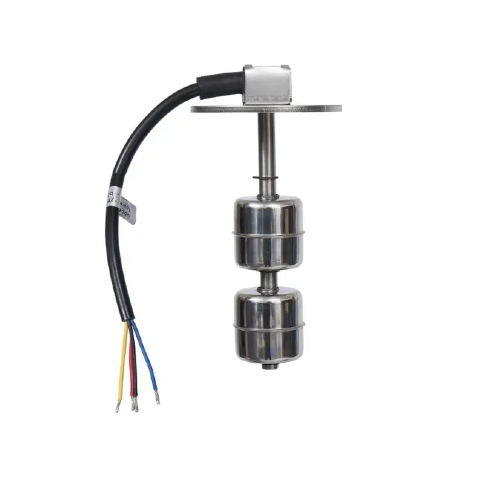
Liquid levels often go unnoticed until they create real problems, such as overflow, dry running, inaccurate refilling, equipment downtime, or extra manual work. That is why Smart Level Sensors are becoming increasingly important in modern liquid management. Instead of relying on occasional visual checks or simple on-off signals, businesses now want real-time visibility and better control over water, diesel, oil, and other liquids. For applications that demand accuracy and reliability, Bluefin Sensor Technologies Limited provides practical solutions that help turn liquid monitoring into a more connected and efficient process.
What Makes a Level Sensor “Smart”?
From simple detection to connected visibility
A traditional level switch usually performs one basic task: it tells users whether liquid has reached a certain point. That can be useful, but it does not provide enough information for systems that need stable operation and timely decision-making.
A smart level sensor goes further. It can collect, transmit, and support analysis of liquid level data in real time. Instead of only showing “full” or “empty,” it helps users understand how levels are changing and whether action is needed. This makes monitoring more useful in daily operations, not just during emergencies.
In practical terms, a smart sensor helps reduce uncertainty. A water tank can be monitored more precisely, a diesel tank can be managed before fuel shortage causes downtime, and a fluid system can be controlled with fewer manual checks. This is what makes a level sensor truly “smart”: it improves visibility and supports better decisions.
The core parts of a smart liquid monitoring system
A smart liquid monitoring system usually includes several connected parts. First is the sensing element, which measures the liquid level. Then comes the signal output, which sends usable data to a gauge, alarm, controller, or digital system.
The next key part is communication. Once the data can be transmitted, it becomes possible to monitor tanks remotely instead of checking them in person. After that comes the display or dashboard, where readings become easy to understand and use.
Many systems also include alert logic. If a liquid level falls too low or rises too high, the system can warn users immediately. In more advanced setups, this information can also support automation or maintenance planning. Bluefin Sensor focuses not only on sensors and switches, but also on integrating them with gauges, alarms, and controllers for more complete solutions.
How IoT Changes the Way Liquid Levels Are Monitored
Real-time data instead of manual inspection
Manual inspection is still common in many industries, but it is not always efficient. It takes time, depends on staff availability, and can miss important changes between checks. In systems where fluid levels affect daily operations, that delay can lead to avoidable problems.
IoT liquid monitoring improves this by making level data visible in real time. Instead of sending someone to inspect a tank, operators can monitor current conditions remotely. This is especially valuable for water tanks, diesel storage, oil containers, and other systems where liquid status directly affects performance.
Real-time visibility also reduces routine labor. Staff no longer need to spend as much time checking fluid levels manually, and they can focus on more important tasks. For businesses looking to improve efficiency, this change offers clear value.
Alerts, trends, and remote decisions
The biggest advantage of IoT is not just live data, but useful data. A connected liquid level monitoring system can trigger alerts, record historical patterns, and highlight abnormal level changes.
For example, if a tank drops faster than usual, that may indicate a leak or unexpected usage. If liquid remains too high for too long, that may suggest a process issue. These insights help users act earlier, rather than only reacting after a problem has already affected operations.
This also improves refill timing and maintenance planning. Instead of relying on fixed schedules or guesswork, operators can make decisions based on real usage. In this way, monitoring becomes part of overall management, not just a simple measurement task.
Where Smart Level Sensors Create the Most Value
Water tanks, fuel systems, and storage containers
Smart level sensors are especially useful in applications where liquid availability and control matter every day. Water tanks are one example. Better monitoring helps users avoid overflow, shortages, and unnecessary waste, while keeping supply more stable.
Fuel and diesel storage is another important area. In these systems, poor level visibility can lead to downtime, delayed work, and emergency refilling. With smarter monitoring, users can track fluid conditions more accurately and reduce the risk of interruptions.
Oil storage and other liquid containers also benefit from better level awareness. Whether the goal is smoother operation, better inventory control, or reduced labor, smart sensing makes the system easier to manage.
Automotive, genset, and equipment applications
In automotive and genset applications, level accuracy directly affects uptime and efficiency. If fluid levels are not monitored correctly, equipment may stop unexpectedly or operate under poor conditions.
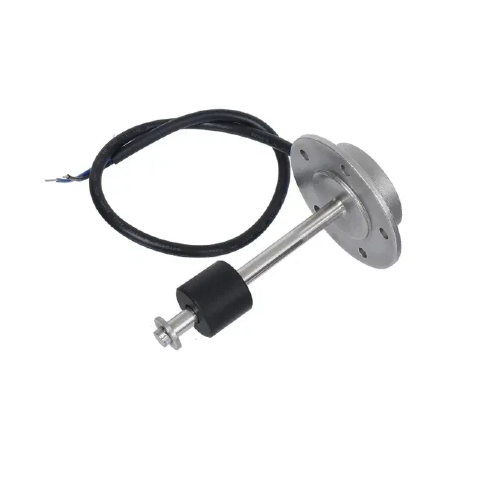
Smart level sensors help users monitor diesel, water, and oil more reliably in these environments. That means fewer surprises, better planning, and more stable performance. This is where Bluefin Sensor’s product strength becomes especially relevant. The company offers level sensors and float switches designed for real-world applications, while also supporting system solutions with gauges, alarms, and controllers.
Why Better Liquid Monitoring Improves System Performance
Preventing overflow, empty-tank events, and unnecessary service
Many fluid-related problems come from poor visibility. Overflow creates waste and cleanup costs. Empty tanks can interrupt operations or damage connected systems. Repeated manual inspection increases labor without always preventing issues in time.
Smart level sensors reduce these risks by giving earlier and more accurate information. If a tank is near a critical point, users can respond before the issue becomes disruptive. This makes service more planned and less reactive.
It also helps reduce unnecessary checks. Instead of inspecting every system on a routine basis, teams can focus attention where it is really needed.
Improving efficiency, safety, and inventory control
Better liquid monitoring also improves efficiency. When users know actual fluid levels and usage patterns, they can schedule refills more accurately, avoid emergency supply problems, and reduce material waste.
Safety benefits as well. Overflow, shortages, and unstable liquid conditions can all create avoidable risks. Reliable monitoring supports safer handling and more controlled operation.
Inventory control is another major advantage. For water, diesel, and oil storage, knowing current stock levels helps with purchasing, planning, and coordination. Smart sensors turn tanks into measurable assets rather than uncertain storage points.
What Buyers Should Look for in a Smart Level Monitoring Solution
Accuracy, compatibility, and durability
When evaluating a smart level monitoring solution, accuracy should come first. If readings are unreliable, the rest of the system loses value. Buyers should also make sure the sensor matches the liquid type, tank design, and operating environment.
Durability is equally important. Many monitoring environments involve temperature changes, vibration, or other demanding conditions. A good smart sensor should maintain stable performance over time. Bluefin Sensor’s focus on quality, rapid prototyping, and reliable production supports these practical customer needs.
Signal options, installation needs, and customization
Signal output and installation requirements also matter. Some systems need simple integration, while others require more customized solutions. Not every application can use the same design.
That is why customization is often important in liquid monitoring. A home appliance system may need a different solution from a genset, a vehicle, or a storage tank. Bluefin Sensor’s ability to provide sensors, switches, gauges, alarms, and controllers helps customers build solutions that fit their real applications more effectively.
Traditional vs Smart Level Monitoring
The difference between traditional and smart monitoring becomes easier to understand when compared directly.
Monitoring Method | Data Visibility | Alert Capability | Labor Demand | Typical Application Value |
Manual Checks | Only during inspection | None unless staff notices a problem | High | Basic low-frequency monitoring |
Basic Level Switch | Point detection only | Simple on-off response | Medium | Full or empty warning |
Smart Level Sensor | Continuous or more detailed visibility | Real-time alerts and trend support | Low | Remote monitoring and better system control |
This comparison shows why smart level sensors are becoming more popular. Manual checks are slow and inconsistent, while basic switches are limited. Smart sensors provide a stronger overall advantage because they improve visibility, response, and planning at the same time.
Conclusion
Liquid management today is about more than knowing whether a tank is full or empty. It is about reducing risk, avoiding waste, maintaining stable operation, and making better decisions with real data. That is why connected level monitoring is becoming more valuable across water, fuel, diesel, automotive, genset, and appliance-related systems. Bluefin Sensor Technologies Limited helps customers improve liquid control with reliable products and practical system solutions designed for real operating needs. If you want stronger visibility, more efficient monitoring, and more dependable fluid management, contact us to learn how Bluefin Sensor can support your project with advanced liquid level monitoring solutions.
FAQ
1. What are smart level sensors used for?
Smart level sensors are used to monitor liquid levels more accurately and efficiently than traditional methods. They are commonly used in water tanks, diesel tanks, oil systems, automotive applications, gensets, and other equipment where fluid levels affect operation.
2. How does IoT improve a liquid level monitoring system?
IoT allows liquid level data to be viewed remotely and tracked over time. This helps users receive alerts, monitor usage trends, and make better decisions without relying only on manual inspection.
3. Are smart level sensors better than basic level switches?
In many applications, yes. A basic level switch only provides a simple point signal, while smart level sensors offer broader visibility, remote monitoring, and more useful operating data.
4. Which industries benefit most from remote tank level monitoring?
Remote tank level monitoring is especially useful in industries where liquid availability affects uptime and efficiency, such as automotive, genset, water management, appliance systems, and fuel storage.


