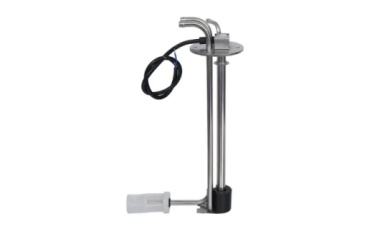
When it comes to fuel monitoring systems, choosing the right level sensor is crucial for accuracy, reliability, and overall efficiency. Among the most commonly used sensors in fuel systems are TN level sensors and ultrasonic level sensors. Each of these sensor types comes with its own set of advantages and considerations. Deciding which is best suited for your application requires a deep understanding of their respective features, performance, and suitability in specific environments.
At Bluefin Sensor Technologies Limited, we specialize in providing high-quality fuel monitoring solutions tailored to your needs. In this article, we will break down the differences between TN level sensors and ultrasonic sensors, compare their strengths and limitations, and guide you in choosing the right one for your fuel monitoring system.
What is a TN Level Sensor?
TN level sensors, often referred to as tuning-fork sensors, are a type of mechanical sensor that utilizes a vibrating fork to detect liquid levels. They work by measuring the change in vibration frequency as the tuning fork is submerged in the liquid. When the fork is submerged, the frequency of the vibration changes, and this is used to determine the level of the liquid.
Key Features:
· Simple Operation: TN sensors work by using mechanical vibrations, making them relatively simple to operate and maintain.
· High Accuracy: Provides precise measurements in a range of liquid types.
· Durable: Known for their ruggedness and ability to handle harsh environments.
· Minimal Maintenance: The mechanical parts of TN sensors are durable, reducing maintenance needs.
Advantages of TN Level Sensors:
Feature | Benefit |
Reliability | Durable and works well in various challenging conditions |
Accuracy | High precision in detecting liquid levels |
Ease of Integration | Easy to integrate into existing fuel monitoring systems |
Low Power Consumption | Consumes very little power compared to other sensors |
When to Use TN Level Sensors:
TN sensors are ideal for applications where mechanical sensing is sufficient and in environments that involve high levels of turbulence or thick liquids. They are commonly used in fuel tanks, oil and gas refineries, and industrial systems where robust, reliable performance is essential.
What is an Ultrasonic Level Sensor?
An ultrasonic level sensor is a non-contact device that uses sound waves to measure the level of a liquid or solid in a tank. The sensor emits ultrasonic sound waves, which travel through the air until they encounter a surface (such as a liquid surface). The waves then bounce back to the sensor, and the time it takes for the waves to return is measured. This time-of-flight calculation is used to determine the distance from the sensor to the surface, and thus, the level of the material in the tank.
Key Features of Ultrasonic Level Sensors:
1. Non-contact Measurement:
Unlike TN level sensors, which physically contact the liquid, ultrasonic sensors measure the liquid level from a distance. This makes them ideal for applications where the liquid could be corrosive or hazardous, or where direct contact is not desirable.
2. Wide Range:
Ultrasonic level sensors are highly versatile and can measure liquid levels from a significant distance. They are effective for both large tanks and small containers, making them suitable for a wide range of applications.
3. Versatility:
These sensors can be used with a variety of liquids, including viscous liquids, foamy substances, and even solid materials in certain cases. This versatility makes them applicable in industries like chemicals, food processing, and fuel storage.
4. Remote Monitoring:
Ultrasonic sensors can be integrated into remote monitoring systems for continuous updates on the liquid levels. This feature is especially useful in large-scale operations where multiple tanks need to be monitored simultaneously, such as in fuel storage facilities or water treatment plants.
Advantages of Ultrasonic Level Sensors:
Feature | Benefit |
Non-Contact Measurement | No direct contact with liquids, reducing wear and tear on sensors |
Wide Range | Effective for both large and small tank sizes |
Versatility | Works with various liquids, including viscous and foamy materials |
Easy Installation | Can be easily integrated into existing systems without modification |
When to Use Ultrasonic Level Sensors:
Ultrasonic sensors are ideal for situations where non-contact measurement is required, especially when the liquid is volatile, aggressive, or hazardous. These sensors excel in large tanks, foamy liquids, and situations where the tank contents could cause wear on the sensor.
Applications include:
· Water Treatment: Monitoring the level of water or chemicals in treatment tanks where direct contact with the liquid could lead to contamination or damage.
· Chemical Storage: Ensuring safe storage of hazardous chemicals where ultrasonic sensors provide non-invasive level monitoring.
· Fuel Monitoring: Ideal for large-scale fuel storage tanks that require real-time level monitoring, especially when remote monitoring is needed in difficult-to-reach areas.
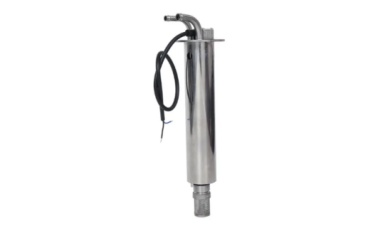
TN vs. Ultrasonic: A Comparison
Both TN level sensors and ultrasonic sensors are widely used for measuring liquid levels, but they operate in fundamentally different ways and are suited to different types of applications. Below is a comparison of both sensor types, with a focus on factors such as accuracy, durability, cost, and maintenance.
Key Factors to Consider:
Factor | TN Level Sensor | Ultrasonic Sensor |
Measurement Method | Mechanical vibration (contact with liquid) | Sound waves (non-contact measurement) |
Accuracy | High accuracy, especially for smaller tanks or thick liquids | Suitable for large tanks, effective in clear liquids |
Durability | Highly durable in harsh environments | Less durable in high-vibration environments |
Cost | Generally lower than ultrasonic sensors | Typically more expensive due to advanced technology |
Maintenance | Minimal maintenance required | Requires periodic calibration and maintenance |
Application Flexibility | Best for stable liquid levels and small to medium tanks | Ideal for large tanks, foamy liquids, and remote monitoring |
Best Use Cases for Each Sensor:
· TN Level Sensors: Best suited for smaller tanks where accurate measurement is critical. They are commonly used in fuel storage, oil refineries, and industrial environments that require high precision and minimal maintenance. These sensors work well in environments where liquid levels are more stable, and they are less affected by the presence of foam or bubbles.
· Ultrasonic Sensors: These sensors are optimal for larger tanks where non-contact measurement is necessary, such as in remote monitoring systems. They are especially beneficial in foamy liquids or situations where hazardous or corrosive liquids are involved. Industries such as chemical storage, mining, water treatment, and fuel storage rely on ultrasonic sensors for continuous and precise level monitoring in challenging environments.
Why Choose Ultrasonic Sensors for Your Fuel Monitoring System?
Choosing the right level sensor for your fuel monitoring system is crucial to ensure the efficient and safe operation of your facility. Ultrasonic sensors offer distinct advantages in situations where non-contact measurement is required, such as when handling large fuel storage tanks or hazardous substances.
· Non-contact measurement ensures safety by reducing exposure to potentially dangerous fuels or chemicals.
· Real-time monitoring through remote systems helps maintain accurate inventory management, improving operational efficiency.
· Wide-range capabilities make ultrasonic sensors ideal for large-scale operations like fuel depots, refineries, or water treatment plants.
With the added benefit of ease of installation and low maintenance, ultrasonic sensors offer long-term cost savings and reliability for your fuel monitoring system.
At Bluefin Sensor Technologies Limited, we specialize in providing ultrasonic level sensors that are optimized for fuel monitoring applications. Our team can help you select the ideal sensor for your needs, ensuring that you have a reliable, accurate, and durable solution for your monitoring system. Contact us today for expert advice and more information on our sensor technologies.
Conclusion
When it comes to choosing the right level sensor for your fuel monitoring system, both TN level sensors and ultrasonic sensors have their merits. The choice depends on the specific needs of your application, including factors such as the size of the tank, the type of liquid being measured, environmental conditions, and whether you require non-contact measurement. TN level sensors are ideal for smaller tanks, where high accuracy and minimal maintenance are key, while ultrasonic sensors excel in large tanks, foamy liquids, and hazardous environments requiring remote monitoring.
At Bluefin Sensor Technologies Limited, we are dedicated to providing the highest quality solutions tailored to your needs. Whether you're looking for reliable TN level sensors or versatile ultrasonic sensors, we have the right tools to help you maintain optimal safety and efficiency in your fuel monitoring systems. Contact us today for more information on our innovative sensor technologies, and let us help you find the perfect fit for your operations.
FAQ
1. What are the main differences between TN and ultrasonic level sensors?
TN level sensors rely on mechanical vibrations in contact with the liquid, while ultrasonic sensors use sound waves to measure liquid levels without touching the liquid.
2. Are ultrasonic sensors better than TN sensors for fuel monitoring?
It depends on the application. Ultrasonic sensors are ideal for large tanks and remote monitoring, while TN sensors work better for smaller tanks or stable liquid levels.
3. How often do I need to maintain an ultrasonic level sensor?
Ultrasonic sensors may require periodic calibration and maintenance to ensure accurate readings, especially in harsh environments.
4. Can TN sensors be used in explosive environments?
Yes, TN sensors can be used in hazardous areas, but it's essential to select a model with the proper certifications (e.g., ATEX, IECEx) for explosive atmospheres.


