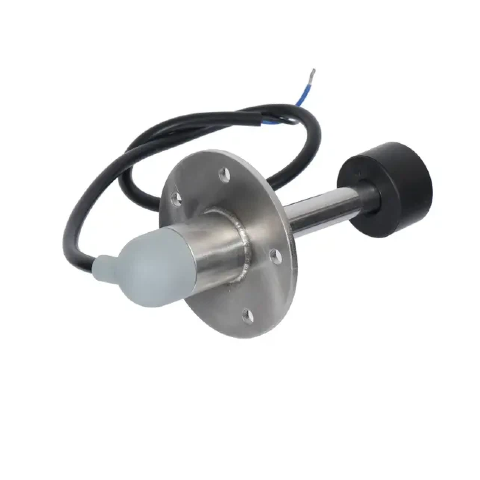
Water waste does not always come from a dramatic leak or a visible system failure. More often, it happens quietly through overflow, poor timing, delayed response, and limited visibility into what is happening inside a tank or supply line. That is why Smart Level Sensors are becoming increasingly important in sustainable water management. They help operators monitor water levels more accurately, respond faster, and reduce avoidable loss across storage and supply systems. Research and industry sources on smart water management consistently describe sensors, remote monitoring, alerts, and data-driven control as core tools for reducing waste and improving efficiency, and this direction is making water level monitoring more practical and more valuable in real applications. Bluefin Sensor Technologies Limited supports this shift with level sensing solutions designed to improve visibility and make water systems easier to manage.
Why Water Waste Is Often a Monitoring Problem
Overflow, underuse, and delayed response all waste water
When people think about water waste, they often think only about leaks. In practice, waste happens in more ways than that. A storage tank may overflow because no one saw the rising level in time. A supply system may be refilled too late, which disrupts operations and leads to rushed correction. Water may also be used less efficiently simply because the system is being managed with incomplete information.
This is why water waste is often a monitoring problem before it becomes a mechanical one. If operators cannot see how levels are changing, they cannot respond at the right time. Good intentions around conservation are not enough when daily control is weak. Sustainable water management depends on knowing what is happening now, not just reviewing problems after they occur. Studies and reviews of smart water systems repeatedly connect better monitoring with reduced water losses, improved data quality, and more efficient operational control.
Manual checks create blind spots
Manual inspection still plays a role in many systems, but it creates blind spots that make water waste harder to control. A tank may be checked in the morning and look acceptable, but change significantly before the next visit. A facility may believe its supply is stable, while actual level movement tells a different story. When visibility depends on occasional physical checks, response is always delayed.
Smart water management becomes more effective when those blind spots are reduced. Remote monitoring and continuous level awareness help operators act sooner and with greater confidence. This is especially important in systems spread across multiple tanks, buildings, or sites where physical inspection takes time and may not happen often enough to prevent loss. Research on IoT-based water management systems and sensor-cloud monitoring highlights remote monitoring and scalable visibility as central advantages for real-world water control.
How Smart Level Sensing Helps Reduce Water Waste
Real-time level visibility supports faster action
One of the clearest advantages of smart level sensing is that it replaces uncertainty with real-time awareness. When users know the actual water level right now, they can make better decisions right now. That may mean refilling earlier, adjusting operations before overflow happens, or noticing unusual water use before it turns into a larger problem.
This kind of visibility improves water level monitoring because it shortens the time between change and response. Instead of waiting until staff visit the tank or discover a problem indirectly, the system provides information as conditions develop. In water management, speed matters because waste often grows in the gap between what is happening and when someone notices. Recent smart-water research consistently emphasizes continuous monitoring as a key enabler of loss reduction and more efficient control.
Alerts help prevent both overflow and shortage
Another important benefit is alerting. A smart level sensing system can warn operators when water is approaching a high or low threshold, giving them a chance to act before the situation becomes disruptive. This is easy for non-technical readers to understand because the value is direct: fewer overflows, fewer shortages, and fewer preventable surprises.
Alerts are useful not because they add more noise, but because they support timely control. If a tank is nearing capacity, the system can prompt earlier action. If a level is falling unexpectedly, staff can investigate whether the cause is heavy consumption, hidden loss, or a supply issue. This supports both water waste reduction and more stable daily operation. Industry trend reporting on liquid level sensing increasingly links smart alerts with safer, more sustainable, and more efficient monitoring.
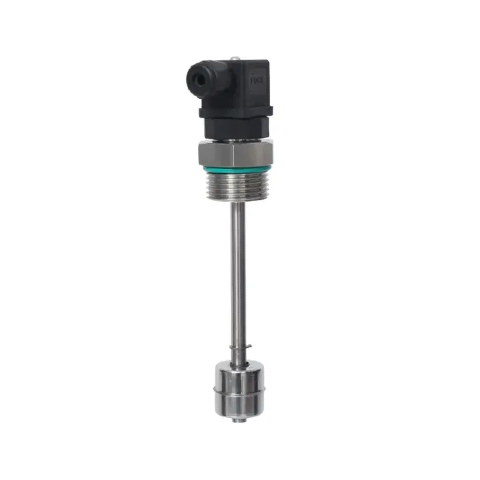
Where Smart Water Monitoring Creates the Biggest Impact
Storage tanks, supply systems, and utility-related applications
Smart water monitoring has strong value anywhere water is stored, moved, or delivered through a controlled system. Storage tanks are an obvious example because overflow and shortages are both closely tied to level visibility. Supply systems also benefit because operators can track how water is moving through the network and respond more quickly when conditions shift.
Utility-related applications are another important area. Whenever service continuity and water use efficiency matter, better monitoring can improve the outcome. Reviews of smart water management systems describe applications across public water supply value chains, distribution monitoring, pressure management, and network oversight, showing that water sensing is relevant far beyond a single simple tank.
Buildings, facilities, and distributed water systems
The value of smart sensing is not limited to utilities or large infrastructure. Buildings, industrial facilities, and distributed water systems also benefit because they often face the same core challenge: not enough visibility into changing water conditions. A building may need better oversight of rooftop tanks or internal supply systems. A facility may need clearer control over water storage tied to daily operations. A distributed site may need remote status updates because staff cannot be everywhere at once.
This wide relevance is one reason smart water management continues to grow. Research on residential and household smart water systems, as well as broader infrastructure studies, shows that sensor-based monitoring can support waste reduction and better control across both centralized and decentralized environments.
Why Smart Sensing Supports Sustainability Goals
Better control means less unnecessary consumption
Sustainability is often discussed in broad terms, but in water systems it becomes practical when operators have better control. If overflow is prevented, less water is wasted. If shortages are noticed earlier, less water is mismanaged through rushed correction. If levels are monitored accurately, supply decisions become more measured and consistent.
This is why smart sensing supports sustainability in a concrete way. It does not reduce water waste through theory alone. It does so by improving daily control over the system. Industry and academic sources alike increasingly frame smart sensing, IoT, and digital monitoring as tools that help systems become not only more efficient, but also more supportive of sustainability goals.
Reliable data supports long-term water planning
Short-term control matters, but long-term planning matters too. When organizations can track water level behavior over time, they gain a stronger basis for improving operations. They may identify repeated overflow patterns, notice timing problems, or discover that certain usage periods consistently create higher risk. That information helps move the system from reactive management to steady improvement.
Reliable data is especially valuable for organizations that want water management to become more consistent and measurable. Reviews of smart water systems emphasize better data quality, centralized monitoring, and long-term operational improvement as major reasons these systems continue to gain attention.
What to Consider When Upgrading a Water Monitoring System
Accuracy, reliability, and environmental suitability
When upgrading a water monitoring system, accuracy should remain a top priority. A connected system is only useful if the level information itself is dependable. Reliability matters just as much because water monitoring often takes place in environments where conditions vary and stable performance is essential.
Environmental suitability is another key factor. A sensor should match the real working conditions of the application, including the type of water system, installation environment, and expected operating demands. Even as monitoring becomes smarter, practical product fit still matters.
Integration, scalability, and maintenance needs
A good monitoring solution should also fit smoothly into the wider system. Integration matters because water level data is more useful when it can support gauges, alarms, controllers, or broader digital monitoring platforms. Scalability matters because a system that works for one tank today may need to support multiple points later.
Maintenance needs should also be considered from the beginning. A water monitoring solution should not only provide better visibility, but do so in a way that remains manageable over time. This is where practical product design becomes important. Bluefin Sensor Technologies Limited focuses not only on level sensors and float switches as individual devices, but also on combining them with gauges, alarms, and controllers for turnkey system solutions, which aligns well with the growing need for connected and scalable monitoring.
Common Water Waste Problems and How Smart Level Sensing Helps
Water management issue | Likely cause | Role of smart level sensing | Expected improvement |
Tank overflow | Delayed visibility or late response | Provides timely level updates and alerts | Less water loss and cleaner operation |
Unexpected shortage | Low level not seen early enough | Improves real-time water level monitoring | Better supply continuity |
Inconsistent refill timing | Manual checks and guesswork | Supports clearer refill planning | More stable water control |
Hidden loss | Slow unexplained level drop | Helps reveal unusual level behavior | Earlier investigation of waste |
Poor multi-site oversight | Limited staff visibility | Enables remote monitoring across locations | Faster response and better coordination |
This comparison shows why smart water management is so closely tied to better sensing. Water waste reduction becomes more realistic when the system provides useful information before waste has already happened.
Conclusion
Sustainable water management depends on more than conservation goals. It depends on accurate and timely control of what is happening inside real systems every day. Smart level sensing technology helps reduce waste, prevent overflow and shortage, improve response speed, and make water management more consistent over time. Bluefin Sensor Technologies Limited provides practical liquid level solutions that support this more efficient approach to water control, whether the need is in tanks, facilities, utility-related systems, or broader monitoring applications. If you are looking for better water visibility and more reliable control, contact us to learn how Bluefin Sensor can support your project with intelligent water level monitoring solutions.
FAQ
1. How do smart level sensors help reduce water waste?
They improve visibility into current water levels, provide alerts before overflow or shortage happens, and help operators respond faster to changing conditions. This makes water use easier to control and reduces avoidable loss.
2. Why is manual checking not enough for sustainable water management?
Manual checks create blind spots between inspections. Water conditions can change quickly, and delayed visibility makes it harder to prevent overflow, shortage, or hidden loss in time.
3. Where is smart water monitoring most useful?
It is valuable in storage tanks, supply systems, utility-related applications, buildings, facilities, and distributed water systems where real-time visibility improves control and reduces waste.
4. What should buyers look for in a smart water monitoring solution?
They should focus on accuracy, reliability, environmental suitability, integration with wider systems, and the ability to scale as monitoring needs grow.


