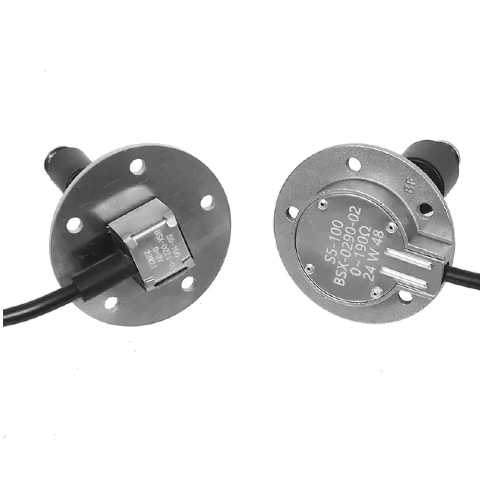
A well-designed farm plan can still fail when water or liquid fertilizer is not available at the right moment, in the right amount, or with the right consistency. That is why Smart Level Sensors are becoming an increasingly practical part of modern agriculture. They help farmers and agricultural system operators monitor irrigation supply and chemical fertilizer levels more accurately, reduce guesswork, and respond faster when conditions change. For farms that need more stable liquid management, Bluefin Sensor Technologies Limited provides level sensing solutions that support better visibility, better control, and more efficient field operations.
Why Liquid Monitoring Matters in Precision Farming
Irrigation decisions depend on reliable water availability
Irrigation is often discussed in terms of schedules, crop stages, and weather conditions, but none of those plans work well if the actual water supply is unclear. A reservoir may look sufficient from the outside while the usable level is already too low. A storage tank may be nearly full one day and unexpectedly short the next during peak watering periods. When water levels are not monitored in time, irrigation becomes reactive instead of controlled.
This is why liquid monitoring should be treated as an operating foundation in precision farming. It supports timely irrigation, helps maintain stable supply, and reduces the risk of delayed watering caused by avoidable shortages. Even a strong irrigation strategy loses value when the farm cannot clearly see how much water is available in the system.
Reliable irrigation monitoring also improves coordination. On a larger farm, water may move through several tanks, storage points, or delivery stages before reaching the field. When level visibility is poor, managers may spend extra time checking conditions manually or adjusting operations at the last minute. Smart sensing reduces that uncertainty and makes irrigation planning more dependable.
Fertilizer management also depends on level accuracy
Liquid fertilizer systems have similar challenges. Fertilizer tanks, mixing containers, and dosing units all depend on level accuracy to keep application stable. If the actual liquid level is lower than expected, the application process may stop or become inconsistent. If the level is estimated incorrectly, the system may be overfilled, underused, or poorly timed.
Fertilizer tank level monitoring is valuable because it gives operators a clearer picture of what is available before application begins and while it is ongoing. That visibility helps prevent interruptions and supports more consistent input management. Instead of relying on rough estimates or delayed checks, farms can handle liquid fertilizer with greater confidence.
This matters not only for efficiency, but also for cost control and field performance. Too little fertilizer can reduce effectiveness. Too much can create waste and raise environmental concerns. Better level awareness helps avoid both problems and supports a more controlled agricultural process.
How Smart Level Sensors Support Better Irrigation Control
Preventing dry-running, overflow, and unstable supply
Irrigation systems perform best when water moves steadily and predictably. When a supply tank runs too low, pumps may dry-run or the delivery flow may become unstable. When tanks are filled without proper monitoring, overflow can waste water and create unnecessary cleanup or operating disruption. Both situations reduce efficiency and put avoidable pressure on the system.
Smart level sensors help reduce these risks by providing clearer liquid status throughout the irrigation process. Operators can see when water is approaching a critical low point and act before equipment is affected. They can also detect rising levels earlier and prevent overfilling. This kind of monitoring supports smoother water delivery and protects important irrigation components from unnecessary stress.
The benefit is especially clear during busy growing periods, when timing matters and there is little room for interruption. Better level data helps irrigation systems run with fewer surprises and less emergency response.
Turning tank data into more timely irrigation action
One of the biggest advantages of connected level sensing is speed. When farmers or managers receive timely information from storage tanks and supply units, they can make better decisions before a shortage affects the field. Refill timing becomes easier to plan, labor can be used more efficiently, and irrigation schedules become more realistic.
This is where smart monitoring moves beyond simple measurement. It supports action. A farm does not just know that a tank is low; it knows early enough to do something useful. That difference can improve daily operations, especially in larger systems where multiple tanks or supply points need attention at the same time.
Precision farming depends on timing, and timing depends on visibility. Smart sensors make liquid status more visible, which allows irrigation to become more responsive and less dependent on manual inspection.
How Smart Level Sensors Improve Chemical Fertilizer Management
Better visibility for mixing, storage, and dosing systems
Chemical fertilizer management is more stable when operators know the real liquid level at each stage of handling. In mixing systems, accurate level data helps avoid imbalance and confusion during preparation. In storage tanks, it supports better refill planning and reduces uncertainty about available supply. In dosing systems, it improves continuity and helps maintain a smoother application process.
Without reliable monitoring, a fertilizer system may look manageable on paper but become unpredictable in practice. Staff may not notice supply drops until the work is already affected. That can lead to delays, inconsistent dosing, or rushed corrections that reduce overall efficiency.
Smart level sensors improve this process by making fertilizer levels easier to track and easier to manage. They support a more disciplined handling method, which is especially useful when farms need repeatable and consistent application across different zones or seasons.
Reducing waste and avoiding unnecessary overfilling
Liquid fertilizer is both an input cost and an operational responsibility. When the amount in a tank is unclear, farms often compensate by overfilling, over-ordering, or making conservative decisions that increase waste. Over time, that can raise costs without improving results.
Accurate level monitoring helps prevent this. With better visibility, operators can refill based on actual need rather than assumption. They can avoid excessive storage levels and reduce the chance of loss during handling. This supports both financial efficiency and better environmental control.
The value is simple: when a farm can measure liquid fertilizer more accurately, it can use it more carefully. That is one reason precision farming sensors are becoming more relevant in modern agricultural systems.
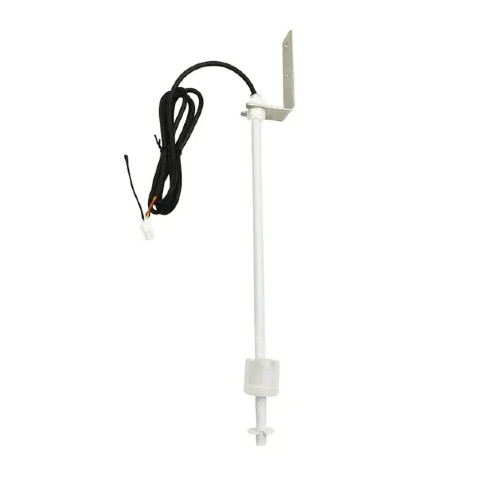
Why Smart Sensing Helps Farms Use Resources More Efficiently
Less water waste and more controlled input use
Resource efficiency is one of the strongest reasons to invest in smarter liquid monitoring. Water waste often comes from poor timing, overflow, and unnecessary uncertainty. Fertilizer waste often comes from inaccurate estimates, unstable handling, and refill decisions based on guesswork. Smart level sensing helps reduce these problems by making liquid conditions easier to understand and manage.
This does not mean every farm needs a complex digital system. It means farms benefit when they can see their actual water and fertilizer status more clearly. Better monitoring leads to better control, and better control helps reduce avoidable waste.
That supports cost savings as well. Water, fertilizer, labor, and maintenance all become easier to manage when the farm has more accurate information about liquid use and availability.
More consistent operations across larger or more complex sites
The value of smart monitoring increases as farming systems grow. A small site may still rely on direct observation in some cases, but larger or more spread-out operations face a different reality. Once a farm has multiple tanks, irrigation zones, mobile supply units, or seasonal work shifts, manual checking becomes more difficult and less reliable.
Smart level sensors help create consistency across these more complex environments. Instead of depending on scattered updates or delayed reports, operators can monitor fluid conditions with better accuracy and better timing. This helps keep operations aligned, even when sites are busy or geographically spread out.
For farms managing growth, diversification, or labor limitations, this kind of consistency is not just convenient. It becomes an important part of operational control.
Where This Technology Fits in Modern Agricultural Systems
Tank-based irrigation systems and fertigation setups
Tank-based irrigation systems are one of the most practical places for smart sensing. Whenever water is stored and delivered through a planned process, level visibility improves the whole system. The same is true in fertigation setups, where water and liquid nutrients must be managed together with greater accuracy.
In these applications, monitoring helps maintain smoother delivery, better refill timing, and fewer interruptions. It also helps operators see how different parts of the system are performing without relying entirely on physical inspection.
This technology fits especially well where water and fertilizer handling are already structured and recurring. The goal is not to make agriculture more complicated. It is to make routine liquid management more reliable.
Remote farms, seasonal operations, and labor-limited environments
Smart monitoring becomes even more valuable when people cannot be on site all the time. Remote farms, seasonal operations, and labor-limited agricultural systems often struggle with delayed checks and uneven oversight. A tank may need attention, but no one sees the problem early enough.
That is where smart level sensors offer strong practical value. They help bridge the distance between the operator and the liquid system. Instead of waiting for a visible problem in the field, farms can respond sooner based on better information. This makes the technology especially useful in real-world agricultural environments where time, distance, and staffing are constant challenges.
How Smart Level Sensors Support Farming Tasks
Application | Monitoring Challenge | Role of Smart Level Sensors | Main Benefit |
Irrigation tank | Water level changes too quickly during peak use | Tracks supply level more clearly | More stable irrigation planning |
Fertilizer tank | Uncertain stock and refill timing | Improves fertilizer tank level monitoring | Better input control |
Dosing system | Inconsistent liquid availability | Supports smoother dosing visibility | More reliable application |
Water storage unit | Risk of overflow or shortage | Gives timely level updates | Less waste and fewer interruptions |
Mobile supply unit | Hard to inspect frequently | Improves remote status awareness | Better field coordination |
This table shows that the value of smart sensing in agriculture is not limited to one device or one process. It supports different liquid-related tasks across the farm and helps operators make more informed decisions in each one.
Conclusion
Precision farming is not only about maps, weather data, or advanced field analysis. It also depends on controlling the liquids that keep agricultural systems running every day. Better irrigation monitoring and better fertilizer tank level monitoring help reduce waste, improve timing, and support more stable farm operations. Bluefin Sensor Technologies Limited provides liquid level solutions that help turn everyday water and fertilizer management into a more accurate and more efficient process. If your farm or agricultural system needs stronger visibility and better control, contact us to learn how Bluefin Sensor can support your application with advanced level sensing solutions.
FAQ
1. How do smart level sensors help with irrigation monitoring?
Smart level sensors help by showing actual water levels in tanks and storage systems more clearly. This allows farms to refill on time, avoid shortages, prevent overflow, and keep irrigation schedules more stable.
2. Why is fertilizer tank level monitoring important in precision farming?
Fertilizer tank level monitoring helps farms manage liquid fertilizer more accurately. It reduces the risk of interruptions, overfilling, underuse, and poor dosing consistency during application.
3. Are smart level sensors useful for small farms or only large operations?
They are useful in both cases. Larger farms often benefit from better coordination across multiple systems, while smaller farms can use smart monitoring to reduce labor, prevent waste, and improve control over key liquid inputs.
4. Where are smart level sensors commonly used in agricultural systems?
They are commonly used in irrigation tanks, fertilizer tanks, water storage units, fertigation systems, dosing systems, and mobile liquid supply units where real-time liquid visibility improves daily operations.


