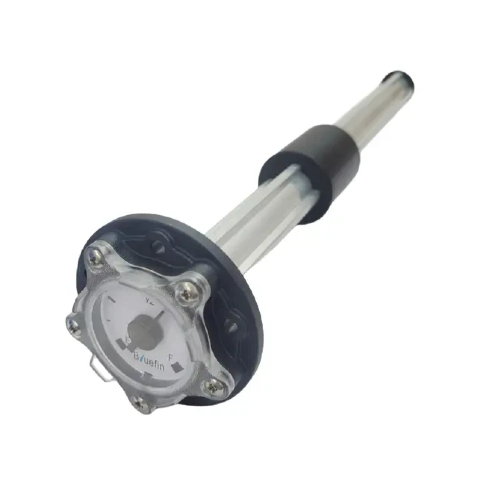
A tank project often becomes more complicated when the level indication method is not clear from the start. Buyers may know they need a visible reading, but they are not always sure whether a traditional or magnetic design is the better fit. That is why Mechanical Level Gauges are often compared with magnetic options in fuel, diesel, and water applications. At Bluefin Sensor Technologies Limited, we develop level-sensor, float-switch, and gauge solutions for customers who need reliable tank monitoring with practical installation, clear reading, and strong long-term value.
What Mechanical and Magnetic Level Gauges Have in Common
Both are built to give operators a visible level reading
Mechanical and magnetic gauges are both designed to show the amount of liquid inside a tank. Whether the medium is water, diesel, or fuel, the goal is the same: give operators a direct reading without opening the tank or relying on guesswork.
This matters because many tank users do not start with a need for advanced automation. They start with a need for visibility. A clear reading helps avoid downtime, supports routine checks, and improves confidence in day-to-day operation.
Why they are often compared during tank projects
They are often compared because both can provide local level indication, yet they do it in different ways. Buyers researching a tank level gauge usually want to understand which design better suits their tank, medium, and operating environment.
The comparison is also practical. A gauge affects installation, maintenance, readability, and overall value. It is not just a small accessory. It becomes part of how the tank is used every day.
How Mechanical Level Gauges Work
Direct movement from float to indicator
A mechanical level gauge works through direct physical movement. A float inside the tank follows the liquid surface, and that movement is transferred through a linkage, tape, or similar structure to an external indicator.
This makes the reading method easy to understand. The level is shown through actual movement, not through a more complicated chain of conversion. For many users, especially in generator, equipment, and storage tank applications, that direct approach is a major advantage.
Why simplicity is the main selling point
Simplicity is one of the main reasons mechanical gauges remain popular. They provide visible level indication without adding unnecessary system complexity. For many operators, that means easier daily use and easier maintenance.
This is especially valuable in fuel, diesel, and water systems where a local reading is often enough to solve the real need. The product does not need to be complicated to be effective. It needs to be dependable and well matched to the application.
How Magnetic Level Gauges Work
Magnetic coupling instead of direct mechanical linkage
A magnetic level gauge also starts with float movement, but it does not use the same direct mechanical transmission. Instead, the float position is reflected through magnetic coupling to an external display.
In simple terms, the liquid still moves the float, but the visible reading is produced in a different way. That changes the design and can influence where the product is most suitable.
Why magnetic designs are often used in process environments
Magnetic gauges are often used in process-related conditions where the separation between the medium and the visible indicator can be useful. In certain tanks or vessels, that design offers clear benefits.
At the same time, this does not make magnetic designs automatically better. It simply means they serve a different set of application priorities. In some tanks that matters a lot. In others, it may not be necessary.
Mechanical vs. Magnetic Level Gauges in Daily Use
Installation and system complexity
Installation is one of the most practical differences. Mechanical gauges are often easier for buyers to understand because the float movement and indicator response are more direct. In standard water, diesel, and fuel tank projects, this can simplify planning and installation.
Magnetic gauges may involve a more specialized structure. In the right application, that is worthwhile. In a simpler project, it may add complexity without enough added value.
Maintenance and serviceability
Maintenance should always be considered before purchase. Mechanical gauges are often appreciated because their working principle is clear, which makes routine inspection and troubleshooting easier for many users.
Magnetic gauges can also perform well, but serviceability depends more on the exact design and operating environment. A good comparison should always consider who will maintain the tank and how easily the gauge can be checked over time.
Reading style and operator convenience
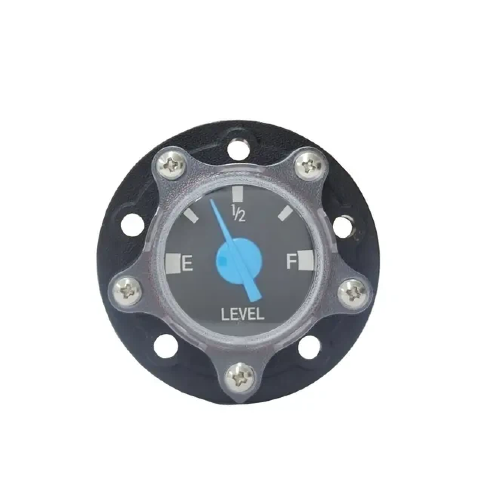
Operator convenience matters more than many buyers expect. Mechanical gauges often provide a simple local display that can be read quickly. This is useful in equipment tanks, generators, and utility systems where fast visual checking is important.
Magnetic gauges can also offer clear indication, but the reading style is different. The better choice depends on how the operator uses the tank and what kind of visibility the application really requires.
Which Gauge Handles Your Tank Conditions Better
Clean fuels and water systems
Mechanical gauges are often a strong fit for clean fuel and water systems. In these applications, the user usually wants a dependable reading, simple operation, and sensible installation.
That makes them especially suitable for generator tanks, storage tanks, and general equipment applications where clear local visibility is the priority.
Pressurized, hot, or specialized process conditions
Magnetic gauges may be more attractive in specialized conditions where the operating environment places greater importance on design separation or process-related considerations.
This is why the better product cannot be decided by name alone. The real tank conditions should guide the choice.
Harsh outdoor and mobile equipment environments
Outdoor and mobile applications often reward simplicity. Vibration, dust, weather exposure, and rough use all increase the value of a product that is easy to read and easy to manage.
In many of these settings, mechanical gauges remain highly practical. That is one reason they are so common in mobile fuel systems, agricultural machinery, construction equipment, and generator applications.
Cost, Value, and Long-Term Ownership
Upfront product cost
Initial price matters, but it is only one part of the decision. Mechanical gauges are often attractive because they provide practical function with relatively straightforward construction. For many common tank applications, that creates strong value from the start.
A magnetic gauge may justify its design in the right environment, but it is not always the most economical choice for general-purpose tank monitoring.
Installation and maintenance cost over time
Long-term cost includes installation, maintenance, service convenience, and replacement planning. A lower starting price does not always mean better value, and a more specialized product does not always mean better performance.
The best result usually comes from matching the product to the job rather than choosing based on complexity alone.
When mechanical delivers better practical value
Mechanical gauges often deliver better practical value when the application needs local indication, low complexity, and dependable daily use. That is why they remain such a strong option in water, diesel, and fuel systems.
For many Bluefin Sensor customers, this is the real advantage: a product that does the job well without unnecessary system burden.
Mechanical vs. Magnetic Level Gauges for Common Tank Requirements
Decision factor | Mechanical gauge | Magnetic gauge | Best choice for |
Working principle | Direct float movement | Magnetic coupling | Depends on application |
System complexity | Lower | More specialized | Standard vs. process service |
Fuel and water tanks | Strong fit | Can work | Mechanical |
Specialized conditions | Suitable in some cases | Often stronger | Magnetic |
Harsh mobile use | Very practical | Not always necessary | Mechanical |
Overall value | Strong in simple projects | Strong when design benefits matter | Depends on tank needs |
How to Decide Which Is Right for Your Tank
Questions based on liquid, tank, environment, and visibility needs
A good decision starts with the application. What liquid is inside the tank? Is the system mobile or stationary? Will it face vibration, weather exposure, or rough handling? Does the operator only need local reading, or is there a stronger reason to choose a more specialized design?
These questions quickly make the comparison more useful and more realistic.
When a customized mechanical gauge is the smarter decision
A customized mechanical gauge is often the smarter choice when the tank has specific size or mounting requirements, but the operating need is still straightforward. Many fuel, diesel, and water tanks simply need a product that fits properly and reads clearly.
That is where Bluefin Sensor adds value. A well-matched product usually installs more smoothly, performs more consistently, and supports better long-term use than a generic option.
Conclusion
Neither option is universally better. The right answer depends on the tank, the medium, the operating conditions, and the maintenance expectations behind the project. Still, for many fuel, water, diesel, generator, and equipment tanks, Bluefin Sensor Technologies Limited can offer a more practical path with durable and easy-to-read mechanical solutions, and a properly selected tank level gauge often remains the most efficient choice for everyday monitoring. If you are comparing options for your application, contact us to discuss the right solution.
FAQ
1. What is the main difference between mechanical and magnetic level gauges?
Mechanical gauges use direct physical movement from the float to the indicator, while magnetic gauges use magnetic coupling to show the float position on an external display.
2. Are mechanical level gauges suitable for fuel tank level monitoring?
Yes. They are often very suitable for fuel tank level monitoring because they provide simple, visible, and dependable local indication.
3. When is a magnetic level gauge a better option?
A magnetic level gauge may be a better option when the tank operates in more specialized conditions where its design advantages are more relevant.
4. How do I choose the right tank level gauge?
You should compare the liquid type, tank design, operating environment, maintenance needs, and required reading style before making the final choice.


