Introduction
A coolant level sensor is essential for keeping your engine at the right temperature. Without it, your engine may overheat, leading to costly repairs. In this article, you will learn how to reset your coolant level sensor, troubleshoot common issues, and maintain its accuracy. Keep your vehicle’s coolant system functioning properly and avoid potential engine damage.
What is a Coolant Level Sensor and Why It Matters?
What is a Coolant Level Sensor?
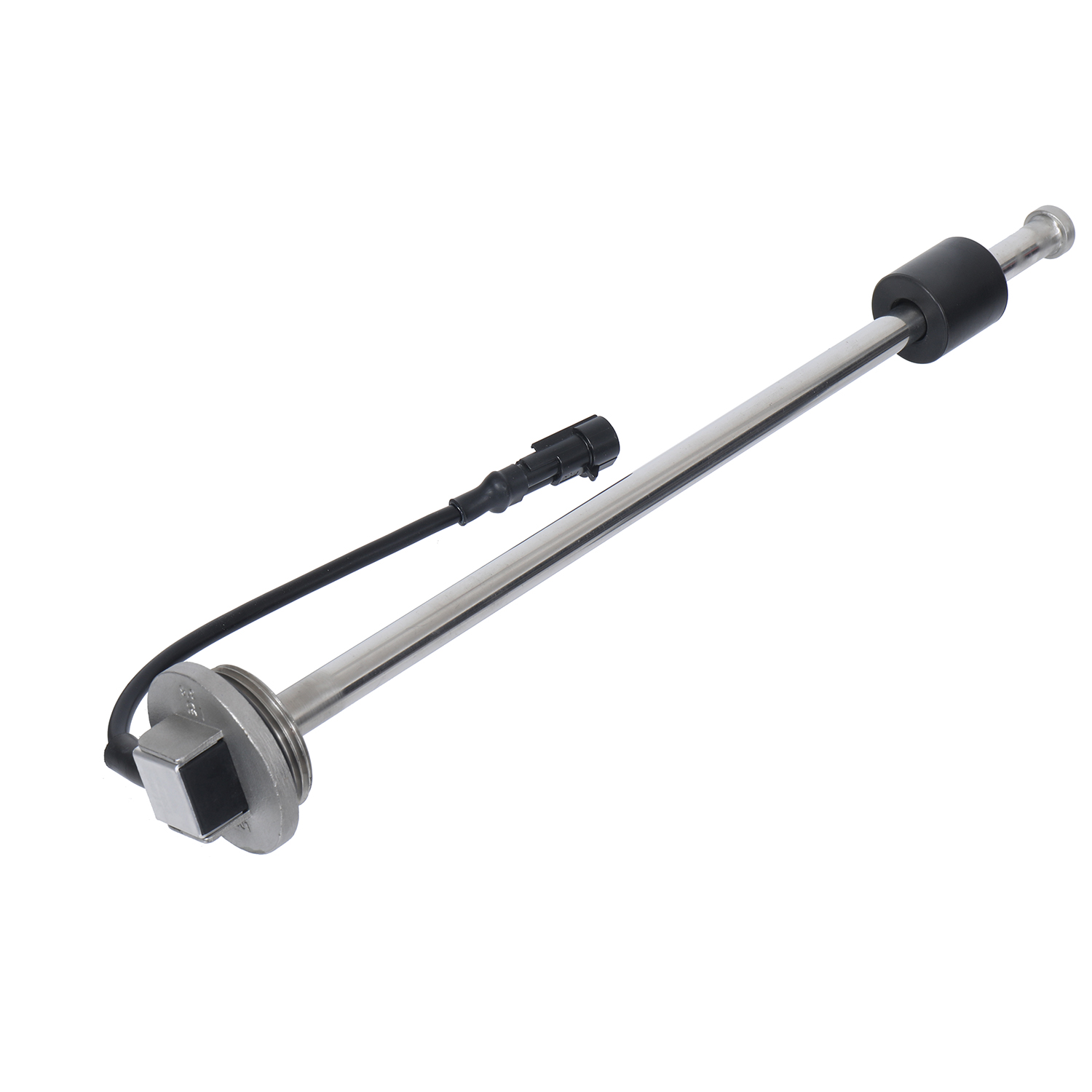
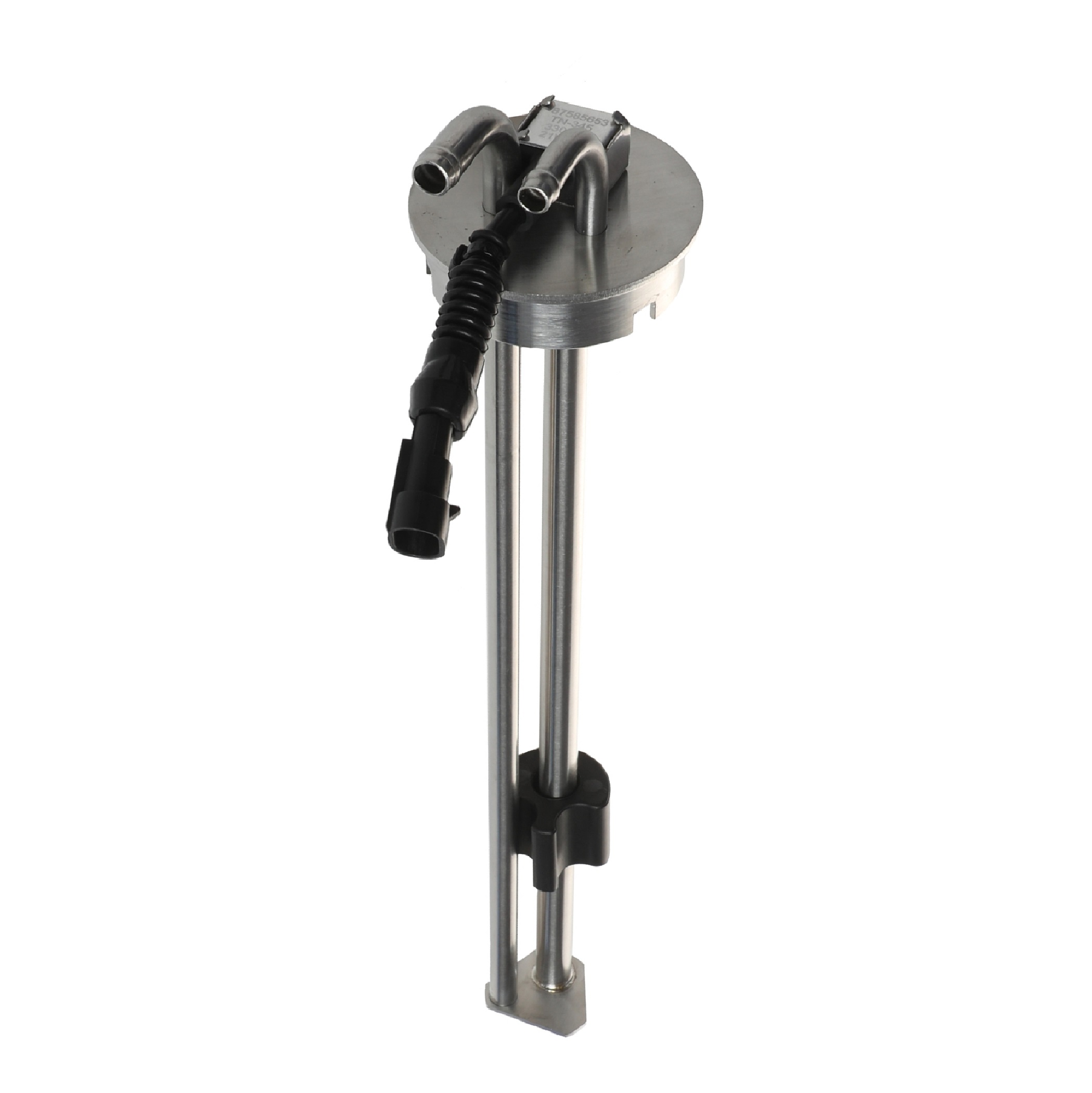
A coolant level sensor is a device installed in the vehicle's cooling system that monitors the level of coolant inside the radiator or coolant reservoir. When the coolant level drops below a certain threshold, it triggers a warning light or a message on your dashboard to alert you about the issue.
The sensor works by detecting changes in the coolant level and providing real-time feedback to the vehicle's computer system, which in turn informs the driver if the engine might be at risk of overheating.
Typical Location of Coolant Level Sensor Components
Component | Location | Purpose |
Coolant Level Sensor | Inside the coolant reservoir or near the radiator | Monitors the coolant level and sends data to the vehicle's computer system. |
Coolant Reservoir | Near the engine compartment | Stores coolant fluid to regulate engine temperature. |
Radiator | Front of the vehicle | Helps cool the engine by dissipating heat from the coolant. |
Importance of Maintaining Coolant Level Sensor Accuracy
The accuracy of the coolant level sensor is crucial for engine health. A malfunctioning sensor can provide false readings, leading to either the engine overheating or excessive coolant usage. This can cause damage to your engine components, such as the radiator, hoses, and the engine itself.
Key Consequences of Inaccurate Sensor Readings:
● Overheating: When the sensor fails to detect low coolant levels, it can lead to the engine running too hot, potentially causing severe engine damage.
● Coolant Loss: A faulty sensor may signal the need for a coolant refill when it’s not necessary, resulting in wasted coolant and unnecessary maintenance costs.
● Engine Wear: Prolonged periods of low coolant levels may increase the strain on your engine’s components, leading to premature wear.
Common Symptoms of a Faulty Coolant Level Sensor
Warning Lights
One of the first signs of a malfunctioning coolant level sensor is the illumination of the "coolant level" warning light on your dashboard. This light often turns on when the sensor detects that the coolant level is too low, or the sensor itself is damaged.
Example:
If the light comes on even after refilling the coolant, it suggests that the sensor may need resetting or replacing.
Erratic or False Readings
Sometimes, the sensor may display erratic or false readings. For example, the sensor might show the coolant level as normal, when it’s actually low, or vice versa. This inconsistency can be frustrating and lead to poor decision-making, such as not adding coolant when needed.
Examples of Coolant Sensor Faults
Issue | Possible Cause | Suggested Action |
Coolant level light stays on | Sensor malfunction or dirt buildup | Clean the sensor or reset it. |
False "low coolant" warning | Sensor wires or connectors damaged | Check and reconnect wiring. |
Inconsistent readings | Faulty sensor or electrical issue | Replace or repair the sensor. |
Overheating Engine
If the coolant level sensor fails, the engine might overheat. Since the sensor is supposed to alert you when coolant levels drop, its failure could prevent you from addressing an overheating situation in time. Overheating can cause severe damage to your engine, including warped cylinder heads and a cracked engine block.
Frequent Coolant Refills
If you're consistently refilling the coolant reservoir, it may be a sign of a faulty coolant level sensor. A malfunctioning sensor might not alert you when it's time to refill, or it could give inaccurate readings, leading to unnecessary top-offs.
Step-by-Step Guide to Resetting Your Coolant Level Sensor
Step 1: Turn Off the Vehicle and Locate the Coolant Tank
Before working with the coolant level sensor, always make sure the vehicle is turned off. If the engine is hot, wait for it to cool down to avoid burns or injury. Next, locate the coolant tank—this is usually a translucent plastic container near the radiator.
Step 2: Check the Coolant Level
Ensure that the coolant level is adequate. If the coolant level is low, top it off with the recommended coolant type for your vehicle. A sensor reset will not work if the coolant level is too low.
Tip: Always use the coolant recommended by your vehicle's manufacturer. Mixing coolant types or using the wrong coolant can damage your engine over time.
Step 3: Disconnect the Battery
To safely reset the sensor, disconnect the negative terminal of the battery. This step ensures no electrical current is flowing through the system and prevents any accidental shocks or short circuits.
Battery Disconnect Procedure
Step | Action |
Turn off the vehicle | Make sure the engine is completely off. |
Disconnect the battery | Use a wrench to disconnect the negative terminal. |
Wait for a few minutes | This allows the system to reset safely. |
Step 4: Resetting the Sensor
There are two ways to reset the sensor:
1. Through Vehicle Settings (for newer vehicles): Many modern vehicles allow you to reset the coolant level sensor through the onboard diagnostic system (OBD) or vehicle settings menu. Simply navigate to the maintenance or diagnostic section of the menu and select "Reset Coolant Level Sensor" if available.
2. Manual Reset (for older vehicles): In some vehicles, a manual reset is necessary. This typically involves removing the sensor’s connector, waiting for a few minutes, and then reconnecting it. Once reconnected, the sensor should reset and function normally.
Step 5: Reconnect the Battery and Test
After resetting the sensor, reconnect the battery’s negative terminal. Start the vehicle and check the coolant level warning light on the dashboard. If the sensor has been reset successfully, the light should turn off. If it remains on, you may need to repeat the reset procedure or investigate further.
Troubleshooting: What to Do If Reset Doesn’t Work
Sensor Replacement
If resetting the sensor doesn’t solve the problem, it might be time to replace the coolant level sensor. Sensors are typically inexpensive and easy to replace, but if you are not comfortable performing the replacement yourself, seek professional help.
Professional Help
When in doubt, it’s always a good idea to take your vehicle to a mechanic or an automotive specialist. They have the tools and expertise to diagnose the issue more precisely and ensure that the sensor or other related components are functioning correctly.
Best Practices for Maintaining Your Coolant Level Sensor
Regular Checks
Regularly check the coolant level sensor and its related components to ensure they are in good condition. Over time, sensors can degrade, especially if exposed to harsh engine conditions. Inspect the sensor for any visible damage, corrosion, or wear.
Example:
If you notice that the sensor appears corroded or there are leaks around the reservoir, it may be time to replace it.
Proper Coolant Maintenance
To prolong the life of your coolant level sensor, make sure you maintain the right coolant levels. Using the recommended coolant type and replacing it periodically is essential to keeping the sensor and cooling system working properly.
Additionally, avoid using a coolant mix that could potentially harm your vehicle’s cooling system and sensor.
Conclusion
A well-functioning coolant level sensor is essential for your vehicle’s engine health. By following the steps to reset the sensor, keeping it maintained, and addressing any issues promptly, you can ensure your engine remains at the right temperature and prevent costly repairs. Regularly inspect your vehicle’s coolant system and always take action if you notice symptoms of a faulty sensor. Preventive care is the key to vehicle longevity. For high-quality and reliable coolant level sensors, trust Bluefin to provide durable and precision-engineered products that help protect your engine and keep it running efficiently.
Prompt: Regular maintenance of your vehicle's coolant level sensor prevents costly engine damage and ensures reliable performance. Don't neglect sensor checks or coolant refills to keep your engine running smoothly.
FAQ
Q: What is a coolant level sensor, and why is it important?
A: A coolant level sensor monitors the amount of coolant in your vehicle’s cooling system. It alerts you when coolant is low, helping prevent engine overheating and potential damage. Maintaining accurate readings is crucial for engine health and performance.
Q: How do I reset the coolant level sensor?
A: To reset the coolant level sensor, first ensure the vehicle is off and cool. Check the coolant level, disconnect the battery, and either reset through the vehicle’s settings or manually by reconnecting the sensor. Reconnect the battery and check for the warning light.
Q: Why might my coolant level sensor malfunction?
A: Malfunctions can occur due to dirty sensors, damaged wiring, or wear over time. Inaccurate readings or faulty sensors can lead to false warnings, causing unnecessary coolant refills or engine overheating.
Q: Can I drive with a faulty coolant level sensor?
A: While you can drive with a faulty sensor, it’s not recommended. A malfunctioning sensor can cause improper coolant monitoring, potentially leading to engine overheating or damage. It’s best to replace or reset it promptly.


