Introduction
Level sensors are essential in many industrial processes, measuring substances like liquids, solids, and slurries. Selecting the right level sensor ensures system efficiency, accuracy, and safety. However, choosing the correct sensor can be complex due to the wide variety available. In this article, you will learn about the key factors to consider when selecting the best level sensor for your specific application.
Understanding Level Sensors
What is a Level Sensor?
A level sensor is an instrument used to detect the level of substances in a tank, container, or other enclosures. It can measure the height of a liquid or solid, or it can detect the presence or absence of material within a designated space. The working principle varies depending on the type of sensor but generally involves detecting a physical or electrical change when the material reaches a certain level.
Working Principle Examples:
Float Level Sensors
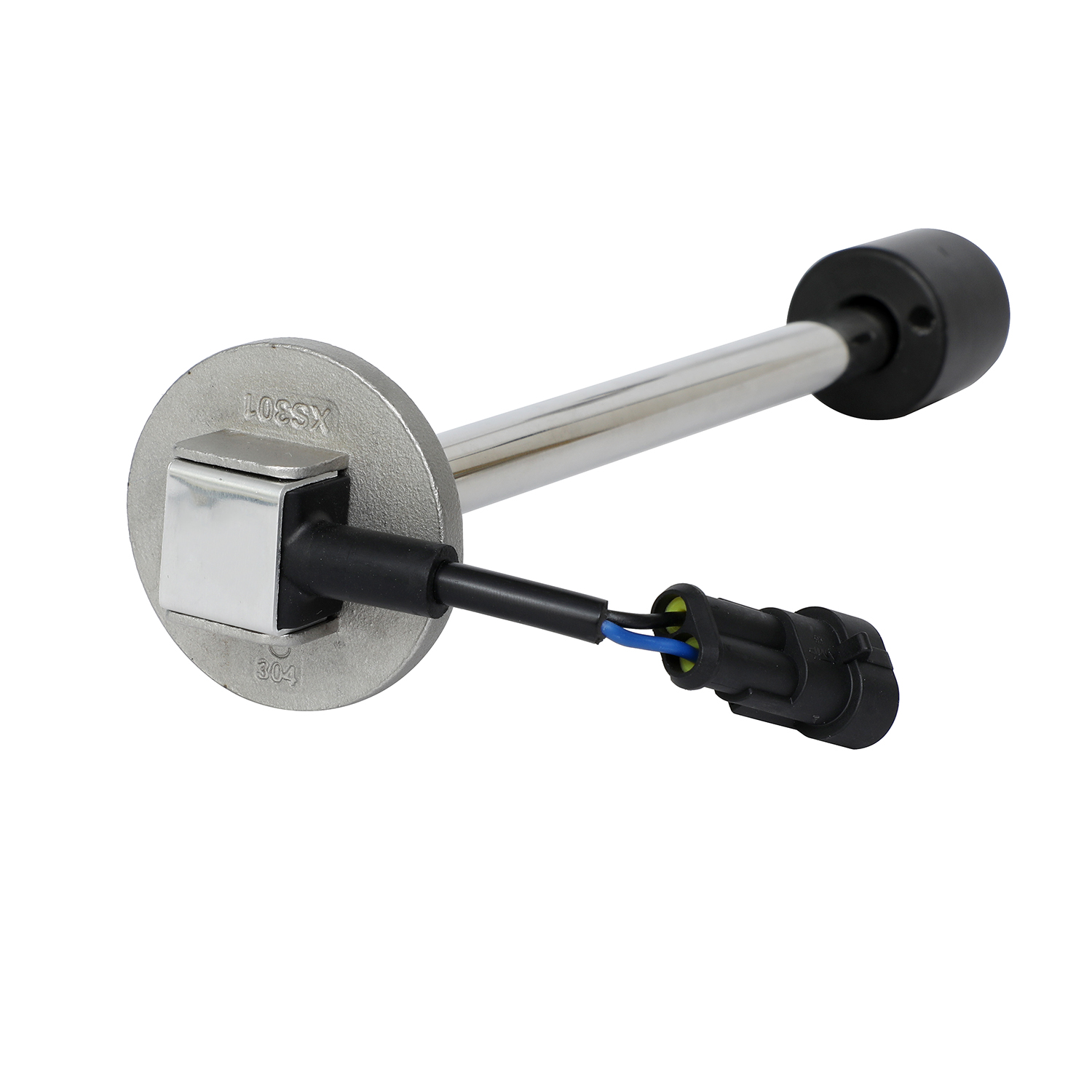
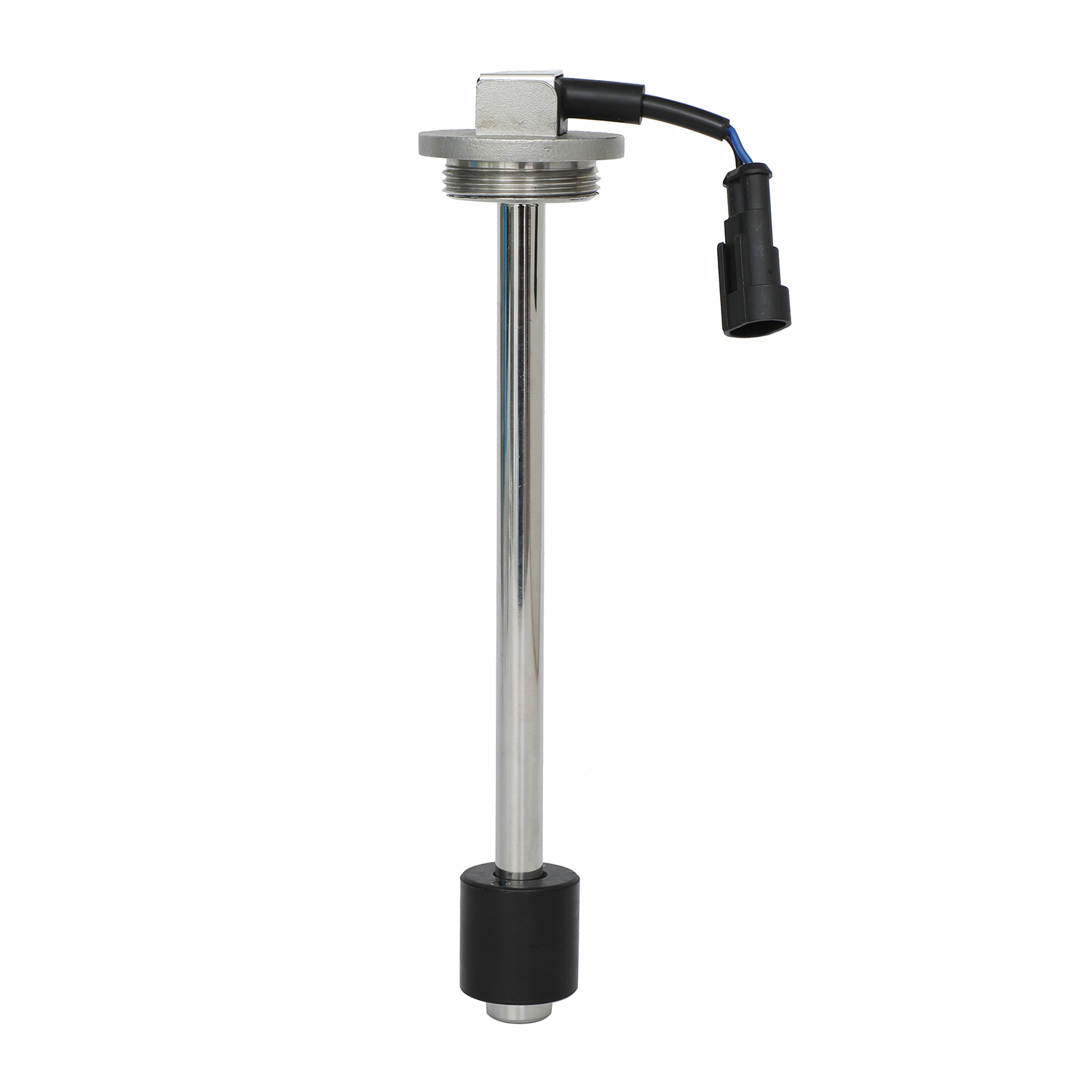
Float level sensors operate based on the buoyancy principle. A float, typically made of a lightweight, non-corrosive material, rests on the surface of the liquid. As the liquid level rises or falls, the float moves accordingly. This movement is then translated into a signal, which can activate a switch or be relayed to a control system. Float level sensors are simple, reliable, and often used in tanks or vessels where the liquid level is constant and not subject to rapid fluctuations.
● Advantages: Low cost, simple design, and reliable in steady applications.
● Disadvantages: Moving parts can wear over time, and they may not be suitable for highly viscous or slurry-like substances.
Capacitive Level Sensors
Capacitive level sensors function by detecting changes in capacitance between two electrodes as the material level changes. These sensors are based on the principle that the dielectric constant (or the ability to store an electric charge) of a material changes depending on whether it is liquid, solid, or air. As the material level changes, the distance between the electrodes or the material surrounding them varies, which alters the capacitance.
● Advantages: Suitable for both liquids and solids, highly accurate, and non-contact.
● Disadvantages: May be affected by environmental factors such as temperature changes or material buildup on the sensor surface.
Both of these sensors have distinct advantages, and their suitability depends on the specific needs of your application, including factors such as the material being measured, the required precision, and environmental conditions.
Types of Level Sensors
There are several types of level sensors, each suited to specific conditions and applications. The most common types include:
Type | Principle of Operation | Best Use Cases |
Float Level Sensors | Uses a float that moves with the material level, activating a switch. | Liquids in tanks, reservoirs, and simple processes. |
Capacitive Sensors | Measures changes in capacitance between two electrodes as the level changes. | Liquids, solids, and slurries in various containers. |
Ultrasonic Sensors | Measures distance by emitting sound waves and detecting the echo. | Non-contact measurement for liquids in open containers. |
Radar Sensors | Uses radar waves to detect the material level, effective in harsh environments. | Harsh industrial conditions with high accuracy needs. |
Applications of Level Sensors
Level sensors are used across various industries, including:
Industry | Application |
Water Treatment | Monitoring water levels in tanks and reservoirs. |
Food & Beverage | Measuring ingredients, liquids, and solid levels. |
Chemical Processing | Monitoring levels of chemicals and raw materials. |
Factors to Consider When Choosing a Level Sensor
Environmental Conditions
The environmental conditions in which the sensor will operate are a critical factor in sensor selection. Consider the following:
Environmental Factor | Considerations |
Temperature | Ensure the sensor can handle the operating temperature range. |
Pressure | Choose a sensor rated for high-pressure environments if necessary. |
Chemical Resistance | Ensure compatibility with corrosive or hazardous materials. |
Type of Material Being Measured
Different materials require different types of sensors. Whether you are measuring liquids, solids, or slurries, the type of material influences the sensor’s selection.
Material Type | Recommended Sensor Types |
Liquids | Capacitive, ultrasonic, or radar sensors. |
Solids | Capacitive or weight-based sensors. |
Slurries | Radar sensors for reliable measurement. |
Accuracy and Precision
In applications like pharmaceuticals or chemical processing, accuracy and precision are critical. Choosing a sensor with the appropriate resolution will ensure that your measurements are reliable. High-precision sensors may come at a higher cost but are necessary for processes that require fine control.
Application | Required Sensor Accuracy | Suggested Sensor Types |
Pharmaceuticals | High precision | Capacitive or radar sensors |
Food & Beverage | Moderate accuracy | Float or capacitive sensors |
Chemical Processing | High precision for reactive materials | Radar or ultrasonic sensors |
Sensitivity to Disturbances
Many industrial environments have electrical noise or vibration that can affect sensor performance. Some sensors are more resistant to these disturbances than others. For example, radar sensors tend to be more immune to external interference compared to ultrasonic sensors.
Interference Factor | Best Sensor Type |
Electrical Noise | Radar sensors |
Vibration | Ultrasonic or capacitive sensors |
Steam and Dust | Radar sensors |
How to Choose the Right Level Sensor for Your Application
Assess Your Process Requirements
Before choosing a sensor, evaluate your process requirements. Ask yourself:
Question | Considerations |
Continuous or Point Level? | Choose continuous for real-time monitoring, point for threshold detection. |
What is the material being measured? | Match the sensor type to the material’s properties (liquid, solid, slurry). |
Evaluate Operating Conditions
Consider the operating environment for the sensor, such as temperature fluctuations, pressure levels, humidity, and the presence of corrosive or hazardous materials. These factors can significantly impact the performance, durability, and accuracy of the level sensor, so it's important to choose one that is specifically designed to withstand the conditions of your application.
Operating Condition | Considerations |
Temperature range | Ensure the sensor is rated for your process’ temperature. |
Pressure | Choose a sensor rated for the specific pressure conditions. |
Material Compatibility | Choose sensors that are resistant to chemicals or corrosive substances in your process. |
Consider Ease of Maintenance
A good level sensor should be easy to maintain. Some sensors require regular cleaning, calibration, and inspections. If your process involves high maintenance costs or downtime, it’s essential to choose a sensor that offers long-term durability and low upkeep.
Maintenance Factor | Considerations |
Maintenance Frequency | Choose sensors that require minimal maintenance for easier handling. |
Durability | Sensors with longer lifespans are more cost-effective over time. |
Cost and Budget Constraints
Level sensors come in a wide range of prices. While it’s tempting to go for the least expensive option, you should consider the total cost of ownership, including installation, maintenance, and replacement costs. For applications where precision is critical, investing in a higher-quality sensor may be worth the additional upfront cost.
Cost Consideration | Sensor Types |
Low Budget | Float or capacitive sensors |
High Precision Needed | Radar or ultrasonic sensors |
Long-Term Investment | Durable, low-maintenance sensors |
Regulatory Compliance
Depending on your industry, there may be regulations that require sensors to meet specific standards. Ensure that the chosen sensor complies with relevant safety, environmental, and quality regulations.
Regulation Type | Required Sensor Certification |
Food Industry | FDA approved sensors |
Chemical Processing | ATEX certified sensors for hazardous areas |
Water Treatment | EPA-approved sensors |
Comparing Popular Types of Level Sensors
Float Level Sensors vs. Capacitive Sensors
Feature | Float Level Sensors | Capacitive Sensors |
Pros | Simple, reliable, cost-effective | Accurate, durable for liquids/solids |
Cons | Moving parts susceptible to wear | Sensitive to temperature changes |
Best Use | Small to medium tanks, reservoirs | Solids, liquids, slurries in containers |
Ultrasonic vs. Radar Sensors
Feature | Ultrasonic Sensors | Radar Sensors |
Pros | Non-contact, easy installation | High accuracy, immune to interference |
Cons | Affected by foam, vapor, temperature | Expensive, complex installation |
Best Use | Non-contact level measurement in open containers | Harsh environments, high accuracy applications |
Conclusion
Choosing the right level sensor is vital for maintaining the efficiency and safety of your industrial applications. By carefully considering factors like environmental conditions, material type, accuracy requirements, and cost, you can select a sensor that meets your needs. At Bluefin, we provide expert guidance in selecting the ideal level sensor for your specific requirements. In summary, the key to selecting the right level sensor is evaluating your specific application and understanding the strengths and weaknesses of each type of sensor. Whether you need a simple float sensor or a high-precision radar sensor, Bluefin offers solutions that fit your needs.
Final Tip: Always consult with an expert before making your final decision. Each application is unique, and a professional can help you identify the best sensor for your system.
FAQ
Q: What is a level sensor?
A: A level sensor is an instrument used to detect the level of materials (liquids, solids, or slurries) in a container or system. It works by measuring the height or presence of the material, providing valuable data for monitoring and control.
Q: How do I choose the right level sensor for my application?
A: To choose the right level sensor, consider factors like material type, environmental conditions, required accuracy, and maintenance needs. Additionally, evaluate whether continuous or point-level measurement is needed based on your process.
Q: Why is the right level sensor important?
A: Selecting the correct level sensor ensures accurate monitoring, reduces downtime, improves process efficiency, and prevents system failures. The right sensor helps maintain safety and optimal performance in various applications.
Q: What are the different types of level sensors?
A: Common types of level sensors include float sensors, capacitive sensors, ultrasonic sensors, and radar sensors. Each type offers specific benefits depending on material properties, measurement accuracy, and environmental conditions.


