Introduction
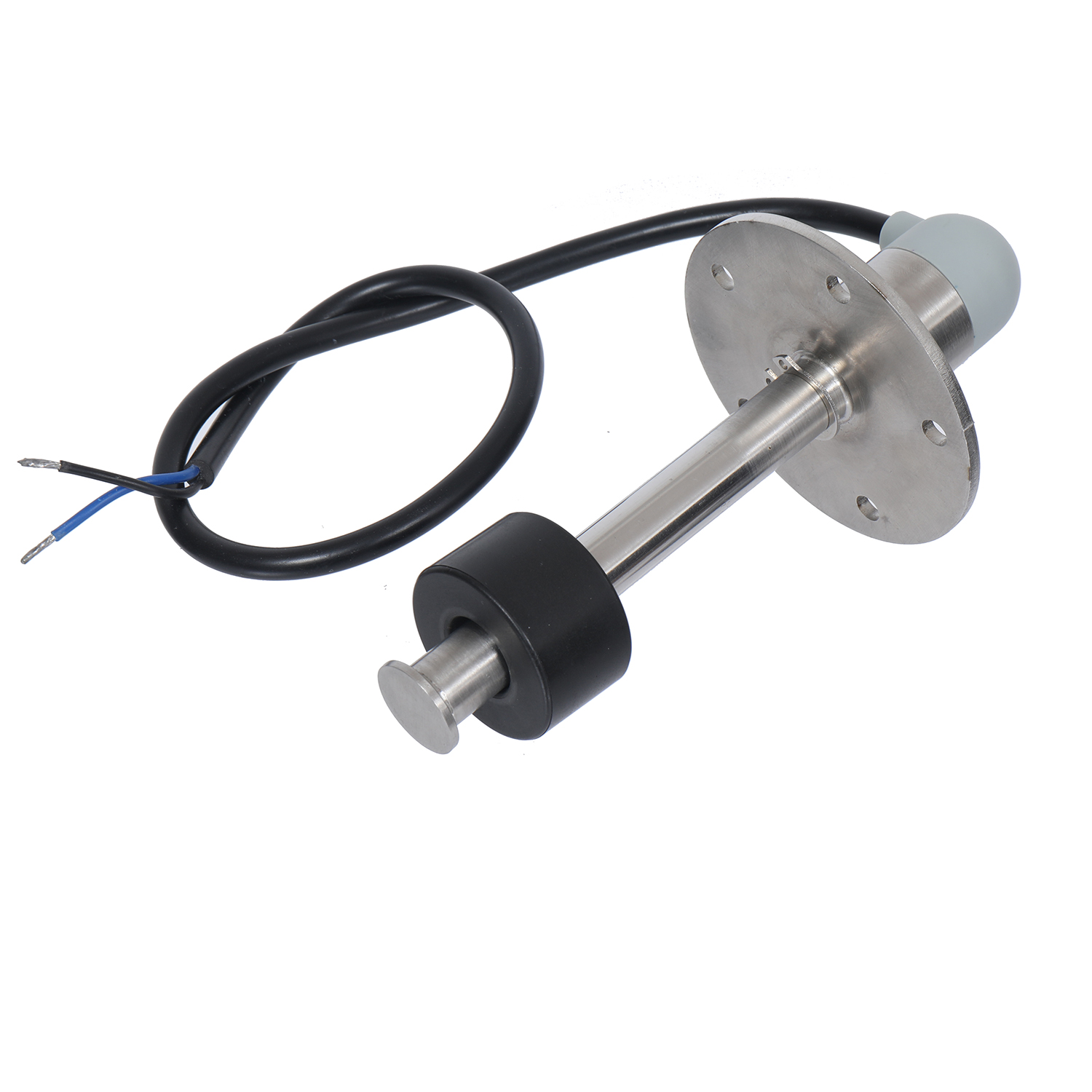
Have you ever run out of fuel unexpectedly because your gauge wasn’t showing the right reading? A faulty fuel level sensor can cause this issue. This small but crucial component helps you keep track of how much fuel you have left.In this article, you will learn how to replace a malfunctioning level sensor and why it’s important for your vehicle’s performance.
Signs You Need to Replace Your Fuel Level Sensor
Inaccurate Fuel Readings
One of the most common signs that your fuel level sensor is failing is inaccurate fuel readings. You might notice your fuel gauge indicating that your tank is full when it’s actually empty, or vice versa. This discrepancy can make it difficult to gauge how much fuel you have, leading to potential issues like running out of gas unexpectedly.
Common Signs of Fuel Level Sensor Failure
Symptom | Cause | Result |
Inaccurate fuel readings | Malfunctioning fuel sensor | Confusion about actual fuel levels |
Stuck fuel gauge | Sensor failure or wiring issue | Difficulty in determining fuel status |
Warning light on dashboard | Sensor issue or fuel system fault | Potential engine or fuel system problems |
Inconsistent fuel consumption | Faulty sensor transmission | Incorrect fuel economy calculations |
Fuel Gauge Stuck or Not Moving
Another sign of a faulty fuel sensor is a stuck fuel gauge. If the needle stays stuck on "Full" or "Empty" regardless of your fuel level, the sensor is likely to blame. A stuck gauge can be frustrating and could leave you in the dark about your actual fuel status.
Warning Lights on Dashboard
If the "Check Engine" light or a specific warning light related to the fuel system comes on, it could indicate a problem with the fuel level sensor. These warning lights are designed to alert you to any malfunctioning vehicle components, and the fuel sensor could be one of them.
Inconsistent Fuel Consumption Estimates
If your vehicle’s fuel consumption estimates are inconsistent or you notice that your vehicle uses more fuel than usual, it could be due to a faulty sensor. An inaccurate sensor can lead to poor fuel economy readings, making it harder to manage refueling efficiently.
Tools and Materials Needed to Replace a Fuel Level Sensor
Basic Tools for the Job
Before you start replacing your fuel level sensor, you’ll need a few basic tools, including:
● Wrenches
● Screwdrivers (flathead and Phillips)
● Pliers
● Socket set
● Torque wrench (for precision)
These tools will help you access and remove the old sensor, as well as install the new one.
Replacement Fuel Level Sensor
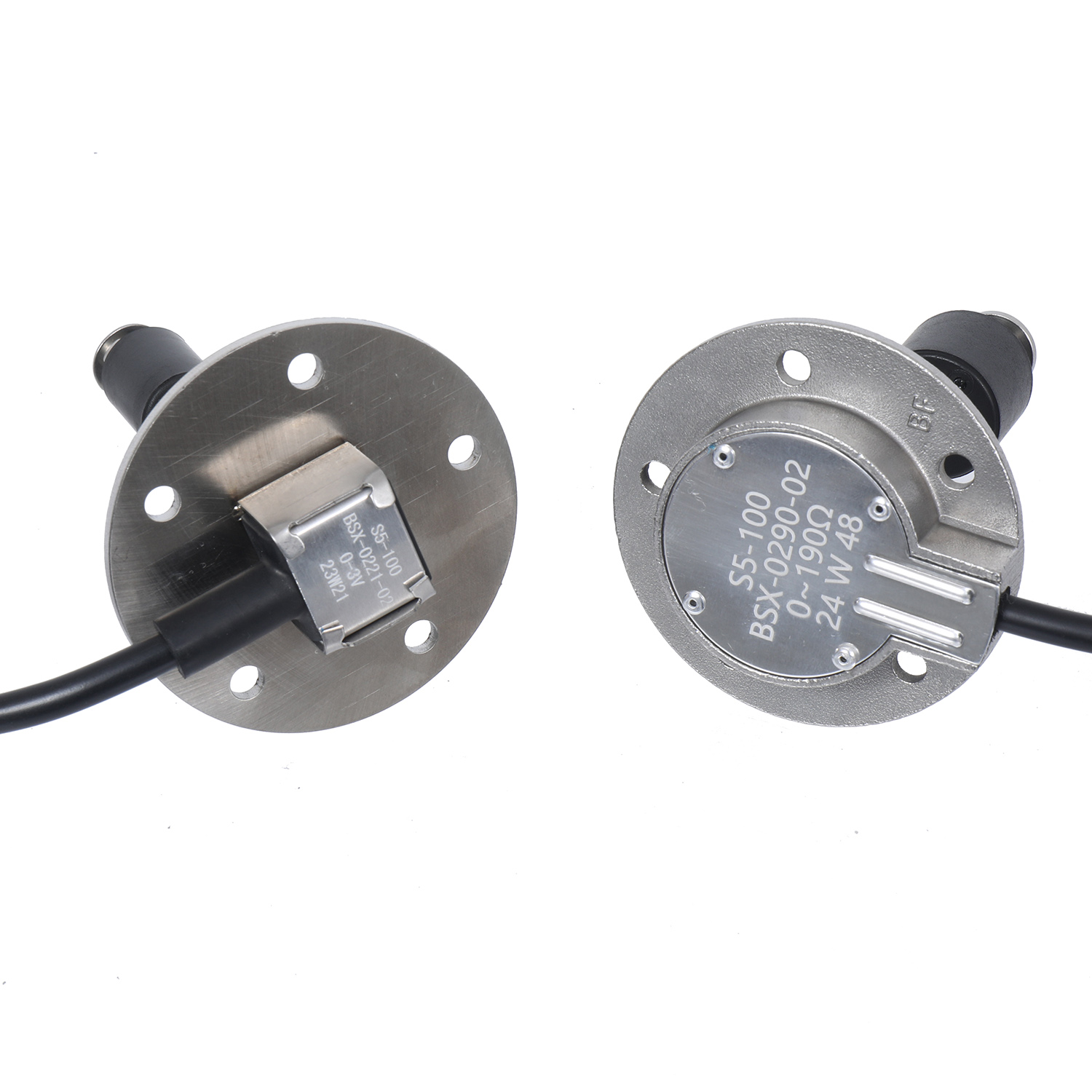
It’s essential to buy a replacement fuel level sensor that matches your vehicle’s make and model. A universal sensor may not be compatible with your fuel system, leading to further issues. Always check the part number or consult your vehicle's manual for compatibility. Many auto parts stores or online retailers offer parts based on vehicle specifications.
Safety Equipment
Safety should always come first when working with fuel systems. The key safety equipment includes:
● Gloves: Protect your hands from sharp parts or dirt.
● Safety goggles: Prevent any debris from getting into your eyes.
● Work in a well-ventilated area: Ensure you are not inhaling harmful fumes while working on the fuel system.
Step-by-Step Guide to Replacing Your Fuel Level Sensor
Step 1: Preparing the Vehicle
Begin by disconnecting the vehicle's battery to avoid any accidental electrical shocks. Make sure to lift the vehicle safely using a jack and secure it with jack stands before you begin the replacement process.
Step 1 – Vehicle Preparation
Task | Action |
Disconnect battery | Disconnect the negative terminal |
Lift vehicle safely | Use a jack and jack stands |
Ensure ventilation | Work in a well-ventilated space |
Step 2: Locating the Fuel Level Sensor
The fuel level sensor is usually located inside the fuel tank. To access it, you might need to remove the rear seats, or in some cases, lift the car’s rear end to reach the fuel tank. Refer to your vehicle's manual for the exact location of the sensor.
Step 3: Removing the Faulty Sensor
Once you have located the sensor, disconnect the wiring attached to it. Carefully remove any retaining bolts or screws that hold the sensor in place, then take the faulty sensor out. Be cautious of any residual fuel that may spill during this process.
Step 4: Installing the New Fuel Level Sensor
Take your new fuel level sensor and install it in the same location as the old one. Secure the sensor with the retaining bolts or screws. Reconnect the wiring to the new sensor, ensuring all connections are secure.
Step 5: Testing the New Sensor
Before reassembling the vehicle, test the new sensor to make sure it works correctly. Turn on the vehicle and check if the fuel gauge now reflects the proper reading. If everything looks good, reassemble the parts you removed and lower the vehicle back to the ground.
Common Issues When Changing Fuel Level Sensors
Compatibility Problems
A common issue when changing a fuel level sensor is purchasing an incorrect replacement. Always check the vehicle’s manual or consult with an expert to ensure that the sensor is compatible with your fuel system. Using the wrong sensor can cause further problems, like inaccurate fuel readings or sensor failure.
Compatibility Checklist for Fuel Level Sensors
Component | Action | Result |
Sensor Model | Verify part number with vehicle manual | Ensure compatibility with vehicle system |
Wiring Type | Confirm wiring and connector type | Prevent faulty connections or installation issues |
Incorrect Sensor Calibration
After installation, the sensor may need to be calibrated to match your vehicle’s fuel system. Failing to do so can lead to incorrect readings or other performance issues. It’s essential to check the sensor’s calibration and make adjustments as needed.
Trouble with Wiring or Connections
Faulty wiring or poor connections can also interfere with the fuel level sensor's performance. Ensure that all wiring is clean, secure, and free of corrosion. Poor connections can prevent the sensor from transmitting accurate data to the fuel gauge.
Maintenance Tips to Extend the Life of Your Fuel Level Sensor
Regular Inspections
Regularly inspect your vehicle’s fuel level sensor to ensure it's functioning properly. Catching issues early can prevent bigger problems later on. Check the fuel gauge's accuracy periodically and replace the sensor if you notice any discrepancies.
Proper Fuel System Care
Take care of your vehicle’s fuel system by using high-quality fuel and ensuring the fuel tank is clean. Over time, debris and contaminants can clog the sensor, leading to malfunction. Regular maintenance can help keep the system in top shape.
Using High-Quality Fuel
The quality of the fuel you use affects the lifespan of your fuel level sensor. Lower-quality fuels often contain impurities that can damage or clog the sensor. Always use high-quality fuel to extend the life of your sensor and keep your fuel system running smoothly.
Conclusion
Replacing a faulty fuel level sensor is essential for ensuring the accuracy of your vehicle’s fuel gauge and avoiding potential issues, such as running out of fuel unexpectedly. By following the proper steps for sensor replacement and using the right tools, you can restore the reliability of your vehicle's fuel monitoring system.
Regular maintenance and periodic inspections are key to extending the life of your fuel level sensor and avoiding expensive repairs. Remember to always choose the right sensor for your vehicle and consult your manual for detailed instructions. If you're not comfortable doing the job yourself, don't hesitate to consult a professional mechanic to ensure a proper installation. With a new fuel level sensor from Bluefin in place, you’ll enjoy accurate fuel readings and the peace of mind that comes with knowing your vehicle’s fuel system is in top working condition.
FAQ
Q: What is a fuel level sensor and why is it important?
A: A fuel level sensor measures the amount of fuel in your tank and sends this information to the vehicle’s fuel gauge. It’s important because it helps you monitor fuel levels accurately, preventing the risk of running out of fuel unexpectedly.
Q: How do I know if my fuel level sensor needs replacing?
A: If your fuel gauge is stuck, showing inaccurate readings, or warning lights appear on your dashboard, it’s likely time to replace your fuel level sensor. These issues often indicate sensor malfunction.
Q: How do I replace the fuel level sensor in my vehicle?
A: Replacing the fuel level sensor involves lifting your vehicle, locating the sensor inside the fuel tank, disconnecting it, and installing a new one. Follow the manufacturer’s guidelines for your specific vehicle.
Q: What are the benefits of replacing a faulty fuel level sensor?
A: Replacing a faulty fuel level sensor ensures accurate fuel readings, prevents running out of fuel unexpectedly, and helps maintain optimal vehicle performance, improving overall driving safety.


