1. Introduction
Level sensors are essential in industries ranging from water treatment to manufacturing. These sensors ensure accurate readings, which are crucial for system efficiency. Calibration guarantees that these sensors provide reliable measurements of liquids and solids. In this article, you will learn how to properly calibrate a level sensor to prevent operational problems. We will discuss the importance of calibration, the steps involved, and tips for maintaining sensor accuracy to avoid costly system failures.
2. What is a Level Sensor?
Definition of Level Sensors
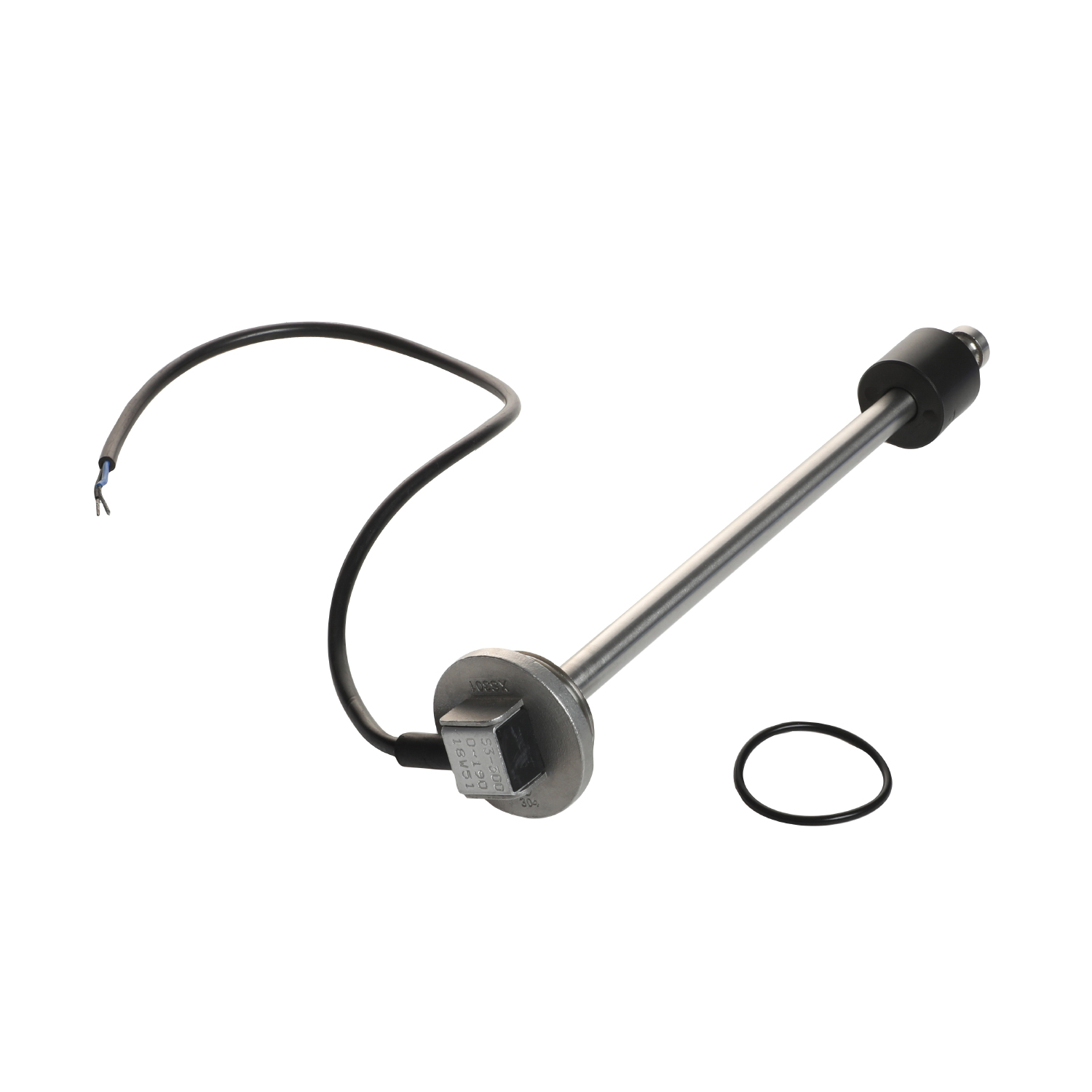
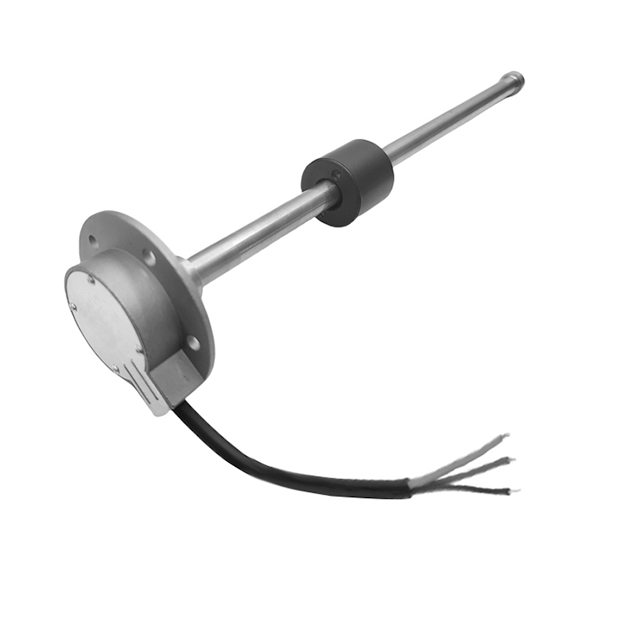
A level sensor is a device designed to detect the level of a substance, such as liquids or solids, within a container or environment. These sensors are available in various forms, including capacitive, ultrasonic, radar, and optical, each with its specific applications and working principles.
Common Uses of Level Sensors
Level sensors are used in several industries to monitor the levels of materials such as water, fuel, chemicals, or food ingredients. Common applications include:
Industry | Application |
Wastewater Treatment | Monitoring water levels in tanks and reactors |
Fuel Storage | Ensuring the correct amount of fuel is stored and preventing overflows |
Food and Beverage Manufacturing | Managing ingredient levels in production lines |
Chemical Industry | Monitoring hazardous materials to ensure safe handling and compliance with regulations |
Importance of Calibration for Accuracy
Calibration ensures that level sensors provide precise readings. Without regular calibration, sensors may drift from their ideal settings, leading to inaccurate measurements. This could have significant consequences, such as the overfilling of tanks, inaccurate inventory tracking, or inefficient process control. Regular calibration allows sensors to continue delivering optimal performance and contribute to a system's overall efficiency.
3. When Should You Calibrate Your Level Sensor?
Regular Maintenance Schedules
Calibration should be part of a regular maintenance schedule. Most manufacturers recommend calibrating level sensors annually or based on usage frequency to ensure consistent performance. For critical systems or sensors used in harsh environments, more frequent calibration may be necessary.
Signs That Calibration is Needed
If you observe any of the following signs, it’s time to recalibrate your level sensor:
Sign | Possible Issue |
Inconsistent Readings | Sensor may be malfunctioning or drifting from calibration |
Sensor Malfunctions | Power issues, sensor failure, or loose connections |
Environmental Changes | Temperature shifts, vibration, or buildup affecting sensor accuracy |
Failure to Respond to Set Points | Sensor not triggering appropriate actions based on level changes |
Environmental Factors Affecting Calibration
Environmental conditions significantly impact sensor performance. Temperature changes, physical vibrations, and the accumulation of materials can cause sensors to become less responsive or accurate. For instance, a tank that frequently experiences temperature shifts may cause a capacitive level sensor to misread fluid levels if not recalibrated regularly.
4. Steps to Calibrate a Level Sensor
Preparation for Calibration
Before beginning the calibration process, ensure you have the right tools and safety equipment. The calibration should be performed in a stable, controlled environment to avoid external factors from influencing the results.
Step-by-Step Calibration Process
1. Turn Off Equipment:
2. Always power down the equipment before making adjustments to avoid electrical damage or incorrect readings.Inspect Sensor and Connections:
3. Check for any visible signs of damage, wear, or loose connections that might affect sensor performance. Proper maintenance at this step can prevent future calibration issues.Use Known Calibration Standards:
4. Using a reference material or standard, such as a liquid with a known density, allows you to adjust the sensor to read accurately.Adjust Sensor Settings:
5. Based on the calibration standard, adjust the sensor settings using the control panel or software to align the sensor with the reference point.Test Sensor and Record Results:
After adjustments, test the sensor at different levels to ensure that it is reading correctly across its range. Record these results for future reference.
Calibration Step | Description |
Turn Off Equipment | Power down all equipment to avoid accidental damage |
Inspect Sensor and Connections | Look for damage or loose connections that may affect performance |
Use Known Calibration Standards | Use reference materials for accurate calibration |
Adjust Sensor Settings | Modify settings to match the calibration standard |
Test Sensor and Record Results | Verify sensor performance at various levels and document results |
Verifying Calibration
After completing the calibration, it is essential to test the sensor in real-world conditions or under simulated conditions. This ensures that the sensor responds accurately at various levels, confirming the calibration's success.
5. Types of Level Sensor Calibration
Manual Calibration
Manual calibration requires hands-on adjustments. Typically, this involves using mechanical tools and reference materials to set the correct level manually. This type of calibration is often more accurate for specific sensors but requires more time and effort.
Automated Calibration
Automated calibration systems use software and advanced sensors to adjust the sensor’s calibration automatically. This method is efficient and well-suited for large systems where calibration is needed across many sensors simultaneously.
Comparison: Manual vs. Automated Calibration
Calibration Method | Pros | Cons |
Manual Calibration | More precise for specific sensors | Time-consuming and requires skilled personnel |
Automated Calibration | Fast and efficient for large systems | May not be as precise for certain sensors |
6. Tools Required for Level Sensor Calibration
Hardware Tools
For manual calibration, the following tools are commonly required:
Tool | Purpose |
Calibration Plates | Used to check sensor accuracy against known measurements |
Measuring Tapes | Helps in measuring the reference point for calibrating |
Reference Liquids or Solids | These are used as standards for calibration |
Software Tools
For automated calibration, calibration software that communicates with the sensor is necessary. This software helps in adjusting the settings and verifying the results quickly. Ensure that the software is compatible with your sensor model for optimal performance.
Best Practices for Choosing Calibration Tools
Choose tools that are not only compatible with your sensor model but also meet industry standards. Calibration tools must be accurate and reliable to ensure the calibration process is effective.
7. Troubleshooting Common Calibration Issues
Sensor Not Responding
If your sensor is not responding, first check the power supply and all connections. A damaged wire or faulty power supply can prevent the sensor from working correctly.
Erratic Readings After Calibration
Erratic readings may occur if the sensor is affected by environmental factors such as temperature fluctuations or vibrations. Ensure the calibration was performed under stable conditions and recheck the sensor settings.
Software or Hardware Malfunctions
Regular software updates and hardware inspections are necessary to avoid malfunctions. Keep software and firmware up-to-date to ensure the sensor continues to perform optimally.
Issue | Possible Solution |
Sensor Not Responding | Check power connections and recalibrate |
Erratic Readings After Calibration | Check environmental factors and recalibrate |
Software or Hardware Malfunctions | Update software and inspect hardware for wear |
8. Conclusion
Summary of Key Points
Calibration of level sensors is vital for ensuring accurate and reliable measurements. Regular maintenance, proper calibration tools, and monitoring of environmental factors all play a role in maintaining optimal sensor performance. Companies like Bluefin provide top-quality level sensors designed to meet these calibration standards, ensuring lasting and accurate results in various industries.
Final Tips for Successful Calibration
● Regularly Maintain Your Sensors: Perform calibration according to manufacturer recommendations to avoid performance degradation.
● Use High-Quality Reference Materials: Always use certified and high-quality materials for calibration to ensure accuracy.
● Ensure Stable Environmental Conditions: Perform calibration in a controlled environment to minimize the impact of external factors.
Next Steps
Now that you know the steps and tools required for calibration, ensure that your level sensors are calibrated regularly to maintain operational efficiency. If you encounter persistent calibration issues, seek professional assistance for troubleshooting and further support. Bluefin offers reliable support and solutions for your level sensor needs, ensuring your operations remain efficient and accurate.
FAQ
Q: What is a level sensor?
A: A level sensor is a device used to detect and monitor the level of a substance, such as liquids or solids, within a container or environment. It is essential in industries like water treatment, manufacturing, and fuel storage.
Q: Why is it important to calibrate a level sensor?
A: Calibrating a level sensor ensures accurate measurements, preventing system failures, misreadings, and safety issues. Proper calibration maintains the sensor's effectiveness in various applications like inventory management and process control.
Q: How do you calibrate a level sensor?
A: To calibrate a level sensor, power off the equipment, inspect the sensor, use known calibration standards, adjust the settings, and test the sensor at various levels to verify accuracy.
Q: When should I calibrate my level sensor?
A: Calibrate your level sensor annually or whenever you notice inconsistent readings, sensor malfunctions, or environmental changes that could affect sensor accuracy.


