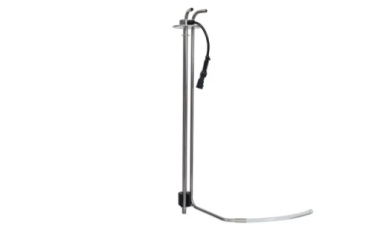
In today’s industrial and commercial environments, the ability to measure and monitor liquid levels accurately is crucial for ensuring safety, efficiency, and proper system functionality. One of the most reliable technologies for level sensing is capacitive level sensing, and more specifically, the TN level sensor. These sensors are widely used in various industries such as water treatment, chemical processing, and food production, among others.
At Bluefin Sensor Technologies Limited, we specialize in providing top-notch level sensing solutions that help optimize your processes and prevent costly downtime. Understanding how TN level sensors work and why they are effective in so many applications can significantly improve the decision-making process when selecting the right sensor for your needs.
In this comprehensive guide, we will dive deep into how TN level sensors operate, their applications, benefits, and the different considerations to take into account when using them in your operations.
What Are TN Level Sensors?
A TN level sensor is a type of capacitive level sensor that uses the principle of capacitance to measure the level of liquids or solids in a container or tank. Capacitive sensors work by measuring the change in capacitance as the sensor comes into contact with the material. This change indicates the level of the material, making it a reliable way to monitor and control inventory, liquid levels, and material processing.
These sensors are often used for non-invasive level measurement, which means they can detect the level without physically touching the liquid or material. This makes them highly suitable for environments where contact with the substance is either impractical or undesirable. The TN sensor is commonly used for applications where precision, durability, and reliability are key.
How Capacitive Level Sensors Work
Capacitive level sensors, including TN level sensors, measure the dielectric constant of the material inside a tank or container. The dielectric constant refers to a material’s ability to store electrical energy when exposed to an electric field. As the material level changes, the dielectric constant of the space between the sensor and the material changes, which is then detected by the sensor.
Basic Working Principle of TN Level Sensors:
1. Capacitance Measurement: The sensor consists of two conductive plates (electrodes) separated by an insulating material. As the material (liquid or solid) level rises or falls, the dielectric constant between the plates changes. This change in capacitance is directly proportional to the material level.
2. Signal Processing: The sensor’s internal electronics convert the change in capacitance into a corresponding output signal (such as 4-20 mA or a digital output). This output signal can then be interpreted by a control system or monitoring device to determine the precise material level.
3. Calibration: TN level sensors are calibrated to ensure they provide accurate measurements over time. Calibration involves setting the sensor to recognize the desired material’s dielectric constant and output corresponding levels.
Advantages of TN Level Sensors
At Bluefin Sensor Technologies Limited, we have worked with various industries that have benefited greatly from the use of TN level sensors. Their ability to provide accurate and reliable level measurement is one of the primary reasons they are used in so many applications. Here are some key advantages of TN level sensors:
1. High Precision and Accuracy
Because TN level sensors detect changes in capacitance, they offer highly accurate readings of material levels. This precision is essential for operations that require constant monitoring and control of liquid or solid levels.
2. Non-Invasive Measurement
Unlike other types of level sensors that require physical contact with the material, TN sensors can measure levels without touching the substance. This is ideal for applications where contamination, hygiene, or material preservation is important.
3. Durability and Reliability
TN level sensors are designed to be durable and reliable, even in harsh conditions. They can withstand exposure to extreme temperatures, high pressures, and various chemicals, making them ideal for challenging industrial environments.
4. Minimal Maintenance
Since TN level sensors are non-contact, they are less prone to wear and tear compared to mechanical sensors. This results in lower maintenance requirements and longer service life, reducing downtime and repair costs.
5. Wide Range of Applications
Capacitive level sensors are versatile and can be used for a wide range of materials, from water and chemicals to powders and solids. Their adaptability makes them an excellent choice for diverse industries, including agriculture, automotive, food processing, and more.
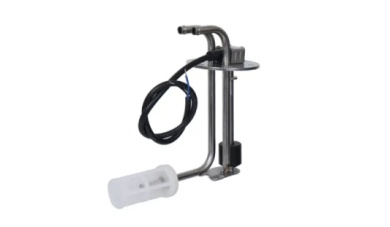
Applications of TN Level Sensors
TN level sensors are used in a variety of industries due to their flexibility and accuracy. Below are some common applications:
1. Water Treatment and Wastewater Management
In water treatment plants, TN level sensors are used to monitor the levels of water and chemicals in tanks and reservoirs. Their ability to measure various liquids with high precision helps optimize chemical dosing, ensuring the right water treatment processes are carried out.
2. Chemical Processing
Chemical plants rely on precise level measurement to ensure that chemicals are stored and transported safely. TN level sensors are used to monitor liquid and slurry levels in tanks, preventing overflows and ensuring safe operations.
3. Food and Beverage Production
In food processing, hygiene and accuracy are paramount. TN level sensors are used to measure liquid ingredients, ensuring that the production process is efficient and safe while complying with health and safety regulations.
4. Agriculture
In agriculture, TN sensors are used to monitor fertilizers, water tanks, and chemical storage. With these sensors, farmers can optimize irrigation and fertilization, ensuring better crop yields.
5. Oil and Gas
Oil and gas industries use TN sensors to monitor tank levels and ensure safe transport and storage of crude oil, chemicals, and gases. The sensors’ durability and non-contact nature make them ideal for this environment.
Industry | Application | How TN Level Sensors Help | Key Benefits |
Water Treatment and Wastewater Management | Monitor water and chemical levels in tanks and reservoirs | Ensure precise chemical dosing for optimal treatment processes | Improves process efficiency, ensures safe and accurate chemical levels |
Chemical Processing | Monitor liquid and slurry levels in tanks | Prevent overflows, ensure safe chemical storage and transport | Reduces risk of accidents, increases operational safety |
Food and Beverage Production | Measure liquid ingredients in production processes | Ensure precise measurement of ingredients and adherence to health regulations | Enhances quality control and regulatory compliance |
Agriculture | Monitor water tanks, fertilizers, and chemical storage | Optimize irrigation and fertilization for better crop yields | Increases efficiency in resource management and crop productivity |
Oil and Gas | Monitor tank levels for crude oil, chemicals, and gases | Safely track material levels in tanks, reducing risks of overflows and leaks | Increases operational safety, reduces environmental impact |
Key Considerations When Choosing a TN Level Sensor
Selecting the right TN level sensor for your application requires a careful evaluation of several factors:
1. Material Properties
Different materials have different dielectric constants, so it’s essential to choose a sensor that is calibrated for the specific material being measured.
2. Environment Conditions
Consider the temperature, pressure, and potential exposure to chemicals when selecting a sensor. TN level sensors are designed for use in harsh environments, but ensuring compatibility with your specific conditions is key.
3. Output Signal Type
TN level sensors typically provide an analog or digital output. It’s important to select the right output type that is compatible with your monitoring or control system.
4. Installation Requirements
Ensure that the sensor you choose fits the physical space and can be easily installed within your system. Some TN sensors are designed for specific tank types, such as cylindrical or flat tanks.
Final Thoughts
Understanding how TN level sensors work and their advantages is crucial for industries looking to improve their material monitoring processes. From our experience, the use of capacitive level sensors, such as TN sensors, significantly improves operational efficiency, reduces downtime, and ensures the safety and accuracy of material management.
At Bluefin Sensor Technologies Limited, we specialize in providing high-quality, reliable TN level sensors that meet the demanding requirements of various industries. Whether you need a sensor for water treatment, food processing, or chemical management, we offer products that are designed to deliver long-lasting, accurate performance.
If you’re ready to explore the benefits of TN level sensors or need expert advice on selecting the right sensor for your application, feel free to reach out to us. Our team is here to help you choose the best solution for your specific needs.
FAQ
1. How do TN level sensors work?
TN level sensors work by detecting changes in capacitance between two conductive plates when the level of material changes. These changes in capacitance are then converted into a corresponding output signal that indicates the material level.
2. What materials can TN level sensors measure?
TN level sensors can be used to measure a wide range of materials, including liquids, powders, slurries, and granular substances. The sensor’s adaptability makes it ideal for various industries, from water treatment to food processing.
3. Are TN level sensors suitable for harsh environments?
Yes, TN level sensors are designed to operate in harsh conditions, including extreme temperatures, high pressure, and exposure to chemicals. Their robust construction ensures reliable performance in challenging environments.
4. What are the benefits of using TN level sensors?
The main benefits include high accuracy, non-contact measurement, durability, minimal maintenance, and versatility. These sensors provide reliable material level monitoring with a longer service life and reduced operational costs.


