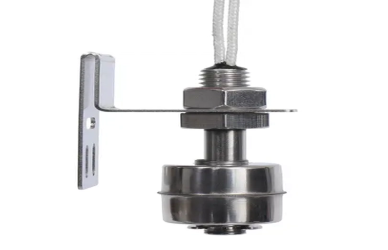
The fuel level sensor plays a crucial role in monitoring the amount of fuel in your vehicle's tank. By sending accurate data to the fuel gauge, it allows the driver to keep track of fuel levels, preventing unexpected fuel shortages and ensuring efficient driving. However, like any other component in a vehicle, the fuel level sensor can malfunction or display inaccurate readings due to various factors. When this happens, it can lead to confusion, unnecessary refueling, or even running out of fuel unexpectedly. This article aims to guide readers on how to reset a malfunctioning or inaccurate fuel level sensor, offering simple solutions and troubleshooting steps to restore its proper function.
Why Resetting a Fuel Level Sensor May Be Necessary
A malfunctioning fuel level sensor can cause significant issues, leading to incorrect fuel readings and potentially leaving drivers stranded with an inaccurate gauge. Resetting the sensor may be necessary in several cases, and here are some common causes and situations where a reset might help:
1.Common Causes of a Malfunctioning Sensor
Electrical Issues:
Fuel level sensors rely on electrical connections to transmit data. If there are problems like frayed wires, loose connections, or a blown fuse, the sensor may send incorrect signals, leading to fluctuating or inaccurate fuel readings.
Calibration Errors:
Over time, sensors may lose their calibration due to factors like wear and tear, voltage fluctuations, or electrical interference. Inaccurate calibration can cause the fuel gauge to display wrong fuel levels, even though the tank may be full or nearly empty.
Faulty Sensor Components:
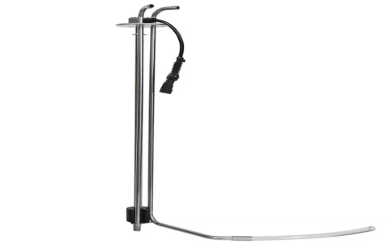
Physical damage to the sensor’s internal components, such as the float or resistive strip, can result in erratic behavior. Corrosion or dirt buildup can also affect how the sensor reads the fuel level, requiring a reset to clear errors and restore accurate readings.
Software Glitches:
In some modern vehicles, the fuel level sensor data is processed by the vehicle’s computer system. A software glitch or data error in the system can lead to inaccurate fuel readings, which can sometimes be resolved by a reset.
2.When Resetting Might Help
Inaccurate Fuel Readings:
If the fuel gauge displays inconsistent readings (e.g., showing "full" when it's empty or fluctuating between full and empty), resetting the sensor can often correct this issue by clearing any errors in the system.
Persistent Fuel Warning Light:
If the fuel warning light stays on, even when the tank isn’t low, a reset may help clear erroneous data stored in the system, allowing the light to function properly again.
Fluctuating or Jumping Fuel Gauge:
If the fuel gauge behaves erratically, resetting the sensor might fix the issue by recalibrating the sensor or clearing any electrical interference.
In these cases, resetting the sensor can provide a quick and effective solution to fix inaccurate readings or prevent further disruptions. However, if the issue persists, it might indicate a more serious problem that requires professional attention or sensor replacement.
Methods to Reset the Fuel Level Sensor
Here are three methods to reset a malfunctioning fuel level sensor:
Method 1: Disconnecting the Battery
Steps:
Turn off the vehicle and remove the key.
Locate and disconnect the negative terminal of the battery.
Wait for 10-15 minutes to allow the system to reset.
Reconnect the terminal and tighten it.
Start the vehicle and check the fuel gauge.
Why It Helps:
Disconnecting the battery resets the vehicle’s electronics, clearing any temporary glitches in the fuel sensor system.
Method 2: Using an OBD-II Scanner
Steps:
Connect the OBD-II scanner to the vehicle’s diagnostic port.
Turn on the ignition and scan for error codes.
Look for codes related to the fuel level sensor (e.g., P0463).
Clear the error codes with the scanner.
Check if the fuel gauge is functioning properly.
Why It Helps:
An OBD-II scanner clears error codes and resets the vehicle’s computer, which can resolve sensor malfunctions caused by glitches or calibration issues.
Method 3: Re-calibrating the Sensor Manually
Steps:
Turn on the vehicle’s ignition (engine off).
Access the fuel sensor settings on the dashboard or infotainment system.
Look for an option to recalibrate the sensor.
Follow on-screen prompts to complete the calibration.
Test the fuel gauge after recalibration.
Tips:
Ensure the fuel tank is at a known level (e.g., half-full).
Refer to your vehicle’s manual if calibration options aren’t available.
Why It Helps:
Manual recalibration corrects inaccuracies in the sensor’s readings, syncing it with the actual fuel level.
When to Seek Professional Help
While resetting the fuel level sensor can resolve many common issues, there are times when professional help is necessary. If the following situations occur, it's best to consult a technician:
1. When Resetting the Sensor Doesn’t Work
If the sensor continues to show inaccurate readings or malfunction after attempting methods like disconnecting the battery or using an OBD-II scanner, the issue may be more serious. In such cases, a technician may need to recalibrate or replace the sensor entirely. Persistent problems indicate that the sensor may be physically damaged or the vehicle’s onboard computer is not processing the data correctly.
2. Internal Damage to the Sensor
Fuel level sensors can wear out over time, especially if the vehicle has high mileage. The float mechanism or internal components (like resistive strips or capacitive elements) may be damaged. If internal damage is suspected, the sensor may need to be replaced, as cleaning or resetting will not fix physical wear or broken parts.
3. Corrosion or Contamination
Exposure to fuel vapors, dirt, or moisture can cause corrosion of the sensor’s components, affecting its performance. If corrosion or contamination is severe, a technician may need to inspect and replace the sensor. Cleaning it might not resolve the underlying issues, especially in older vehicles.
4. Wiring or Electrical Issues
If faulty wiring or electrical connections are suspected, especially if the fuel sensor is not receiving proper power or communication with the ECU, a technician can identify the exact issue. In some cases, damaged or corroded wires may require repair or replacement to restore proper function.
5. Persistent Fault Codes
If error codes related to the fuel level sensor remain even after resetting, it indicates that there is a deeper issue that needs professional attention. Persistent codes often point to sensor malfunctions that cannot be resolved through simple resets and may require recalibration or sensor replacement.
6.Why a Technician May Need to Help
A trained technician has the tools and expertise to accurately diagnose complex issues, such as electrical faults, sensor miscalibration, or internal damage. They can ensure the problem is properly addressed, and the sensor is correctly replaced or recalibrated, ensuring accurate fuel level readings for your vehicle.
Preventive Measures to Avoid Sensor Issues
Taking preventive steps can help maintain the fuel level sensor and avoid frequent resets or malfunctions:
1. Regular Maintenance Practices
Inspect the Sensor: Have the fuel level sensor and wiring checked during routine maintenance for wear or corrosion.
Replace Fuel Filters: Clogged filters can introduce debris into the tank, affecting sensor performance.
Monitor Electrical Connections: Ensure all wiring is secure and free from corrosion.
Update Vehicle Software: Keep the ECU and sensor-related software up to date.
2. Protecting the Fuel Sensor
Use High-Quality Fuel: Avoid contaminated or low-quality fuel to reduce the risk of impurities damaging the sensor.
Keep the Tank Clean: Regularly inspect and clean the fuel tank to prevent debris buildup that could damage the sensor.
Avoid Running Low on Fuel: Keeping at least a quarter tank helps prevent sediment buildup that could harm the sensor.
Avoid Overfilling: Stop fueling when the pump clicks off to prevent spills and sensor damage.
3. Preventing Corrosion
Check for Leaks: Regularly inspect for fuel leaks around the tank or sensor.
Seal the Tank Properly: Ensure the fuel tank cap and seals are intact to prevent moisture buildup that can corrode the sensor.
FAQ
1.Can I reset the fuel level sensor without tools?
Yes, by disconnecting the battery for a few minutes, you can sometimes reset the sensor.
2.What if resetting the sensor doesn’t work?
If the reset doesn’t fix the issue, the sensor may be faulty and might need recalibration or replacement.
3.Do I need a professional to reset my fuel level sensor?
Generally, a reset can be done without professional help, but complex issues may require a technician to resolve.
4.How often should I check or reset my fuel level sensor?
It's a good idea to check the sensor if you notice fluctuating readings or malfunctioning fuel gauges. Regular maintenance helps prevent issues.
Conclusion
Resetting the fuel level sensor when necessary is essential for maintaining accurate fuel readings and ensuring the smooth operation of your vehicle. A malfunctioning sensor can lead to incorrect fuel levels, potentially leaving you stranded or causing unnecessary fuel stops. Regularly resetting the sensor can help fix minor glitches and calibration issues, but it’s equally important to perform regular checks and maintenance to prevent long-term sensor malfunctions. Keeping the sensor clean, ensuring secure electrical connections, and using high-quality fuel are all key practices in prolonging the life of the sensor and preventing frequent resets. By staying proactive with maintenance, you can avoid costly repairs and keep your vehicle running efficiently.


