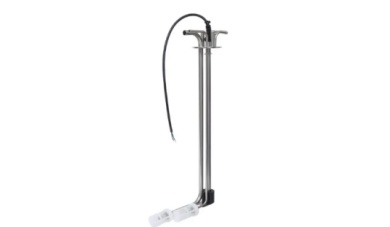
TN level sensors are crucial components in a wide range of industrial processes, helping businesses monitor and maintain the proper levels of liquids, powders, and other materials. These sensors provide vital data that supports smooth operations and reduces the risk of downtime due to overflows, shortages, or mismanagement of resources. However, like any piece of equipment, TN level sensors can experience issues from time to time. As manufacturers and operators, understanding common problems and learning how to address them without calling in a technician can save time, reduce costs, and keep operations running efficiently.
At Bluefin Sensor Technologies Limited, we understand the importance of keeping your level sensors in top working condition. In this article, we’ll walk you through some of the most common TN level sensor issues and provide practical, easy-to-follow solutions that don’t require professional help. Whether you’re dealing with inconsistent readings, false alarms, or sensor failures, you can tackle many of these problems yourself with the right knowledge and tools.
1 Problem: Inaccurate Readings or Fluctuating Measurements
Inaccurate readings from your TN level sensor can lead to serious consequences, including overflows, empty tanks, and mismanagement of critical materials. If you notice that your sensor is providing inconsistent or fluctuating readings, the first step is to rule out common issues that might be affecting its accuracy.
Solution: Calibration and Cleaning
· Calibrate the Sensor: One of the primary reasons for inaccurate readings is a lack of proper calibration. Over time, sensors may drift from their initial settings. Most TN level sensors allow for easy calibration, either through a manual process or via a connected interface. Consult the user manual for specific calibration steps.
· Clean the Sensor: Dust, dirt, and debris can accumulate on the sensor’s surface and interfere with its operation. This is especially true in industrial environments where there is heavy exposure to particles and other contaminants. Clean the sensor gently with a soft cloth and non-abrasive cleaning solution to ensure optimal performance.
Issue | Potential Causes | Solution |
Inaccurate readings | Calibration drift, debris accumulation | Recalibrate and clean the sensor |
Fluctuating measurements | Dirty surface, electrical interference | Regular cleaning and recalibration |
2 Problem: Sensor Fails to Activate or Respond
Another frustrating issue is when your TN level sensor fails to activate or respond to changes in material levels. This can lead to situations where the sensor is not detecting important changes, resulting in potential safety risks.
Solution: Inspect Wiring and Connections
· Check Power Supply: The first thing to do is verify that the sensor is receiving power. Ensure that the power supply to the sensor is properly connected and that there is no issue with the wiring. Loose or damaged connections can disrupt communication between the sensor and the control system.
· Examine the Wiring: Inspect the sensor wiring for any visible signs of wear, corrosion, or damage. Faulty wires or connectors can cause the sensor to fail. If you find any issues, replace the damaged components or reconnect them properly.
Issue | Potential Causes | Solution |
Sensor not responding | Power supply failure, damaged wiring | Check power connections, inspect wiring |
No activation despite conditions | Loose wiring, damaged components | Tighten connections, replace damaged wires |
3 Problem: False Alarms or Continuous Activation
False alarms or continuous activation of your TN level sensor can cause significant operational disruptions, leading to unnecessary downtime, resource wastage, and reduced efficiency. This issue typically arises from factors like environmental interference, sensor malfunctions, or calibration errors. False triggers could lead to your system being considered unreliable, affecting safety protocols and maintenance schedules.
Solution: Eliminate External Interference and Inspect the System
Check for Environmental Interference: Electrical noise or electromagnetic interference (EMI) from nearby equipment can disrupt the performance of your sensor. Devices like motors, pumps, or other electronic machinery can emit EMI that interferes with the TN sensor’s operation. To mitigate this issue, ensure that the sensor is installed in an area with minimal exposure to electromagnetic interference. If possible, install shielding around the sensor or relocate it to a more interference-free zone.
Inspect Sensor Housing for Damage: External factors, such as extreme temperature fluctuations or physical impacts, can damage the sensor housing and lead to erratic performance. Regularly inspect the housing to ensure it remains intact and properly sealed. A damaged sensor housing can allow contaminants or moisture to enter, which may cause malfunctioning or false alarms. Maintaining an airtight, water-resistant housing is crucial for ensuring the sensor operates correctly under varying environmental conditions.
· Check for Environmental Interference: Electrical noise or electromagnetic interference can affect the sensor’s performance. Ensure the sensor is installed in a location free from excessive interference from other equipment.
· Inspect Sensor Housing for Damage: External factors such as temperature changes or physical damage to the sensor can cause malfunctioning. Inspect the housing and ensure that it’s intact and properly sealed to avoid external factors influencing the sensor’s behavior.
Issue | Potential Causes | Solution |
False alarms or activation | Electrical interference, damaged housing | Check for external factors and inspect the housing |
Constant activation | Calibration drift, malfunctioning sensor | Recalibrate and replace the sensor if needed |
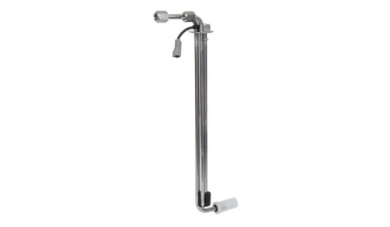
4 Problem: Erratic Sensor Behavior in Harsh Environments
When TN level sensors are deployed in harsh environments, such as locations with extreme temperatures, high humidity, or exposure to corrosive substances, erratic behavior or total failure may occur. These harsh conditions can negatively impact the sensor’s accuracy, resulting in faulty readings or the failure to trigger at the right time.
Solution: Ensure Proper Installation and Protection
Install in a Protected Location: To safeguard the TN level sensor from harsh environmental elements, consider installing it inside a protective casing. This casing can shield the sensor from physical damage, extreme temperature fluctuations, and moisture. A well-chosen enclosure will preserve the sensor’s functionality and lifespan by minimizing exposure to environmental stressors.
Use Corrosion-Resistant Components: The materials used in the sensor and its components are vital for its performance in harsh environments. For example, ensure that wiring, connectors, and other parts exposed to chemicals, water, or moisture are made from corrosion-resistant materials such as stainless steel, PTFE, or other specialized alloys. This helps prevent wear and tear, which could lead to sensor degradation or failure in critical applications.
· Install in a Protected Location: In extreme environments, consider installing the sensor inside a protective casing that can shield it from physical damage and environmental stress.
· Use Corrosion-Resistant Components: Ensure that all parts of the sensor, including wiring and connectors, are made from materials resistant to corrosion or damage in harsh conditions.
Issue | Potential Causes | Solution |
Erratic sensor behavior | Extreme temperatures, humidity, corrosion | Install protective housing, use corrosion-resistant parts |
Sensor failure in extreme environments | Harsh environmental exposure | Ensure proper casing and material choices |
5 Problem: Power Surges or Electrical Issues
Electrical issues, including power surges, can lead to sensor failures or erratic behavior. Sudden power fluctuations can burn out sensitive components of the sensor.
Solution: Install Surge Protection and Ensure Proper Grounding
· Use Surge Protectors: Install surge protection devices to prevent power spikes from damaging the sensor. These devices help protect sensitive equipment from voltage surges, especially during storms.
· Verify Grounding: Ensure that the sensor and its power supply are properly grounded. Poor grounding can lead to unstable sensor behavior and long-term damage.
Issue | Potential Causes | Solution |
Power surges or electrical issues | Voltage spikes, poor grounding | Install surge protection, verify grounding |
Conclusion
Maintaining the reliability and accuracy of your TN level sensors is essential to the efficiency of your operations. By understanding common issues like inaccurate readings, false alarms, or sensor failures, and applying the solutions outlined above, you can address many problems without the need for professional assistance. Regular maintenance, proper installation, and environmental protection are key to ensuring long-term functionality and minimizing downtime.
At Bluefin Sensor Technologies Limited, we understand the importance of high-quality level sensors in industrial operations. Our TN level sensors are designed for accuracy, durability, and ease of use, helping you avoid costly downtime and maximize your system’s performance. If you need more information or assistance in selecting the right sensor for your needs, don’t hesitate to contact us.
FAQ
Why is my TN level sensor giving fluctuating readings?
Fluctuating readings may be caused by calibration issues or debris on the sensor’s surface. Clean the sensor and recalibrate it for more accurate readings.
How do I check if my TN level sensor is receiving power?
Verify that the power supply is connected and functioning. Check for any damaged wiring or loose connections that might disrupt the power supply.
What should I do if my TN level sensor keeps triggering false alarms?
Inspect the sensor for any external interference, blockages, or environmental factors that could affect its performance. Clean the sensor and check for any physical damage.
Can environmental conditions affect the performance of TN level sensors?
Yes, harsh environments with extreme heat, moisture, or corrosive materials can affect sensor performance. Ensure proper installation and protection to prevent damage.


