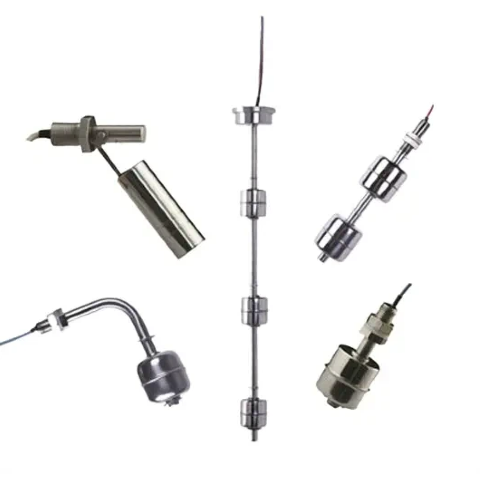
Many fluid-related failures are not as sudden as they seem. A tank level starts dropping faster than usual, refill timing becomes irregular, or a machine begins operating under unstable liquid conditions, yet these warning signs are often missed until downtime finally happens. That is why Smart Level Sensors are becoming more important in predictive maintenance. They do much more than show how much liquid remains in a tank. They help operators recognize abnormal usage, detect leaks or refill issues earlier, and reduce the risk of costly interruptions. For businesses that depend on reliable liquid monitoring, Bluefin Sensor Technologies Limited provides practical sensing solutions that support stronger maintenance planning, better condition monitoring, and more stable system performance.
What Predictive Maintenance Means in Liquid-Dependent Systems
Moving from reactive fixes to early warning
Traditional maintenance often begins only after something goes wrong. A machine stops unexpectedly, a pump runs dry, or a fluid-handling system loses stability. At that point, maintenance becomes reactive. The team is no longer preventing trouble but trying to recover from it as quickly as possible.
Predictive maintenance follows a different logic. Instead of waiting for failure, it uses continuous condition monitoring to identify early signs of trouble. In liquid-dependent systems, fluid level is one of the most useful operating signals because it directly affects performance, continuity, and equipment safety. When level behavior changes in an unusual way, it often means something else in the system is changing as well.
This is why early warning matters so much. It gives operators time to respond while the issue is still manageable. A small problem that is noticed early can often be corrected with minimal cost and disruption. The same problem, if discovered too late, may lead to downtime, emergency service, or secondary component damage.
Why level data is more useful than it first appears
At first, level data may seem simple. It tells users whether a tank is high, low, full, or close to empty. But in real operating conditions, level behavior often reveals much more. A tank that empties faster than normal may indicate abnormal consumption. A refill cycle that becomes inconsistent may point to supply problems. A gradual unexplained drop may suggest leakage or hidden loss somewhere in the system.
That is why IoT-enabled sensors are so valuable in predictive maintenance. They allow operators to move beyond isolated readings and begin looking at patterns over time. Those patterns help maintenance teams understand not only what the current level is, but also whether the system is behaving normally.
For many businesses, this is the difference between guessing and knowing. Better visibility leads to earlier action, and earlier action usually leads to lower cost and better reliability.
Benefit 1 — Earlier Detection of Abnormal Fluid Behavior
Spotting unusual consumption before it becomes a bigger issue
Abnormal liquid use is often one of the first signs that a system is not working as expected. A machine that normally consumes fluid at a steady rate may suddenly begin using more than usual. In other cases, consumption may become unstable from one cycle to the next. These changes can be difficult to notice when teams rely only on manual inspection or occasional checks.
Smart level sensors make these changes easier to identify because they provide more continuous visibility. Operators can compare actual level behavior with normal operating patterns and notice small differences earlier. This creates an opportunity to inspect the system before the issue turns into a more serious maintenance problem.
That early detection is valuable because many failures begin as small irregularities. When abnormal usage is seen in time, the business has a better chance to solve the issue without major disruption.
Identifying leaks, loss, or supply instability faster
Not all fluid-related problems begin with a component failure. Sometimes the real cause is a small leak, unstable refill performance, or an inconsistent supply process. These conditions may not stop the system immediately, but they weaken stability and often grow worse over time.
Smart level monitoring helps reveal these situations faster. If a tank level drops without the expected operating reason, that can be a sign of leakage or unexpected loss. If refill patterns become irregular, that may suggest supply instability or process inconsistency. By seeing these changes earlier, maintenance teams can investigate and correct the issue before it becomes more expensive to manage.
Benefit 2 — Less Unplanned Downtime
Avoiding empty-tank interruptions and dry-run damage
Unplanned downtime is one of the most costly maintenance problems in any liquid-dependent system. A tank that runs too low can interrupt operations immediately. In some cases, pumps or related components may continue running without sufficient liquid support, creating dry-run conditions that increase wear or even cause direct damage.
Smart level sensors help reduce this risk by giving operators clearer visibility into current tank conditions. Instead of discovering the problem only after equipment has already stopped, they can respond when levels approach a critical point. This makes operations more stable and reduces avoidable liquid-related damage.
That benefit is especially important in applications where uptime directly affects productivity, such as generators, automotive systems, water storage, and industrial fluid-handling equipment.
Supporting timely service and refill planning
Downtime is not always caused by sudden failure. It is often caused by poor timing. If operators do not know the actual liquid condition of a system, they may delay refilling, overlook changing usage patterns, or plan service too late.
With continuous monitoring, service and refill planning becomes more organized. Teams can act based on real operating conditions instead of rough assumptions. This makes maintenance more predictable, reduces last-minute disruptions, and supports a smoother daily workflow.
In practice, better planning means fewer emergency decisions and more control over operations.
Benefit 3 — Lower Maintenance Costs Over Time
Reducing emergency repairs and manual checks
Emergency repairs almost always cost more than planned maintenance. They often involve urgent labor, interrupted production, and a higher chance of secondary damage. In many cases, the warning signs were already present, but they were not seen in time.
Smart level sensors help reduce these costs by making warning signs easier to detect early. They also reduce the need for frequent manual tank inspection. Instead of sending staff to check fluid conditions on a fixed routine, businesses can monitor systems more intelligently and respond when actual risk appears.
Over time, that lowers labor demand, reduces unnecessary site visits, and limits the cost of reactive maintenance.
Using service teams more efficiently
Maintenance teams work best when they can focus on real problems instead of routine guesswork. Smart monitoring helps them do that. When level data shows which systems are changing abnormally, teams can prioritize the areas that actually need attention.
This improves service efficiency and helps technical staff use their time more productively. Rather than spending effort on systems that are running normally, they can focus on warning signs that matter. For businesses balancing cost control with reliability, this is a major practical benefit.
Benefit 4 — Longer Equipment and Component Life
Protecting pumps, engines, and fluid-handling systems
Fluid-related problems do not only cause sudden failure. They also create gradual wear. Repeated low-level operation, unstable liquid supply, and dry-run events all increase stress on pumps, engines, and fluid-handling components. Even when equipment continues running, its service life may be shortened.
Smart level sensors help reduce this kind of wear by improving liquid visibility and response timing. When users can correct low-level conditions earlier, the system stays closer to its intended operating range. That helps protect key components and supports better long-term performance.
Keeping operating conditions more stable
Stable liquid conditions are easier on equipment. Fewer shortages, fewer refill irregularities, and fewer fluid-related disturbances all contribute to smoother operation. Over time, that consistency reduces repeated strain and supports better equipment health.
This shows that predictive maintenance is not only about preventing major failure. It also helps improve long-term operating quality by reducing the small stresses that slowly damage equipment.
Benefit 5 — Better Data for Operational Decisions
Turning maintenance records into improvement insights
Historical level data becomes more useful over time. When maintenance teams can review how fluid levels behaved before previous service events, they begin to see patterns that support better future decisions. A repeated refill delay, a recurring usage change, or a familiar drop pattern may all become easier to recognize.
This kind of insight turns maintenance records into something more valuable than simple history. It helps businesses improve diagnosis, refine service timing, and make future maintenance more accurate.
Building a stronger foundation for connected operations
As more systems become connected, accurate sensor data becomes more important across the whole operation. Smart level sensors support this shift because they provide information that can work with gauges, alarms, controllers, and wider condition monitoring systems.
Bluefin Sensor’s solutions are especially relevant in this context because the company not only provides level sensors and float switches, but also supports integration with gauges, alarms, and controllers for practical liquid monitoring applications. That makes it easier for customers to build monitoring systems that are useful in real working environments.
Five Predictive Maintenance Benefits at a Glance
Benefit | What the Sensor Helps Detect | Operational Impact | Business Value |
Earlier abnormal behavior detection | Unusual usage and pattern changes | Faster response | Lower failure risk |
Less unplanned downtime | Low-level conditions and refill delays | Fewer interruptions | Better uptime |
Lower maintenance costs | Problems before they become emergencies | Less reactive service | Reduced labor and repair cost |
Longer equipment life | Dry-run risk and unstable liquid conditions | Less stress on parts | Better asset life |
Better operational decisions | Historical level trends | Smarter planning | Stronger maintenance control |
This summary makes one point clear: smart sensing is not only about measuring liquid quantity. It is about using liquid-level data to improve maintenance quality, reduce operating risk, and support more reliable performance over time.
Conclusion
Predictive maintenance works best when it is based on real operating data rather than delayed inspection or routine guesswork. Fluid levels often provide some of the earliest warning signs in a liquid-dependent system, and smart monitoring helps businesses act before minor issues become major failures. Bluefin Sensor Technologies Limited offers reliable liquid level solutions that help customers improve condition monitoring, reduce avoidable downtime, and maintain more stable equipment performance. If your business needs better fluid visibility for maintenance planning, contact us to learn how Bluefin Sensor can support your application with intelligent level sensing solutions.
FAQ
1. How do smart level sensors support predictive maintenance?
They help identify abnormal fluid behavior earlier, including unusual consumption, refill issues, leaks, and low-level conditions that may lead to system instability or downtime.
2. Can liquid level data really reveal equipment problems?
Yes. Changes in liquid level patterns often show early signs of hidden loss, supply inconsistency, or operating stress before a larger fault becomes obvious.
3. Why are IoT-enabled sensors better for condition monitoring?
Because they provide continuous visibility and trend tracking, making it easier to compare current conditions with normal system behavior and respond sooner when something changes.
4. Which systems benefit most from predictive maintenance with smart level sensors?
Water tanks, diesel systems, gensets, pumps, automotive fluid systems, and other liquid-dependent equipment all benefit because fluid stability directly affects uptime, reliability, and maintenance cost.


